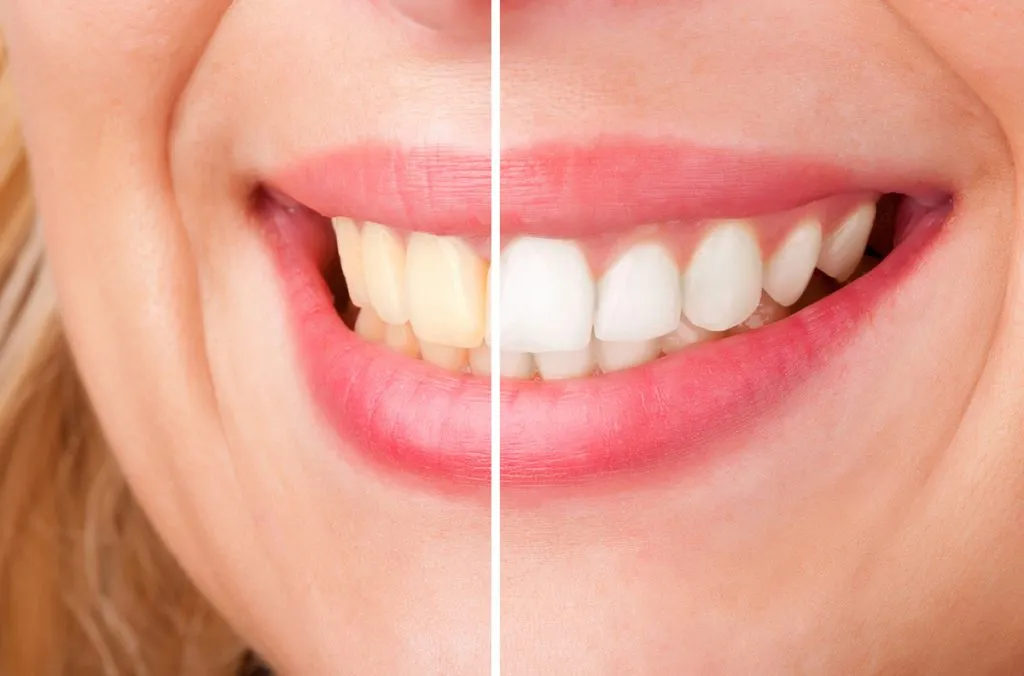
Understanding Cheap Teeth Whitening
A bright, white smile can significantly boost your confidence and overall appearance. However, the cost of professional teeth whitening can be a barrier for many. Fortunately, there are numerous options available for achieving a whiter smile without breaking the bank. This guide explores various affordable teeth whitening methods, from over-the-counter products to cost-effective professional procedures. Understanding the different choices and their effectiveness will help you make informed decisions and find the best solution for your budget and needs. Remember that while cheaper options exist, always prioritize your oral health and consult with a dentist to ensure safety and suitability for your specific dental condition. Cheap teeth whitening doesn’t have to mean sacrificing quality or risking damage to your teeth; it’s about finding the right approach that works for you.
Types of Cheap Teeth Whitening Options
The journey to a brighter smile can start with various approaches, each with its own cost and effectiveness. Affordable teeth whitening typically falls into two main categories: over-the-counter products and professional treatments. Over-the-counter options are readily available at drugstores and supermarkets and include whitening toothpastes, strips, and gels. These are generally the most budget-friendly options, offering a convenient way to gradually lighten your teeth. On the other hand, professional teeth whitening, while often more expensive, offers faster and more dramatic results. Within the professional category, options like in-office whitening and at-home whitening kits provided by dentists offer varying levels of cost and convenience. The best choice depends on your budget, the degree of whitening desired, and any specific dental health considerations. It’s important to consider factors such as the severity of staining, the sensitivity of your teeth, and your commitment to the whitening process when making your decision.
Over-the-Counter Whitening Products

Over-the-counter (OTC) teeth whitening products are a popular choice for those seeking affordable options. Whitening toothpastes are a simple addition to your daily routine. They contain mild abrasives and chemicals that help remove surface stains. While they can’t change the natural color of your teeth, they can effectively remove stains caused by coffee, tea, and other foods. Whitening strips and gels are another widely used method. These products typically contain a peroxide-based bleaching agent that penetrates the enamel to lighten the teeth. They are relatively easy to use at home, following the instructions on the packaging. However, results may vary depending on the product’s strength and how consistently it is used. The primary advantage of OTC products is their accessibility and lower cost. However, they may not be as effective as professional treatments for deep or stubborn stains. It’s crucial to follow the product’s instructions carefully and be aware of potential side effects like tooth sensitivity.
Whitening Toothpastes
Whitening toothpastes are a convenient and cost-effective way to maintain a brighter smile. They work by using mild abrasives to scrub away surface stains and can improve the overall appearance of your teeth. These toothpastes often contain ingredients like silica or hydrated silica, which help polish the teeth and remove stains caused by everyday foods and drinks. Some whitening toothpastes also contain low concentrations of hydrogen peroxide or other bleaching agents to provide a slightly more significant whitening effect. It is important to note that the results from whitening toothpastes are typically gradual, and they may not be as dramatic as those achieved through professional whitening treatments. However, they can be an excellent option for maintaining the results of professional whitening or for individuals with mild staining. Always remember to brush your teeth thoroughly twice a day, and consider using a soft-bristled toothbrush to avoid excessive abrasion, which could potentially damage the enamel over time.
Whitening Strips and Gels
Whitening strips and gels are another popular choice for affordable teeth whitening. These products generally contain a peroxide-based bleaching agent, such as hydrogen peroxide or carbamide peroxide, which is the active ingredient that whitens teeth. The strips are applied directly to the teeth, adhering to the surface and delivering the bleaching agent. Gels are often applied using a tray or brush. The effectiveness of these products can vary depending on the concentration of the bleaching agent and the duration of use. Whitening strips and gels can be very effective at removing stains and lightening teeth, and they often provide noticeable results within a few weeks of consistent use. However, they may cause some tooth sensitivity and gum irritation in certain individuals. It is crucial to follow the product’s instructions carefully and to consult with your dentist if you experience any adverse side effects. Always ensure you purchase products from reputable brands and sources to guarantee product safety and effectiveness.
Professional Cheap Teeth Whitening Procedures

While over-the-counter options provide an affordable entry point, professional teeth whitening offers more significant and often faster results. Dentists can provide in-office whitening treatments and at-home whitening kits, both tailored to your specific needs. Professional treatments use stronger bleaching agents than OTC products, delivering quicker and more dramatic results. Although these treatments typically come at a higher cost, they are often a worthwhile investment for those seeking a dramatically brighter smile. Moreover, professional teeth whitening is carried out under the supervision of a dental professional, minimizing the risks of side effects and ensuring the safety of the procedure. Before undergoing any professional whitening treatment, it’s essential to have a consultation with your dentist. They will assess your oral health, discuss your expectations, and help you determine the most suitable treatment option for your teeth. They may also be able to provide tips on how to save on the overall costs.
In-Office Teeth Whitening
In-office teeth whitening is the fastest way to achieve a dramatically whiter smile. This procedure involves a dentist applying a high-concentration bleaching agent to your teeth, often using a special light or laser to enhance the whitening process. The entire procedure typically takes about an hour, and you can see significant results immediately. The professional setting ensures that the procedure is performed safely and effectively, reducing the risk of sensitivity and other potential side effects. The dentist can also address any specific concerns you may have and tailor the treatment to your individual needs. While in-office whitening is more expensive than at-home options, it is a highly effective way to achieve a brighter smile in a single session. The results can last for a considerable time, especially when combined with proper oral hygiene and lifestyle choices. Regular dental check-ups and professional cleanings can also help maintain the results and keep your smile looking its best.
At-Home Teeth Whitening Kits from Dentists
At-home teeth whitening kits provided by dentists offer a balance between affordability and effectiveness. These kits typically include custom-fitted trays and a prescription-strength bleaching gel. The dentist will take impressions of your teeth to create the trays, ensuring a precise fit that minimizes gum irritation and maximizes the whitening effect. The bleaching gel is usually more potent than what is available over the counter, yielding more noticeable results. You will wear the trays for a specific duration each day, as recommended by your dentist, gradually whitening your teeth over a few weeks. While at-home kits take longer to achieve results than in-office whitening, they provide a more cost-effective option for achieving a brighter smile. Your dentist will monitor your progress and offer guidance, ensuring the treatment is safe and effective. This approach is often favored by patients who want a professional-grade treatment but prefer the convenience of whitening their teeth at home.
Tips for Maintaining Your Whitened Smile

Once you’ve achieved your desired level of whiteness, maintaining your bright smile is essential. Several lifestyle choices and dental hygiene practices can help you preserve your results for longer. Regular dental check-ups and cleanings are crucial for removing surface stains and preventing the build-up of plaque and tartar, which can dull your teeth. Additionally, being mindful of your diet and habits can significantly impact the longevity of your whitening treatment. Avoiding stain-causing foods and drinks, such as coffee, tea, red wine, and berries, can help prevent discoloration. Similarly, quitting smoking and practicing good oral hygiene, including brushing and flossing regularly, will ensure the health and brightness of your teeth. By incorporating these habits into your daily routine, you can prolong the effects of your teeth whitening treatment and maintain a radiant smile for years to come. Remember, consistency is critical; by following these guidelines, you can make your investment in teeth whitening worthwhile.
Dietary Changes and Habits
The foods and drinks you consume can significantly affect the brightness of your teeth. Certain substances are notorious for staining teeth, leading to discoloration over time. Coffee, tea, red wine, and dark-colored sodas are high on the list of culprits. Berries, tomato-based sauces, and other deeply pigmented foods can also contribute to staining. To maintain your whitened smile, it’s important to be mindful of your diet and reduce your intake of these stain-causing items. If you do consume these items, rinse your mouth with water immediately afterward to help minimize staining. Using a straw when drinking dark-colored beverages can also help to reduce contact with your teeth. Additionally, incorporating teeth-friendly foods like apples, celery, and carrots into your diet can help to naturally clean your teeth and promote saliva production, which helps wash away stains. By making conscious dietary choices, you can prolong the results of your teeth whitening and keep your smile bright.
Regular Dental Check-ups
Regular dental check-ups and professional cleanings are paramount to preserving your teeth’s whiteness. A dentist can identify and address any underlying issues that might affect the appearance of your teeth, such as cavities or gum disease. During a professional cleaning, the dental hygienist will remove plaque and tartar buildup, which can cause staining and dullness. They can also polish your teeth, further enhancing their brightness. Regular check-ups also provide an opportunity for your dentist to assess your overall oral health and offer personalized advice on maintaining your bright smile. They may recommend touch-up whitening treatments or suggest specific oral hygiene practices based on your needs. Following your dentist’s recommendations and attending regular appointments will help you maintain your desired level of whiteness and ensure optimal oral health. Make sure you schedule a checkup at least twice a year or as recommended by your dentist.
Avoiding Stain-Causing Foods and Drinks
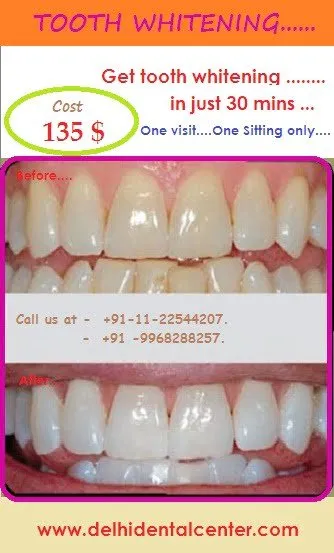
One of the most effective strategies for maintaining a white smile is to minimize your exposure to stain-causing foods and beverages. Many common items can gradually discolor your teeth, undermining your teeth whitening efforts. Coffee and tea, popular beverages worldwide, contain tannins, which can bind to the enamel and cause staining. Red wine, with its deep color and tannins, is another significant culprit. Similarly, dark-colored sodas, such as cola, can contribute to staining. Certain foods, like berries, curry, and tomato-based sauces, also contain pigments that can stain teeth. By reducing your consumption of these items, you can significantly reduce the likelihood of discoloration. If you choose to consume these items, rinsing your mouth with water immediately afterward can help mitigate their staining effects. You can also consider using a straw when drinking dark beverages to limit direct contact with your teeth. By being mindful of your diet, you can proactively protect your bright smile.
Risks and Considerations
While teeth whitening is generally safe, understanding the potential risks and considerations is essential. Sensitivity and discomfort are common side effects, especially with professional treatments. The high concentration of bleaching agents can irritate the tooth’s nerves, leading to temporary sensitivity to hot and cold foods and drinks. Gum irritation can also occur if the whitening agent comes into contact with your gums. In rare cases, excessive whitening can damage the enamel, making your teeth more susceptible to decay. Before undergoing any whitening treatment, it’s crucial to consult your dentist, who can evaluate your oral health and discuss the potential risks and benefits. They can also recommend methods to minimize sensitivity and other side effects. Choosing a qualified dentist and following their instructions carefully is key to ensuring a safe and effective teeth whitening experience. Be sure to inform your dentist of any existing dental work, such as fillings or crowns, as whitening treatments may not affect them, potentially causing uneven results.
Sensitivity and Discomfort
Tooth sensitivity and discomfort are common side effects of teeth whitening, particularly with higher-concentration treatments. The bleaching agents used in whitening products, such as hydrogen peroxide, can penetrate the enamel and irritate the tooth’s nerves. This can lead to temporary sensitivity to hot, cold, or sweet foods and drinks. Some people may also experience gum irritation if the whitening agent comes into contact with their gums. To manage sensitivity, your dentist might recommend using a toothpaste designed for sensitive teeth, which contains ingredients that help to block the tubules in the teeth and reduce nerve stimulation. They may also suggest using a fluoride treatment to strengthen the enamel. If you experience severe discomfort, it’s essential to consult your dentist, who may adjust the treatment or recommend a different approach. While sensitivity is usually temporary, taking precautions and following your dentist’s advice can help minimize discomfort and ensure a more pleasant teeth whitening experience.
Effectiveness and Expectations

The effectiveness of teeth whitening treatments can vary depending on several factors, including the type of treatment, the severity of staining, and the individual’s oral health. Over-the-counter products, such as whitening toothpastes and strips, can gradually lighten teeth and remove surface stains, but the results may be subtle and less dramatic than those achieved with professional treatments. Professional in-office whitening offers the most significant and immediate results, often lightening teeth several shades in a single session. At-home whitening kits provided by dentists provide a balance between effectiveness and convenience, with results typically appearing over a few weeks. It’s important to have realistic expectations about teeth whitening. The process can lighten teeth but may not always achieve perfect whiteness, and the results can vary depending on the natural color of your teeth and the type of staining. Your dentist can provide a realistic assessment of what can be achieved and help you choose the most appropriate treatment based on your needs and expectations. They can also discuss ways to maintain the results and address any concerns you may have.
Finding a Cheap Dentist for Teeth Whitening
Finding an affordable dentist for teeth whitening requires some research and planning. Several factors can influence the cost, including the dentist’s location, the type of treatment offered, and any special promotions. Start by researching local dentists in your area and comparing their prices for teeth whitening services. Check online reviews and testimonials to assess the quality of their services. Many dentists offer discounts or payment plans to make teeth whitening more accessible. Consider contacting dental schools, as they often provide teeth whitening services at reduced rates under the supervision of experienced professionals. Dental insurance may not always cover cosmetic procedures like teeth whitening, but it’s worth checking to see if any portion of the cost can be covered. Inquiring about financing options or payment plans can also make the cost more manageable. Always prioritize the dentist’s qualifications and experience. Focusing on your budget is essential, but ensure that you choose a reputable dentist who can provide safe and effective teeth whitening treatments. Don’t hesitate to ask questions and discuss your budget during your initial consultation to ensure you find the best option for your needs.
In conclusion, achieving a brighter smile doesn’t have to be an expensive undertaking. By exploring affordable teeth whitening options, such as over-the-counter products and cost-effective professional treatments, you can significantly improve your smile without breaking the bank. Remember to prioritize your oral health and consult with a dentist before starting any whitening treatment. They can help you determine the best method for your needs, assess potential risks, and provide guidance on maintaining your results. With the right approach, you can enjoy a confident, radiant smile that you’ll be proud to show off.