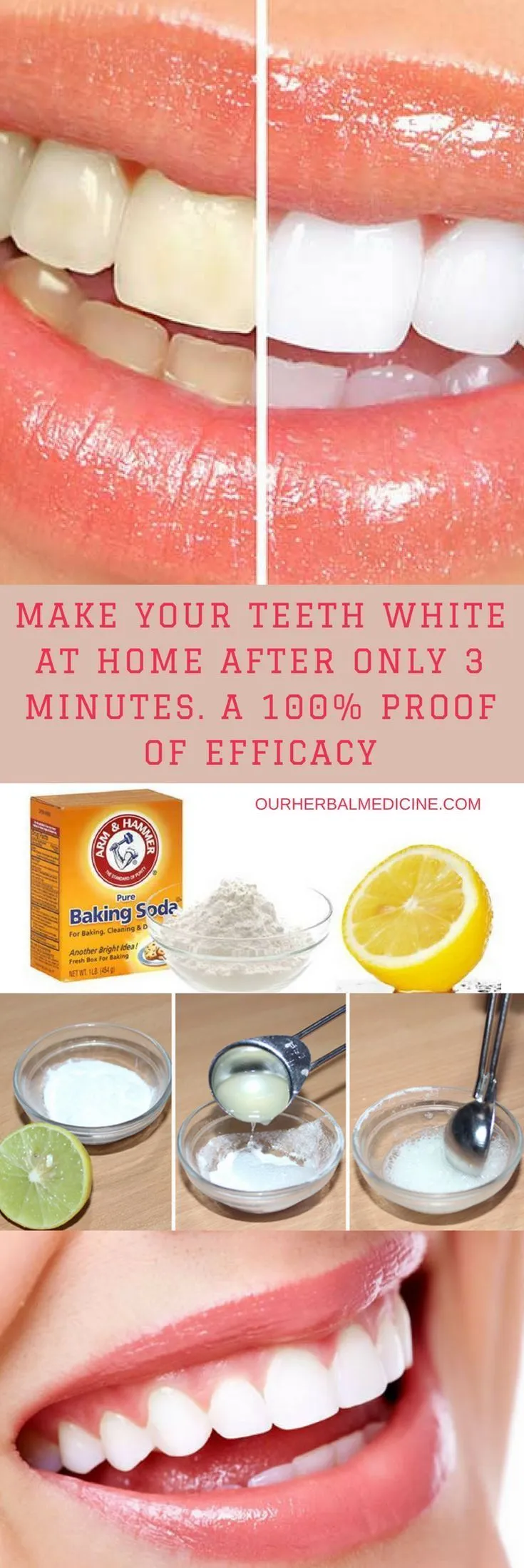
Understanding Teeth Whitening and Pores
Achieving a brighter, whiter smile is a common goal, often pursued through teeth whitening treatments. However, the process can sometimes lead to changes in the appearance of your teeth, including the perception of increased porosity. This guide explores how to effectively manage and minimize the appearance of these changes, ensuring your smile remains healthy and attractive.
How Whitening Affects Your Teeth
Teeth whitening procedures, whether done professionally or at home, involve the use of bleaching agents. These agents, typically hydrogen peroxide or carbamide peroxide, work by penetrating the enamel and dentin of your teeth to break down stain molecules. This process, while effective, can temporarily affect the tooth’s structure, potentially making it appear more porous.
The Role of Enamel and Pores

Tooth enamel, the hard, outer layer of your teeth, is not a solid substance. It has microscopic pores that allow substances to pass through. These pores naturally exist but can become more noticeable after whitening. The whitening process can dehydrate the teeth temporarily, making these pores more visible and increasing the tooth’s sensitivity.
Why Pores Appear After Whitening?
After teeth whitening, the increased visibility of pores is often due to the temporary alteration in the tooth’s hydration and mineral content. The bleaching agents can open up the pores, allowing stains and other substances to penetrate more easily. This is why post-whitening care is crucial for maintaining a bright smile and preventing new staining.
Essential Steps to Close Pores After Whitening
Taking the right steps after teeth whitening is crucial to help your teeth return to their natural state and minimize the appearance of pores. These steps focus on restoring the tooth’s minerals and preventing new staining, thereby contributing to the health and aesthetics of your smile.
Proper Oral Hygiene Routine

Maintaining a consistent and gentle oral hygiene routine is paramount after whitening. This routine not only helps in keeping your teeth clean but also promotes the remineralization process, which helps close the pores.
Gentle Brushing Techniques
Use a soft-bristled toothbrush and brush gently, using small, circular motions. Avoid aggressive brushing, as it can damage the enamel and potentially exacerbate the appearance of pores. Brush for two minutes, twice a day.
Flossing Regularly
Flossing daily is essential to remove plaque and food particles from between your teeth and along the gumline, where your toothbrush cannot reach. This prevents staining and helps in maintaining the overall health of your gums and teeth.
Using Fluoride Toothpaste

Fluoride is a mineral that helps strengthen tooth enamel and promotes remineralization, which can aid in closing pores. Using a fluoride toothpaste helps replenish the minerals lost during whitening and creates a protective barrier against stains. Look for toothpastes that are specifically designed for sensitive teeth after whitening.
Dietary Adjustments for Teeth Health
Your diet plays a significant role in the appearance of your teeth after whitening. Certain foods and drinks can stain your teeth, while others promote oral health and aid in the remineralization process.
Foods to Avoid
After whitening, avoid or limit foods and drinks that are known to stain teeth. These include coffee, tea, red wine, dark-colored sodas, berries, and tomato-based sauces. These items can easily penetrate the pores and cause discoloration.
Foods to Consume

Focus on foods that promote oral health and help remineralize your teeth. Include dairy products like milk, yogurt, and cheese (if you are not lactose intolerant), which are rich in calcium and phosphates. Also, eat crunchy vegetables like celery and carrots, which can help clean your teeth naturally. Drink plenty of water to stay hydrated and help rinse away food particles.
Professional Treatments for Pores
In some cases, you might need professional treatments to help close the pores and maintain the results of your teeth whitening. Consulting with your dentist can help you understand which treatments are best for your specific needs.
Fluoride Treatments
Your dentist may recommend professional fluoride treatments. These treatments provide a concentrated dose of fluoride to strengthen your enamel and promote remineralization. This can help close the pores and protect your teeth from sensitivity and staining. These are typically done in-office and can be very effective.
Remineralization Therapies

Besides fluoride, your dentist might suggest other remineralization therapies. These may include prescription-strength toothpastes or gels that contain high concentrations of calcium and phosphate. These treatments can help restore the mineral balance in your teeth, which can reduce the appearance of pores and increase the strength of your enamel.
Maintaining Your Bright Smile
After whitening and addressing any pore-related issues, the key is to maintain your bright smile. Regular dental check-ups and good oral hygiene practices are crucial for long-term success.
Regular Dental Check-ups
Schedule regular check-ups and cleanings with your dentist. Professional cleanings can remove any surface stains and plaque, keeping your teeth looking their best. Your dentist can also monitor the health of your teeth and gums and address any potential issues before they become serious. Regular check-ups are an important part of your long-term dental care plan.
Long-Term Care Tips

In addition to regular dental visits, there are several other things you can do to maintain your bright smile. Consider using whitening toothpaste and mouthwash designed to maintain your results. Be mindful of your diet and limit stain-causing foods and drinks. If you smoke, consider quitting, as smoking can significantly impact the appearance of your teeth. Following these practices will help ensure that your smile stays bright and healthy for years to come.