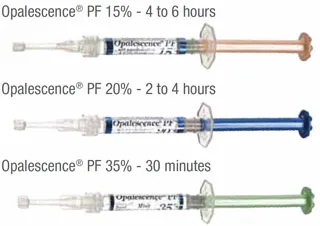
Achieving a brighter, whiter smile is a common goal, and teeth whitening has become a popular cosmetic procedure. Among the various whitening options available, 35% whitening gel is a potent solution often used in professional settings. However, its strength also brings a need for careful application and understanding. This article will delve into the key facts about 35% whitening gel, focusing on application time, potential side effects, and crucial safety measures. We will explore the science behind this effective treatment while emphasizing the importance of professional guidance to ensure the best results and minimize risks.
What is 35% Whitening Gel and How Does it Work
35% whitening gel is a professional-strength bleaching agent commonly used by dentists to whiten teeth. The ‘35%’ refers to the concentration of hydrogen peroxide, the active ingredient responsible for breaking down stains and discolorations on the teeth. This high concentration means the gel can deliver significant whitening results relatively quickly. The process involves applying the gel to the teeth, usually with custom-fitted trays, and allowing it to sit for a specific period. The hydrogen peroxide penetrates the enamel, reacting with the stained organic molecules and breaking them down. This action lightens the color of the teeth, resulting in a brighter, more appealing smile. Because of its potency, 35% whitening gel is generally administered and supervised by a dental professional to ensure safety and effectiveness.
The Active Ingredient in Whitening Gels
The primary active ingredient in 35% whitening gel is hydrogen peroxide. Hydrogen peroxide is a strong oxidizing agent that penetrates the porous enamel of the teeth. When it comes into contact with the discolored molecules within the tooth structure, it breaks them down through oxidation. This chemical reaction effectively removes stains caused by food, drinks, tobacco, and other factors. The higher the concentration of hydrogen peroxide, the faster the whitening process can occur, and the more dramatic the initial results may seem. However, the increased concentration also means a greater potential for side effects, which is why professional guidance is essential to its safe and effective use. Other ingredients may be included to stabilize the formula or enhance the whitening effect, but hydrogen peroxide remains the core component.
How 35% Gel Penetrates Enamel

Tooth enamel, while the hardest substance in the human body, is porous. These tiny pores allow substances to pass through. The 35% whitening gel works by penetrating these pores. Once applied to the teeth, the hydrogen peroxide in the gel diffuses through the enamel, reaching the dentin layer beneath. It’s within the dentin that the staining molecules reside. The peroxide then reacts with these molecules, breaking them into smaller, colorless components. This process effectively lightens the overall color of the tooth. The rate at which the gel penetrates and the effectiveness of the whitening depend on factors such as the enamel’s thickness, the concentration of the gel, and the contact time. This is why it is crucial to adhere to the dentist’s instructions for application time, as prolonged exposure can increase the risk of side effects without necessarily improving the outcome.
Top 5 Facts about Using 35% Whitening Gel
Fact 1: Recommended Application Time
The recommended application time for 35% whitening gel varies based on the specific product and the individual’s needs, but it usually ranges from 15 to 30 minutes per session. Dentists will determine the ideal duration during a consultation, considering factors such as the patient’s existing tooth shade, the level of staining, and the sensitivity of their teeth and gums. It’s important to adhere strictly to the dentist’s instructions, as exceeding the recommended time can lead to increased sensitivity or gum irritation without necessarily enhancing the whitening results. During the treatment, the gel remains in contact with the teeth, actively breaking down stains. After the designated time, the gel must be thoroughly rinsed off, and any excess is wiped from the gums to prevent potential irritation. Following the guidelines ensures the safest and most effective results.
Factors Influencing Application Time

Several factors influence the application time of 35% whitening gel. The initial shade of the teeth is crucial; more heavily stained teeth might require slightly longer application times, although dentists must balance this against the risk of side effects. The type of stains also plays a role, as certain types of discoloration, like those caused by tetracycline, may take longer to address. Tooth sensitivity is another critical factor; patients with sensitive teeth may require shorter application times to minimize discomfort. The dentist will also consider the condition of the enamel and any existing dental work. Furthermore, the specific whitening gel product’s formulation and the presence of any additives can affect the optimal contact time. Dentists carefully assess all these factors to customize the treatment plan and ensure the best outcome while prioritizing patient comfort and safety. Close communication between the patient and dentist ensures adjustments can be made as necessary.
Fact 2: Potential Side Effects
Using 35% whitening gel can lead to several side effects. The most common is tooth sensitivity, which manifests as sharp, temporary pain or discomfort when consuming hot, cold, sweet, or acidic foods and drinks. This sensitivity occurs because the gel can temporarily open the pores of the enamel, allowing stimuli to reach the nerves in the teeth. Another potential side effect is gum irritation or inflammation, which can appear as redness, swelling, or tenderness in the gums. This can happen if the gel comes into contact with the gum tissue. In rare cases, some people may experience temporary changes in tooth texture or minor enamel erosion. These side effects are usually temporary and resolve shortly after the treatment is completed. However, it’s crucial to be aware of them and to follow the dentist’s instructions to minimize their occurrence.
How to Minimize Sensitivity
Several strategies can help minimize tooth sensitivity during and after 35% whitening gel treatment. Using a desensitizing toothpaste containing potassium nitrate or fluoride a few weeks before starting the treatment can help reduce sensitivity. During the treatment, your dentist may suggest using a lower concentration of the gel or reducing the application time to allow for a more gradual whitening process. They might also apply a fluoride treatment after each session to strengthen the enamel. Avoiding extremely hot or cold foods and drinks during the treatment period and for a few days afterward can also help. Over-the-counter pain relievers, such as ibuprofen, can be taken if sensitivity becomes uncomfortable. Most importantly, communicate any discomfort to your dentist, who can adjust the treatment plan as needed to ensure your comfort throughout the process.
Fact 3: Importance of Professional Guidance

Professional guidance is essential when using 35% whitening gel. Dentists have the expertise to assess your oral health, determine the suitability of the treatment, and customize the plan based on your individual needs. They can identify and address any pre-existing dental issues that might complicate the whitening process, such as cavities or gum disease. Dentists can also ensure the proper fit of the whitening trays, which is crucial to prevent the gel from contacting the gums and causing irritation. They will closely monitor your progress throughout the treatment, making adjustments to the application time, gel concentration, or frequency as needed. Professional supervision also provides the advantage of early detection and management of any side effects. Furthermore, your dentist can provide detailed instructions on post-whitening care, ensuring you achieve the best possible results while minimizing the risks of complications.
Why Consult a Dentist Before Use
Consulting with a dentist before using 35% whitening gel is critical for several reasons. First, a dentist can evaluate the overall health of your teeth and gums, identifying any underlying conditions that need to be addressed before whitening. They can also determine the cause of your tooth discoloration, as certain types of stains may not respond well to whitening treatments. Your dentist will discuss your expectations, explain the potential benefits and risks of the treatment, and develop a customized plan tailored to your needs. They can also take impressions to create custom-fitted trays, which are more effective and comfortable than generic trays. Moreover, a dentist can provide you with detailed instructions on how to use the gel safely and effectively, minimizing the risk of side effects and maximizing the chances of achieving a brighter smile. Regular dental check-ups are essential to maintaining your oral health.
Fact 4: Frequency of Use
The frequency of using 35% whitening gel depends on your dentist’s recommendations and your individual needs. Often, the treatment involves a series of sessions, usually spaced a week or two apart. The initial sessions are typically used to achieve the desired level of whitening, and the dentist will monitor your progress to adjust the treatment plan as needed. After the initial whitening, you may need periodic touch-up treatments to maintain the results. The frequency of these touch-ups varies, but it can range from once every six months to once a year, depending on factors like your diet, lifestyle, and oral hygiene habits. Excessive use of whitening products is not recommended, as it can increase the risk of tooth sensitivity and gum irritation. Your dentist will advise on the optimal schedule to balance achieving a brighter smile with maintaining good oral health. Following their recommendations ensures you can enjoy long-lasting results with minimal side effects.
Optimizing Whitening Schedule

Optimizing your whitening schedule involves working closely with your dentist to create a plan that suits your specific needs and goals. During the initial consultation, your dentist will assess your teeth and discuss your expectations to determine the appropriate number of whitening sessions. They will also consider your lifestyle, including your diet and habits, which can affect the longevity of your results. The schedule will typically involve a series of in-office treatments or a combination of in-office and at-home applications, using custom-fitted trays and the 35% gel. Regular follow-up appointments allow the dentist to monitor your progress and adjust the treatment plan as needed. To maintain your brighter smile, you can incorporate touch-up treatments at home using a lower concentration whitening product, as recommended by your dentist. Maintaining excellent oral hygiene, avoiding staining foods and drinks, and attending regular dental check-ups are vital to keeping your teeth white and healthy.
Fact 5: Maintaining Results
Maintaining the results of 35% whitening gel involves a combination of good oral hygiene practices and lifestyle choices. Brush your teeth twice a day for two minutes each time with fluoride toothpaste. Floss daily to remove plaque and food particles from between your teeth, as plaque buildup can contribute to staining. Avoid or limit foods and drinks that can stain your teeth, such as coffee, tea, red wine, and dark-colored berries. If you consume these items, rinse your mouth with water immediately afterward or brush your teeth. Avoid tobacco products, as smoking and chewing tobacco can severely stain teeth. Use a straw when drinking beverages known to stain teeth. Attend regular dental check-ups and cleanings to maintain overall oral health and address any potential staining issues. Your dentist may also recommend using a maintenance whitening product at home to keep your smile bright.
Post-Whitening Care Tips
Following the appropriate post-whitening care can significantly enhance the longevity of your results and minimize any potential side effects. Avoid consuming highly pigmented foods and drinks for at least 48 hours after treatment, as your teeth are more susceptible to staining during this period. This includes coffee, tea, red wine, dark sodas, and strongly colored fruits and vegetables. Continue to maintain excellent oral hygiene by brushing and flossing regularly. Use a desensitizing toothpaste if you experience any tooth sensitivity. Avoid smoking or using tobacco products, as they can quickly stain your teeth and diminish the whitening effects. Consider using a whitening toothpaste or mouthwash as part of your daily routine to help maintain brightness. Schedule a follow-up appointment with your dentist to assess your results and receive any necessary touch-up treatments. Following these post-whitening care tips will help ensure you enjoy your brighter, whiter smile for an extended period.
Risks and Precautions of 35% Whitening Gel

While 35% whitening gel can effectively whiten teeth, it also comes with potential risks and requires certain precautions to ensure safe and effective use. It is crucial to be aware of these factors before undergoing treatment. The high concentration of hydrogen peroxide means a greater chance of side effects, such as tooth sensitivity and gum irritation. These are generally temporary but can cause discomfort. Overuse of the gel, exceeding the recommended application time, or using the product without professional guidance can increase the risk. Always follow your dentist’s instructions and report any unusual symptoms. Additionally, whitening treatments are not suitable for everyone, including pregnant or breastfeeding women and individuals with certain dental conditions. Discuss your medical and dental history with your dentist before starting any whitening treatment. Ensuring the proper fit of the whitening trays is important to prevent the gel from contacting the gums, which can lead to irritation and inflammation.
Irritation of the Gums
Gum irritation is a common risk associated with 35% whitening gel. This can manifest as redness, swelling, tenderness, or even blistering of the gum tissue. The irritation occurs when the high-concentration gel comes into contact with the gums, as the peroxide can be harsh on the soft tissues. To prevent gum irritation, dentists take several precautions. They typically use custom-fitted trays that fit snugly around the teeth to minimize gel exposure to the gums. They may also apply a protective barrier to the gums before applying the gel. It’s crucial to avoid overfilling the trays, as this can cause the gel to leak onto the gums. If any irritation occurs, the dentist may adjust the treatment plan or recommend using a desensitizing gel to soothe the gums. Patients should report any discomfort or changes to their dentist immediately.
Teeth Sensitivity
Tooth sensitivity is another common side effect of 35% whitening gel. The hydrogen peroxide in the gel can penetrate the enamel and reach the dentin, affecting the nerves in the teeth. This can cause temporary sensitivity to hot or cold foods and drinks. The intensity of the sensitivity varies from person to person, some may experience only mild discomfort, while others may experience more significant pain. Dentists take steps to minimize sensitivity, such as using a lower concentration of the gel or reducing the application time. They may also recommend using a desensitizing toothpaste for a few weeks before and during the treatment. During the treatment, patients should avoid extremely hot or cold foods and drinks. Using a fluoride treatment after each session can help strengthen the enamel and reduce sensitivity. If the sensitivity is severe, your dentist may advise you to pause or adjust the treatment to ensure your comfort.
Importance of Proper Tray Fit

The proper fit of the whitening trays is crucial for both the effectiveness and safety of 35% whitening gel. Custom-fitted trays, made by your dentist, are designed to fit precisely over your teeth. A well-fitting tray ensures that the gel comes into contact with the tooth surfaces evenly, maximizing whitening and minimizing the risk of gum irritation. If the trays do not fit properly, the gel can leak onto the gums, leading to irritation, inflammation, and discomfort. Poorly fitted trays may also result in uneven whitening. Before treatment, dentists take impressions of your teeth to create these custom trays. They carefully check the fit to ensure that the gel is applied correctly. If you notice any issues with the tray fit, such as the tray feeling too loose or tight, or the gel leaking, it’s essential to inform your dentist immediately. A well-fitted tray is one of the key elements for a successful and comfortable whitening experience.
Alternatives to 35% Whitening Gel
While 35% whitening gel is a potent option, several alternatives are available for teeth whitening, depending on your needs, goals, and oral health. These options offer varying levels of effectiveness and are suited to different situations. For those seeking a less intensive approach, over-the-counter whitening products may be a good starting point. For more significant whitening, professional whitening options can provide better results. The best option depends on individual circumstances and preferences. Understanding the alternatives allows you to make an informed decision about the best approach for achieving a brighter smile.
Over-the-Counter Whitening Products
Over-the-counter (OTC) whitening products offer a convenient and often more affordable alternative to professional treatments. These products typically contain lower concentrations of hydrogen peroxide or other whitening agents, making them less potent but also less likely to cause side effects. Common OTC options include whitening toothpastes, strips, and gels. Whitening toothpastes typically contain mild abrasives or bleaching agents that remove surface stains. Whitening strips are thin, flexible strips coated with a whitening gel that you apply directly to your teeth. Whitening gels often come with a tray and are applied similarly to professional treatments, but with a lower concentration of whitening agent. While OTC products may not provide dramatic results, they can gradually improve the appearance of your teeth. Results vary depending on the product, the type of stains, and your consistency of use. Before using any OTC whitening products, read and follow the instructions carefully to avoid any potential side effects and to ensure safe usage.
Professional Whitening Options

Professional whitening options, performed by a dentist, are the most effective way to whiten teeth and often yield the most noticeable results. These treatments use higher concentrations of whitening agents, like 35% hydrogen peroxide gel, than OTC products. Dentists can customize the treatment plan to meet your needs and goals. In-office whitening involves applying the whitening gel directly to your teeth and using a special light or laser to enhance the whitening process. This method provides quick and dramatic results, often in a single visit. Another professional option is at-home whitening, where your dentist provides you with custom-fitted trays and a prescription-strength whitening gel to use at home. This approach allows for more flexibility and can be a good option for maintaining results after in-office treatment. Professional whitening treatments are safe, effective, and supervised by a dentist, ensuring your oral health is protected throughout the process. Consulting with your dentist to explore professional whitening options is advisable when seeking significant improvements in tooth color.
Conclusion
Understanding how long to leave 35% whitening gel on your teeth is a crucial aspect of achieving a brighter smile while maintaining your oral health. The application time, generally between 15 to 30 minutes, depends on your specific needs and the dentist’s recommendations. Professional guidance is essential to assess your needs, monitor your progress, and minimize potential side effects such as tooth sensitivity and gum irritation. By adhering to the recommended application time, following post-whitening care instructions, and seeking regular dental check-ups, you can enjoy the benefits of a whiter smile while prioritizing your overall oral health. Remember, achieving a brighter smile is a journey best undertaken with professional guidance and careful attention to detail.