Understanding Hair Whitening
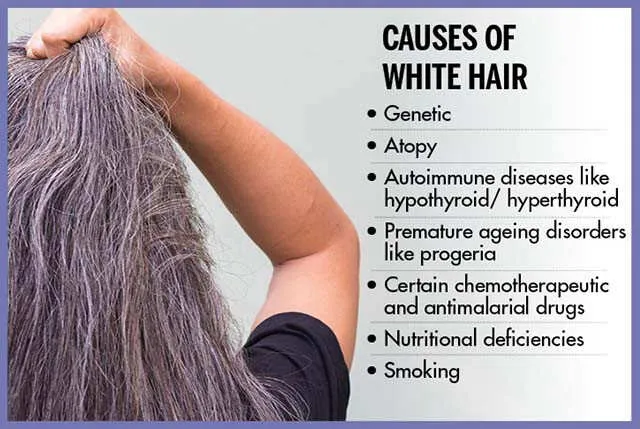
Hair whitening, often referred to as graying, is a natural process that occurs with age. However, premature hair whitening can be a cause of concern for many individuals. Several factors contribute to this phenomenon, and understanding these can help in addressing the issue effectively. While genetics play a significant role, deficiencies in certain vitamins and minerals are often major contributors. Recognizing these deficiencies and taking appropriate measures can help slow down or even reverse the process in some cases. This article delves into the top 5 deficiency causes of hair whitening, providing insights into how these nutritional gaps impact hair color and what can be done to mitigate them.
The Role of Melanin in Hair Color
Melanin is the pigment responsible for the color of our hair, skin, and eyes. Produced by melanocytes, specialized cells located in the hair follicles, melanin comes in two primary forms: eumelanin (which produces black and brown shades) and pheomelanin (which produces red and yellow shades). The combination and proportion of these melanins determine an individual’s hair color. As we age, melanocyte activity gradually decreases, leading to a reduction in melanin production. This decline results in the loss of pigment and the eventual appearance of gray or white hairs. Factors such as genetics, oxidative stress, and, importantly, nutritional deficiencies can accelerate this process.
Why Hair Whitens

Hair whitens when the melanocytes in the hair follicles stop producing melanin or produce less of it. This can be a natural part of aging, but several factors can speed up this process. Oxidative stress, caused by an imbalance between free radicals and antioxidants in the body, can damage melanocytes and impair melanin production. Nutritional deficiencies also play a significant role, as certain vitamins and minerals are essential for maintaining healthy melanocyte function and melanin synthesis. Lifestyle factors, such as smoking and excessive exposure to sunlight, can further contribute to hair whitening by increasing oxidative stress and damaging hair follicles. Understanding these underlying causes is crucial for addressing and potentially reversing premature graying.
Top 5 Deficiency Causes of Hair Whitening
Several nutritional deficiencies have been linked to premature hair whitening. Ensuring adequate intake of these nutrients is crucial for maintaining healthy hair color and overall well-being. The following are five of the most significant deficiencies associated with hair whitening:
Vitamin B12 Deficiency and Hair Whitening
Vitamin B12 is essential for various bodily functions, including DNA synthesis and red blood cell formation. A deficiency in vitamin B12 can impair the production of melanin, leading to hair whitening. This deficiency is often seen in individuals with poor dietary intake, absorption issues (such as those with pernicious anemia or other digestive disorders), or those following a strict vegan diet. Symptoms of B12 deficiency often include fatigue, weakness, and neurological issues, alongside the premature graying of hair. Supplementation or dietary changes can help restore B12 levels and potentially reverse some of the hair whitening.
The Impact of Vitamin D Deficiency

Vitamin D plays a critical role in various aspects of health, including hair follicle cycling. Low vitamin D levels can disrupt hair growth and pigmentation. Vitamin D receptors are present in hair follicles, and deficiencies can lead to decreased melanin production and increased hair whitening. Vitamin D deficiency is common, especially in people who spend little time outdoors or live in regions with limited sunlight. Ensuring adequate vitamin D levels through sunlight exposure, diet, and supplementation can help support healthy hair pigmentation and potentially slow down hair whitening.
Iron Deficiency and Premature Graying
Iron is essential for red blood cell production, carrying oxygen throughout the body, and it is also involved in melanin production. Iron deficiency anemia can lead to hair whitening, as it disrupts the supply of nutrients and oxygen to hair follicles. This deficiency is particularly common in women of childbearing age, vegetarians, and individuals with chronic blood loss. Increasing iron intake through diet or supplementation can help restore normal hair pigmentation, though it’s crucial to address the underlying cause of the deficiency.
Copper Deficiency and Hair Whitening
Copper is a trace mineral that plays a key role in melanin production. It’s a cofactor for the enzyme tyrosinase, which is essential for converting tyrosine into melanin. Copper deficiency can impair melanin synthesis, leading to hair whitening. This deficiency is rare but can occur due to poor dietary intake or malabsorption issues. Dietary sources of copper include organ meats, shellfish, nuts, and seeds. Addressing copper deficiency through dietary changes or supplementation can support healthy hair pigmentation.
Zinc Deficiency and Hair Color Changes

Zinc is essential for various bodily functions, including cell growth and repair, and is crucial for maintaining the health of hair follicles. Zinc deficiency can contribute to hair whitening. Zinc deficiency can also lead to hair loss and changes in hair texture. Zinc is involved in protein synthesis and cell division, which are vital for hair growth and pigmentation. Dietary sources of zinc include meat, seafood, nuts, and whole grains. Supplementing zinc can improve hair health and potentially reduce premature graying, but it’s important to maintain a balanced diet to avoid an excess of this mineral.
Other Factors Influencing Hair Whitening
While nutritional deficiencies are significant, other factors can also influence hair whitening. Understanding these factors can provide a comprehensive approach to managing and potentially preventing premature graying:
Genetics and Aging
Genetics play a crucial role in determining when and how quickly hair whitens. If your parents or grandparents experienced premature graying, you may be more likely to experience it as well. Aging itself is a primary cause of hair whitening. As we age, the melanocytes in our hair follicles gradually become less efficient, reducing melanin production and leading to gray or white hairs. While genetics cannot be changed, understanding your family history can help you anticipate and prepare for this natural process.
Lifestyle Choices

Lifestyle choices significantly impact hair health and the rate of hair whitening. Smoking, for example, is linked to increased oxidative stress, which can damage melanocytes and accelerate hair whitening. Excessive exposure to sunlight without protection can also contribute to hair damage and pigment loss. Maintaining a healthy lifestyle, including a balanced diet, regular exercise, and avoiding smoking, can help support hair health and slow down the graying process. Managing stress levels is also crucial, as chronic stress can impact overall health, including hair pigmentation.
How to Address Deficiency Related Hair Whitening
Addressing deficiency-related hair whitening involves a multifaceted approach that includes dietary changes, supplementation, and consulting with healthcare professionals. Here are some steps to take:
Dietary Changes
A balanced diet rich in vitamins, minerals, and antioxidants is essential for supporting hair health and pigmentation. Focus on consuming foods rich in vitamins B12, D, iron, copper, and zinc. Include lean proteins, fruits, vegetables, whole grains, and healthy fats in your diet. Consider incorporating foods specifically known for their benefits to hair, such as those rich in antioxidants. This will help reduce the risk of nutritional deficiencies and promote the production of melanin.
Supplementation

Supplementation can be helpful in addressing specific nutrient deficiencies that may contribute to hair whitening. If you suspect you have a deficiency, consult with a healthcare professional to determine the appropriate supplements and dosages. Vitamin B12, vitamin D, iron, copper, and zinc supplements can be considered, based on your individual needs. Remember that it’s crucial to follow the recommended dosages and be aware of potential interactions with other medications or supplements. A healthcare provider can also help monitor your levels to ensure safe and effective supplementation.
Consulting a Healthcare Professional
If you’re concerned about premature hair whitening, it’s important to consult a healthcare professional. They can perform blood tests to check for nutrient deficiencies and rule out other underlying medical conditions that may be contributing to the problem. A doctor or a registered dietitian can provide personalized recommendations for dietary changes, supplementation, and other treatments. They can also assess any potential health issues and guide you through the process of improving your overall health and potentially restoring your hair color. Seeking professional advice ensures a targeted and effective approach to addressing hair whitening.
In conclusion, hair whitening is often linked to nutritional deficiencies. By understanding the role of melanin and the impact of deficiencies in vitamins B12, D, iron, copper, and zinc, you can take proactive steps to address and potentially slow down the process. Implementing dietary changes, considering supplementation under professional guidance, and adopting a healthy lifestyle are crucial for maintaining hair pigmentation and overall health. Addressing these deficiencies not only improves hair health but also enhances overall well-being.