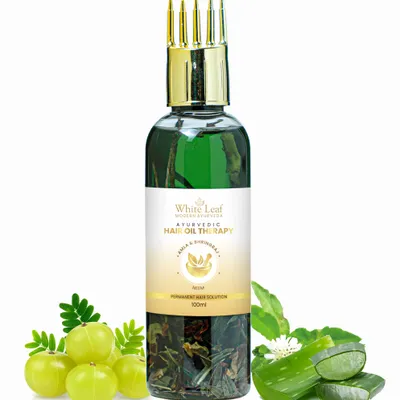
What is Hair Whitening Oil?
Hair whitening oil is a specialized hair care product designed to lighten the hair, leading to a white or silver appearance. Unlike traditional hair dyes that deposit color, hair whitening oil often works by influencing the melanin production within the hair follicles or by gradually removing existing pigments. This can be achieved through various natural ingredients and chemical formulations, with the aim of achieving a natural-looking white hair appearance. The effectiveness can vary depending on hair type, the specific ingredients, and the regularity of use. It is essential to understand the mechanism, components, and safe usage of hair whitening oil to achieve desired results without damaging your hair.
The Science Behind Hair Whitening Oil
The process of hair whitening is rooted in the science of melanin, the pigment responsible for hair color. As we age, the production of melanin decreases, and hair follicles produce less pigment, leading to graying and, eventually, white hair. Hair whitening oil often targets this process by either reducing the existing melanin or by boosting the activity of the enzyme tyrosinase, which is vital for melanin production. Some oils may also contain agents that interact with hair keratin to alter its light-reflecting properties, making it appear lighter. Understanding the science behind hair whitening oil enables consumers to make informed choices, ensuring both effectiveness and safety. The ingredients, their concentrations, and the method of application all play a crucial role in the results and hair health.
How Does Hair Whitening Oil Work?

Hair whitening oil works through various mechanisms to achieve its lightening effect. Some oils might use ingredients that help to gently oxidize the melanin, gradually lightening the hair color. Others might focus on enhancing the hair’s ability to reflect light, making it appear whiter or more silver. Certain formulations contain substances that help to open the hair cuticle, which aids in pigment removal. The oil’s ability to penetrate the hair shaft also influences its efficacy; oils that can effectively reach the melanin in the hair cortex are generally more effective. Consistency in application is key, as hair whitening is a gradual process. The specific process depends heavily on the active ingredients used and the overall formulation of the oil.
Key Ingredients to Look for in Hair Whitening Oil
The effectiveness of hair whitening oil largely depends on its ingredients. Key ingredients often include antioxidants like vitamin E, which protect the hair from oxidative stress. Certain oils also contain components like hydrogen peroxide (in controlled, safe concentrations) that help to lighten the hair by oxidizing the melanin. Natural ingredients like chamomile or lemon extract are sometimes used to subtly lighten hair, though they may not be as effective as chemical formulations. Additional beneficial components include oils that nourish the hair, such as argan oil or coconut oil, which can help maintain hair health during the whitening process. Always check the ingredient list and look for products with a balanced combination of whitening agents and hair-nourishing ingredients.
Types of Hair Whitening Oil and Their Benefits
There are several types of hair whitening oil, each with its unique formulation and benefits. Some are formulated with natural ingredients like chamomile and lemon, suitable for those seeking a gentle approach. These are often milder and may provide a gradual lightening effect. Other oils use chemical agents, such as hydrogen peroxide, for faster results. These require careful application to avoid damage. Some hair whitening oils focus on enhancing the hair’s shine, making it appear whiter. They include conditioning agents that improve hair health. The choice depends on individual hair type, desired outcomes, and tolerance for different ingredients. Consider the benefits of each type before making a decision.
Application Instructions for Hair Whitening Oil

Proper application is essential for the effectiveness and safety of hair whitening oil. Begin by performing a patch test on a small area of your skin and hair to check for allergic reactions. Before applying the oil, wash your hair to remove any styling products or buildup. Following the instructions on the product label is crucial; the application process varies depending on the oil’s formulation. Commonly, you apply the oil evenly to dry hair, ensuring full coverage. The oil usually needs to sit for a specified time, often between 30 minutes to a few hours, depending on the product. After the application time, rinse your hair thoroughly and use a hydrating conditioner to restore moisture.
Step-by-Step Guide to Applying Hair Whitening Oil
To apply hair whitening oil effectively, start by parting your hair into sections. This ensures that you cover all strands evenly. Use gloves to protect your hands, and apply the oil from roots to tips, ensuring each strand is coated. Massage the oil into your scalp to promote circulation and enhance absorption. After applying, use a shower cap to keep the oil in place and help it work more efficiently. Set a timer according to the product’s instructions, and avoid exceeding the recommended time to prevent damage. Rinse your hair thoroughly with cool water, then use a moisturizing shampoo and conditioner to rehydrate your hair. Regular application, as per the product directions, is key to achieving the desired white hair.
Tips for Maximizing the Effectiveness of Hair Whitening Oil
To maximize the effectiveness of hair whitening oil, start with healthy hair. Before applying the oil, ensure your hair is free from product buildup. Follow the product instructions meticulously, paying attention to the application time and frequency. Use a clarifying shampoo before each application to help the oil penetrate better. Regular deep conditioning treatments can keep your hair hydrated, thus improving its ability to lighten. Avoid heat styling tools, as they can damage the hair during the whitening process. Be patient, as the whitening process can take time. Consistent use is key. Additionally, protect your hair from the sun, as UV rays can affect the color.
Potential Side Effects and How to Avoid Them

Hair whitening oils can cause side effects such as scalp irritation, dryness, and hair damage. To avoid these, perform a patch test before the first use. Follow the recommended application time and avoid overuse, as excessive use can lead to dryness. Always use a moisturizing conditioner after each treatment. If you experience irritation or burning, rinse your hair immediately and discontinue use. Choose products with nourishing ingredients like argan oil or coconut oil to help prevent dryness. If you have sensitive skin, opt for oils with milder formulations and less harsh chemicals. Regular moisturizing treatments can minimize the risk of side effects. If you notice any significant changes in hair texture, consult a professional.
Choosing the Right Hair Whitening Oil for Your Hair Type
Selecting the right hair whitening oil for your hair type is crucial for achieving optimal results. If you have dry or damaged hair, opt for oils enriched with moisturizing ingredients like argan or jojoba oil to prevent further dryness. For oily hair, choose lighter formulations that won’t weigh down your hair. Consider products with clarifying properties to balance oil production. If you have fine hair, choose oils with lighter textures to avoid weighing it down. For coarse hair, look for oils with richer formulas to provide adequate hydration. Always read the product label and choose products that are specifically designed for your hair type. If you are unsure, consult a hairstylist for personalized recommendations.
Where to Buy Hair Whitening Oil
Hair whitening oil is available from various sources. You can find it at beauty supply stores, both online and in physical locations. Major retailers often carry a range of brands and formulations. Online marketplaces provide access to a vast selection, allowing you to compare products and read reviews. Check the product’s website for direct purchases or find authorized retailers. Before purchasing, ensure the product is from a reputable brand and meets safety standards. Always read reviews to assess the experiences of other users and compare prices. Consider the ingredients and read the product’s description carefully to ensure it suits your hair type and desired results. Look for products that offer customer support for any queries.