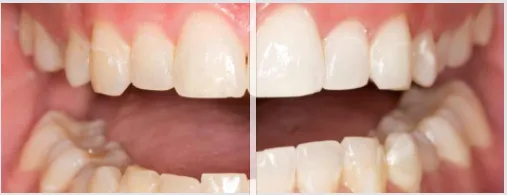
The Best Edinburgh Teeth Whitening Treatments
Achieving a dazzling smile is now easier than ever with the range of teeth whitening treatments available in Edinburgh. Whether you’re looking for a quick fix before a special event or a long-term solution to brighten your pearly whites, Edinburgh offers a variety of options to suit your needs and budget. From professional in-office treatments to convenient take-home kits and over-the-counter products, the choices are extensive. Understanding the different types of treatments available is the first step towards achieving the smile you’ve always dreamed of. Each method has its own set of advantages and considerations, so it’s important to explore all the possibilities to find the perfect fit for your specific requirements and preferences. This guide will help you navigate the choices and discover the best teeth whitening treatment in Edinburgh for you.
Professional Teeth Whitening in Edinburgh
For those seeking the most effective and immediate results, professional teeth whitening in Edinburgh is the gold standard. Dentists employ powerful whitening agents that are not available over the counter, ensuring significantly brighter and more consistent results. This also involves a thorough examination of your teeth to identify any underlying issues, such as cavities or gum disease, that might affect the whitening process. By choosing a professional treatment, you also benefit from the expertise of a trained dental professional who can monitor the progress and address any potential sensitivity or complications. This ensures not only a whiter smile but also a safer and more comfortable experience.
In-Office Whitening Procedures

In-office teeth whitening, offered by many dentists in Edinburgh, is a fast and effective way to achieve dramatic results in a single visit. This procedure typically involves applying a high-concentration whitening gel to your teeth, which is then activated by a special light or laser. The entire process takes about an hour, and you can leave the dentist’s office with a smile that’s several shades lighter. Before the procedure, your dentist will usually clean your teeth and protect your gums to minimize any potential irritation. In-office whitening is ideal for people who want immediate results or have a busy schedule and can’t commit to a take-home kit.
Take-Home Whitening Kits
If you prefer a more gradual approach, take-home whitening kits are an excellent option. Your Edinburgh dentist will provide you with custom-fitted trays that fit your teeth perfectly, along with a whitening gel that you apply at home. The trays are usually worn for a set amount of time each day or night, and the results become visible over several weeks. Take-home kits offer greater flexibility and affordability compared to in-office treatments. They also allow you to control the whitening process and monitor the level of brightness you achieve. Your dentist will provide clear instructions and ongoing support to ensure you get the best possible results safely.
Over-the-Counter Products
For those seeking a budget-friendly option, over-the-counter teeth whitening products are readily available in Edinburgh pharmacies and supermarkets. These products offer a convenient and accessible way to brighten your smile, but they may not deliver the same dramatic results as professional treatments. They are also less controlled, and the level of whitening achieved may vary. It is also important to carefully read and follow all instructions provided. These products can be a good starting point for those looking for subtle improvements in their smile and are generally safe for people with healthy teeth and gums.
Whitening Toothpastes and Rinses

Whitening toothpastes and rinses are the most accessible over-the-counter options. These products typically contain mild abrasives or chemicals that help remove surface stains, but they won’t change the natural color of your teeth. They can be a good option for maintaining a brighter smile after professional whitening or for people who want a subtle improvement. It’s essential to use these products as directed and to be patient, as the results can take several weeks to become noticeable. Consulting your dentist about the best toothpaste to suit your teeth is recommended to ensure maximum effectiveness and minimal enamel damage.
Whitening Strips
Whitening strips are another popular over-the-counter choice, offering a more concentrated whitening treatment than toothpastes or rinses. These thin, flexible strips are coated with a whitening agent and are applied directly to your teeth. They are relatively easy to use and can provide visible results within a few weeks. The effectiveness of whitening strips can vary depending on the brand and the concentration of the whitening agent. It’s crucial to follow the instructions carefully and to avoid overuse, as this could lead to sensitivity or gum irritation. Also, if you have fillings or crowns on your front teeth, the whitening strips would not be effective on these.
Teeth Whitening Costs in Edinburgh
The cost of teeth whitening in Edinburgh can vary considerably depending on the type of treatment you choose and the provider. In-office procedures are generally the most expensive option, as they involve the expertise of a dental professional and advanced technology. Take-home kits are usually more affordable, offering a good balance between cost and convenience. Over-the-counter products are the most budget-friendly, but their effectiveness is generally more limited. It’s important to consider your budget and desired results when choosing a teeth whitening treatment.
Factors Influencing Cost

Several factors can influence the cost of teeth whitening in Edinburgh. The experience and reputation of the dentist or clinic can affect the price, as can the specific whitening technology used. The extent of the treatment and the number of sessions required will also impact the overall cost. The materials used, such as the type of whitening gel or the custom-fitted trays, can also contribute to the price. Comparing prices from different providers in Edinburgh can help you find the most cost-effective option without compromising on quality.
Insurance Coverage for Teeth Whitening
Unfortunately, teeth whitening is generally considered a cosmetic procedure and is not covered by most dental insurance plans. In some rare cases, if the teeth whitening is deemed medically necessary (e.g., due to discoloration caused by a medical condition), a portion of the cost might be covered. It is essential to check with your insurance provider to understand your specific coverage. Many dental practices in Edinburgh offer payment plans or financing options to make teeth whitening more accessible. Discussing these options with your dentist can help you find a manageable way to achieve a brighter smile.
Maintaining Your White Smile
After investing in teeth whitening, maintaining your new, brighter smile is crucial. This involves adopting certain habits and avoiding substances that can stain your teeth. Regular dental check-ups and cleanings are also essential for keeping your teeth healthy and bright. By following these guidelines, you can enjoy your dazzling smile for years to come.
Best Practices for Aftercare

Following the dentist’s aftercare instructions is crucial for the longevity of your teeth whitening results. This typically involves using a sensitive toothpaste to minimize any discomfort and avoiding foods and drinks that can stain your teeth for a certain period after the treatment. This aftercare is especially important immediately after professional whitening, when your teeth are more susceptible to staining. Maintaining good oral hygiene, including brushing and flossing regularly, is also essential. Your dentist may recommend a maintenance kit or touch-up treatments to keep your smile looking its best.
Foods and Drinks to Avoid
Certain foods and drinks can stain your teeth and undo the effects of teeth whitening. To maintain your bright smile, it is recommended to avoid or limit your consumption of these substances, especially in the days and weeks following the treatment. These include coffee, tea, red wine, dark-colored sodas, berries, and tomato-based sauces. Smoking is also a major contributor to tooth discoloration and should be avoided. If you do consume these items, rinse your mouth with water immediately afterward to minimize staining. You should also use a straw when drinking beverages that can stain the teeth, to reduce contact with the teeth.
Regular Dental Check-ups
Regular dental check-ups and cleanings are vital for maintaining your oral health and the appearance of your teeth. During these visits, your dentist can remove plaque and tartar buildup that can dull your smile. They can also identify any potential problems, such as cavities or gum disease, that could affect the whitening results. Routine check-ups also offer an opportunity to discuss your teeth whitening maintenance and to address any concerns you may have. By following a regular schedule of dental visits, you can ensure your teeth remain healthy, and your smile stays bright and beautiful.
Choosing the Right Teeth Whitening Provider

Choosing the right provider for teeth whitening in Edinburgh is a significant decision that can impact your smile’s appearance and your overall oral health. The selection process involves research, consideration of your individual needs, and the assessment of the provider’s credibility. To help you in this process, here are some important factors to consider, which will help you make an informed decision and achieve the best possible results.
What to Look for in a Dentist
When choosing a dentist for teeth whitening, look for a provider with experience in cosmetic dentistry and a good reputation in Edinburgh. Check their credentials and make sure they are registered with the General Dental Council (GDC). They should be able to explain the different whitening options clearly and recommend the best treatment for your specific needs. The dentist should also conduct a thorough examination of your teeth and gums to ensure you’re a good candidate for teeth whitening. A good dentist will also prioritize your comfort and make sure you feel at ease throughout the process.
Reviews and Recommendations
Before making your decision, check online reviews and testimonials from previous patients. These can give you insights into the quality of the dentist’s work, the level of customer service, and the overall patient experience. Ask friends, family, or colleagues for recommendations, as personal referrals can be very helpful. Reading reviews from various sources will give you a comprehensive view and help you make a more informed decision. Look for dentists who have consistently positive feedback and a proven track record of satisfied patients.
Potential Risks and Side Effects of Teeth Whitening

While teeth whitening is generally a safe procedure, it does carry some potential risks and side effects. It’s important to be aware of these before undergoing any treatment. Discussing any concerns with your dentist can help you minimize the risks and make an informed decision.
Sensitivity
Tooth sensitivity is one of the most common side effects of teeth whitening. It can occur during or after the treatment and usually subsides within a few days. The sensitivity is caused by the whitening agent penetrating the enamel and reaching the nerves in your teeth. Your dentist may recommend using a toothpaste designed for sensitive teeth, which can help alleviate the discomfort. Avoiding very hot or cold foods and drinks can also help minimize sensitivity. If the sensitivity is severe or persistent, inform your dentist immediately.
Gum Irritation
Gum irritation is another potential side effect of teeth whitening, particularly with in-office treatments. This can occur if the whitening agent comes into contact with your gums. Your dentist takes precautions to protect your gums during the procedure, but some irritation may still occur. Symptoms may include redness, swelling, or tenderness. Gum irritation is usually temporary and resolves within a few days. Using a gentle toothbrush and avoiding irritating foods can help. If the irritation is severe or prolonged, consult with your dentist for advice and possible treatment. Overall, knowing the potential risks and being informed can help manage any side effects and make the process safer.