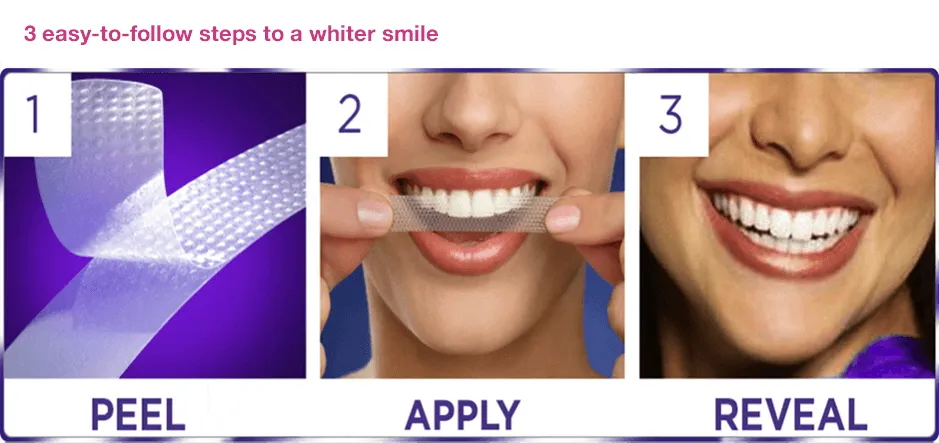
Understanding Dental Strips Whitening
Dental strips whitening has become a popular and convenient method for enhancing the brightness of your smile from the comfort of your own home. These thin, flexible strips are coated with a whitening agent, typically hydrogen peroxide or carbamide peroxide, designed to adhere to your teeth and break down stains. They offer an accessible alternative to professional teeth whitening treatments, providing a noticeable improvement in tooth color over a period of days or weeks. This process is attractive to many because of its ease of use and relatively low cost compared to other options. However, it’s important to understand how these strips work and what to expect to achieve the best results and minimize any potential side effects. This comprehensive overview delves into the science, application, and considerations of using dental strips to achieve a brighter, more confident smile.
How Dental Strips Whitening Works
The magic behind dental strips lies in their active ingredient, typically hydrogen peroxide or carbamide peroxide, which penetrates the enamel of your teeth. These peroxides break down into oxygen molecules that then react with the stain molecules trapped within the enamel, effectively lightening them. This process is known as oxidation, and it’s the primary mechanism responsible for the whitening effect. The concentration of the peroxide in the strips varies depending on the brand and product, influencing the whitening speed and intensity. Over time, consistent use of dental strips can remove both extrinsic stains (those on the surface) and some intrinsic stains (those within the tooth structure), leading to a visibly brighter smile. It is essential to note that while dental strips are effective, the results and the degree of whitening can vary depending on the individual’s oral health and the type of stains present.
Ingredients in Dental Strips

The effectiveness of dental strips is heavily reliant on their active ingredients. Hydrogen peroxide is a common and potent whitening agent that efficiently penetrates the enamel to oxidize stains. Carbamide peroxide, another frequently used ingredient, breaks down into hydrogen peroxide and urea; it’s generally considered a gentler option. Besides these active whitening agents, dental strips also include other ingredients designed to ensure effectiveness and ease of use. These can include polyvinylpyrrolidone (PVP) and other polymers that ensure the strip adheres to the teeth, and flavoring agents like mint to improve the taste. Some strips may also contain ingredients that desensitize teeth, such as potassium nitrate. Understanding the ingredients helps consumers make informed choices, particularly those with sensitive teeth or specific sensitivities.
The Science Behind Teeth Whitening
The scientific basis of teeth whitening revolves around the chemical reactions within the tooth’s enamel. Enamel, the outer protective layer of teeth, is porous, and these pores can trap stain molecules from foods, drinks, and tobacco, leading to discoloration. Whitening agents like hydrogen peroxide work by releasing oxygen free radicals, which break down these larger stain molecules into smaller, less visible ones. The effectiveness of this process is influenced by the concentration of the active agent, the duration of application, and the individual’s tooth structure. The process does not damage the enamel, but can temporarily dehydrate it, leading to increased sensitivity. Understanding the science helps manage expectations and appreciate how teeth whitening products interact with the teeth at a molecular level. Furthermore, this knowledge can also help in differentiating between the various types of whitening treatments available and determining which will best suit individual needs.
Top 5 Tips for Effective Dental Strips Whitening
To maximize the effectiveness of dental strips, it is important to use them correctly. Following are the top five tips to get the best results and ensure the safety of the process. Always follow the manufacturer’s instructions for application duration and frequency, as this affects how well the whitening process works and helps to avoid over-whitening or potential damage. Clean your teeth before applying the strips, but avoid brushing immediately before, as this may cause irritation. Position the strips carefully to ensure full coverage of the teeth’s surface, avoiding contact with the gums to prevent irritation. Maintain consistency; use the strips as recommended in the product instructions for best results. Lastly, be patient; results vary, and it may take several days or weeks to see a significant change.
Choose the Right Strips for Your Needs

Selecting the right dental strips is crucial for achieving satisfactory results. Consider the concentration of the active whitening agent, usually hydrogen peroxide or carbamide peroxide. Higher concentrations may offer faster results but can increase sensitivity. Evaluate the duration of treatment; some strips require short daily applications, while others need longer sessions. Assess the fit and comfort of the strips; they should adhere well to your teeth without causing discomfort. If you have sensitive teeth, look for strips formulated with lower concentrations of whitening agents or those containing desensitizing ingredients like potassium nitrate. Research different brands and read reviews to gauge the effectiveness and user experiences associated with various products. Consider your budget, as prices can vary, but ensure you choose a product with proven efficacy and safety.
Prepare Your Teeth Before Whitening
Before you begin using dental strips, proper preparation is key to optimizing the whitening process. Start with a thorough dental checkup and cleaning from a dentist. This ensures that any plaque, tartar, or existing stains are removed, allowing the whitening agents to work more effectively. Brush your teeth gently before applying the strips, but avoid brushing immediately before, as this can increase sensitivity. Floss to remove food particles and debris between your teeth. If you have any existing dental work like fillings, crowns, or veneers, understand that these will not whiten and might make the color uneven. If you experience sensitivity, consider using a toothpaste designed for sensitive teeth a couple of weeks before starting the whitening process. Properly preparing your teeth maximizes the whitening impact while minimizing potential discomfort.
Proper Application Techniques
Correct application is essential for achieving the best whitening results with dental strips. Start by brushing your teeth gently, but do not brush immediately before applying the strips. Peel the strips carefully from the backing, ensuring they are not torn or damaged. Apply the longer strip to your upper teeth and the shorter one to your lower teeth, positioning them along the gum line. Gently press the strips onto your teeth, ensuring they adhere firmly to the surface. Fold any excess strip material behind your teeth to secure the fit. Avoid touching the strips with your tongue or allowing them to come into contact with your gums to reduce the risk of irritation. Follow the manufacturer’s instructions for the duration of application, typically ranging from 30 minutes to an hour. Once the time is up, remove the strips and discard them. Rinse your mouth to remove any residual whitening agent.
Maintain Your Results After Whitening

Maintaining the results achieved with dental strips involves consistent care and attention to habits that can affect tooth color. Avoid or limit foods and beverages known to stain teeth, such as coffee, tea, red wine, and dark berries. Rinse your mouth with water after consuming staining foods or drinks to minimize their impact. Practice good oral hygiene by brushing your teeth twice a day with a whitening toothpaste and flossing daily to remove plaque and debris. Schedule regular dental checkups and cleanings to help maintain the brightness of your teeth. Consider using a whitening toothpaste or mouthwash as part of your daily routine. Avoid smoking and tobacco products, which can significantly discolor teeth. Follow up with touch-up whitening treatments as needed to maintain your desired shade of white.
Post-Whitening Care for a Lasting Smile
After using dental strips, careful post-whitening care is important to protect and maintain your newly whitened smile. During and immediately after treatment, your teeth may be more susceptible to staining. Avoid or limit the consumption of highly pigmented foods and drinks for the first few days. If you do consume these, rinse your mouth with water immediately afterward. Use a soft-bristled toothbrush and a whitening toothpaste that is gentle on sensitive teeth. Some products contain ingredients that help to remineralize the enamel. Avoid using very hot or cold beverages, as teeth may be temporarily sensitive. Follow your dentist’s advice and schedule regular checkups to assess the health and appearance of your teeth. Consider using a remineralizing toothpaste or mouthwash recommended by your dentist to help strengthen your enamel and sustain your brighter smile.
Potential Risks and Side Effects
While dental strips are generally safe, it is essential to be aware of potential risks and side effects. The most common side effect is tooth sensitivity, which can range from mild to moderate. Gum irritation can also occur, especially if the strips come into contact with the gum tissue. Overuse of dental strips can lead to excessive whitening, making teeth appear unnatural or overly bright. In rare cases, prolonged use can cause damage to the enamel or underlying dentin. If you experience any of these side effects, it’s crucial to reduce the frequency of use or discontinue the treatment and consult your dentist. Individuals with existing dental work should also be aware that the whitening effect will not extend to these restorations, which may result in a mismatch of shades.
Sensitivity and Irritation

Sensitivity and gum irritation are the most frequently reported side effects of using dental strips. Tooth sensitivity is a common temporary reaction, often caused by the peroxide penetrating the enamel and irritating the nerves. Gum irritation may occur if the whitening agent comes into contact with the soft tissues, causing inflammation or discomfort. To minimize sensitivity, use strips with a lower concentration of peroxide, and reduce the duration of application. Avoid overusing the strips and allow your teeth to recover between treatments. If you experience sensitivity, try using a toothpaste designed for sensitive teeth before, during, and after treatment. Gum irritation can be reduced by carefully applying the strips to avoid contact with the gums. Consult your dentist if the sensitivity or irritation persists or worsens.
Alternatives to Dental Strips
If dental strips are not the right fit for you, several alternative teeth whitening options are available. Whitening toothpastes contain mild abrasives and/or chemicals that help remove surface stains, offering a gentle approach to brightening teeth. Whitening mouthwashes can also help to reduce surface stains and maintain a brighter smile. Custom-fitted whitening trays, prescribed by a dentist, use a lower concentration of whitening agents and are designed for a more controlled whitening process at home. The trays hold the whitening gel against the teeth, and are a popular option for those who want a more professional result. For more significant whitening results, in-office treatments provided by a dental professional offer the most powerful and controlled whitening options. These typically involve higher concentrations of whitening agents and may be combined with specialized lights or lasers to accelerate the process.
Professional Whitening Options
Professional teeth whitening, performed by a dentist, offers a more potent and controlled way to whiten teeth. In-office whitening treatments utilize higher concentrations of hydrogen peroxide, often combined with light or laser activation to speed up the process. Custom-fitted trays, provided by a dentist, allow for a more precise application of the whitening gel, minimizing gum irritation and maximizing effectiveness. These professional treatments are typically faster and more effective than at-home methods, offering dramatic results in a single visit or over a few weeks. Regular dental checkups are also essential to maintain oral health and achieve the best results. In-office whitening provides a safe and controlled environment, monitored by a dental professional, ensuring the best results and minimizing potential risks. Furthermore, your dentist can address any underlying dental issues before whitening, ensuring optimal oral health.
Lifestyle Changes for a Brighter Smile

Maintaining a bright smile extends beyond teeth whitening treatments, and it requires making conscious lifestyle choices that support oral health. Limiting your consumption of teeth-staining foods and beverages, such as coffee, tea, red wine, and berries, is crucial. If you indulge in these items, rinse your mouth with water or brush your teeth soon afterward. Avoid smoking and tobacco products, as these can severely discolor teeth. Practice excellent oral hygiene by brushing your teeth twice a day with a fluoride toothpaste and flossing daily to remove plaque and debris. Regular dental checkups and cleanings every six months are essential for maintaining oral health and removing any surface stains that can affect your smile’s brightness. Consider using a whitening toothpaste or mouthwash to help remove surface stains and keep your teeth looking their best. By adopting these habits, you can enjoy a brighter, healthier smile for years to come.