DaVinci Teeth Whitening Side Effects [Overview]
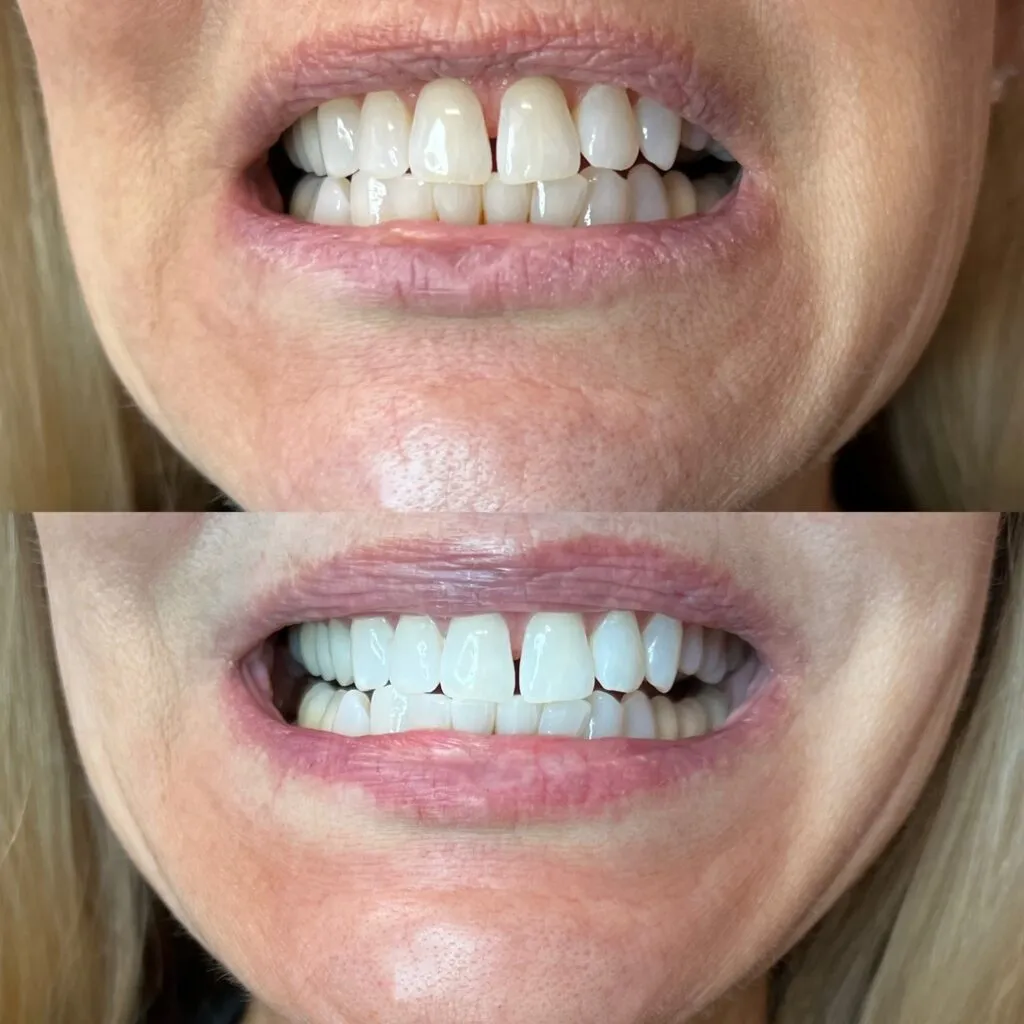
DaVinci teeth whitening has become a popular cosmetic procedure, promising a brighter, more confident smile. However, like any dental treatment, it’s crucial to be aware of the potential side effects. While DaVinci whitening is generally considered safe when performed by qualified professionals, understanding the possible risks and complications is essential for making an informed decision. This article delves into the common and less common side effects associated with DaVinci teeth whitening, providing insights to help you navigate the process with knowledge and confidence. It is important to remember that individual experiences can vary, and consulting with a dental professional is always recommended before undergoing any teeth whitening treatment. This comprehensive guide aims to equip you with the information you need to achieve a radiant smile while prioritizing your oral health.
Common DaVinci Teeth Whitening Side Effects
Several side effects are frequently reported by individuals undergoing DaVinci teeth whitening. These are typically mild and temporary, subsiding within a few days after the treatment. However, being aware of these common effects can help you prepare and manage any discomfort effectively. The most prevalent side effects include increased teeth sensitivity, gum irritation, and, in some cases, minor changes in tooth color. Recognizing these potential outcomes allows you to make informed choices and communicate effectively with your dental provider. Understanding what to expect can help alleviate concerns and ensure a smoother experience throughout the whitening process. The next sections provide a detailed look into each of these common side effects, explaining the causes and potential remedies.
Teeth Sensitivity After Whitening

Teeth sensitivity is perhaps the most frequently reported side effect of DaVinci teeth whitening. This sensation occurs when the whitening agent, typically hydrogen peroxide, penetrates the enamel and reaches the dentin, the layer beneath the enamel that contains nerve endings. This can lead to increased sensitivity to hot, cold, sweet, or acidic foods and drinks. The intensity of the sensitivity varies from person to person, with some experiencing only mild discomfort and others facing more significant issues. Fortunately, this sensitivity is usually temporary, resolving within a few days to a couple of weeks after the treatment. Proper aftercare, such as using toothpaste designed for sensitive teeth and avoiding extremely hot or cold foods, can help manage and reduce the discomfort during this period. If sensitivity persists or becomes unbearable, consult your dentist for advice.
Gum Irritation Explained
Gum irritation, characterized by redness, swelling, or tenderness of the gums, is another common side effect of DaVinci teeth whitening. This can occur due to the whitening agent coming into contact with the gums during the procedure. While the dentist will take precautions to protect the gums, some irritation is still possible. This irritation is generally mild and resolves quickly after the treatment. Avoiding harsh brushing and using a soft-bristled toothbrush can help minimize discomfort. In some cases, your dentist might recommend a topical treatment to soothe the gums. Severe or prolonged gum irritation is rare but should be reported to your dentist promptly. Proper technique and skilled application by the dental professional will minimize this effect, but it’s important to understand the signs and proper course of action.
Enamel Damage Risk
While rare, there’s a potential risk of enamel damage if the DaVinci teeth whitening procedure is not performed correctly or if it’s done too frequently. Overuse of whitening agents can weaken the enamel, making your teeth more susceptible to decay and sensitivity. Therefore, it’s crucial to follow your dentist’s instructions carefully and not exceed the recommended frequency of treatments. Your dentist will assess your oral health and determine if you are a suitable candidate for whitening, and the most appropriate treatment plan to minimize this risk. If enamel damage occurs, it may require professional dental intervention, such as fillings or other restorative treatments. This underscores the importance of choosing a qualified dental professional for the DaVinci teeth whitening and following all aftercare instructions meticulously. Furthermore, maintaining proper oral hygiene habits will ensure the long-term health and vitality of your teeth.
How DaVinci Whitening Works
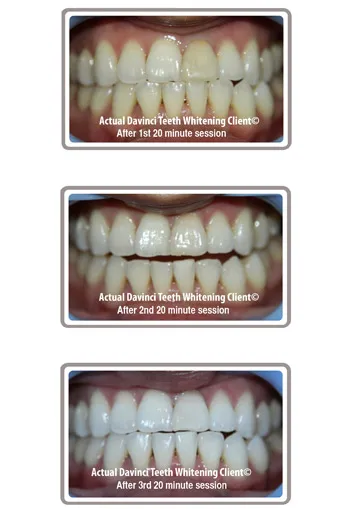
Understanding the underlying process of DaVinci teeth whitening is essential for comprehending its potential side effects. DaVinci whitening typically employs a professional-grade bleaching agent, often hydrogen peroxide, applied to the teeth. This agent breaks down the stain molecules embedded in the enamel, thereby brightening the tooth’s appearance. The procedure usually involves applying the bleaching gel and activating it with a special light. The light enhances the whitening process by accelerating the breakdown of stains. The effectiveness of the whitening depends on various factors, including the concentration of the whitening agent, the duration of the treatment, and the type of stains present. Knowing how the process works gives you insight into why certain side effects occur. Professional application by a dentist ensures that the process is done safely and effectively, minimizing any adverse outcomes.
The DaVinci Whitening Process
The DaVinci whitening process typically begins with a thorough dental examination and cleaning to ensure your teeth are healthy and free of plaque and tartar. The dentist will then isolate your teeth, usually by placing a cheek retractor and applying a protective barrier to your gums to prevent irritation. The whitening gel is then applied to the surface of your teeth. A specialized light is often used to activate the gel and accelerate the whitening process. The gel is left on the teeth for a specific period, after which it is removed, and the teeth are rinsed. The entire process may be repeated multiple times during a single session to achieve the desired results. Following the procedure, your dentist will provide aftercare instructions to help you manage any side effects and maintain your brighter smile.
Ingredients in DaVinci Whitening Products
The key ingredient in DaVinci teeth whitening products is generally hydrogen peroxide or carbamide peroxide. These are the active bleaching agents responsible for breaking down the stain molecules in your teeth. The concentration of the active ingredient can vary, depending on the product and the desired whitening effect. Other ingredients may be present in the gel, such as stabilizers, flavorings, and agents to enhance the whitening process or reduce sensitivity. Understanding the ingredients can help you make informed choices and allows you to be aware of any potential allergic reactions or sensitivities. Your dentist will be able to discuss the specific ingredients used and any potential risks related to them. Make sure to inform your dentist of any known allergies or sensitivities before the whitening process begins.
Less Common Side Effects to Watch For
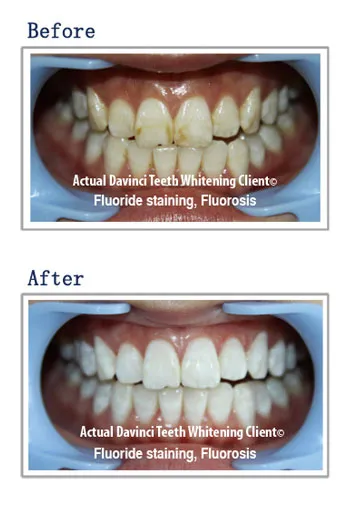
While most individuals undergoing DaVinci teeth whitening experience only mild and temporary side effects, there are some less common complications to be aware of. These can include allergic reactions, changes in tooth color, and, in rare cases, more severe dental issues. Knowing about these less frequent side effects allows you to be vigilant and seek prompt professional help if needed. Although these complications are not common, they underscore the importance of choosing a qualified provider and following all pre- and post-treatment instructions. Discussing your concerns with your dentist can help alleviate anxiety and ensure a smooth, successful whitening experience. The following sections provide detailed information about these less common potential side effects and how to handle them.
Allergic Reactions & Considerations
Although rare, some individuals may experience an allergic reaction to the ingredients in DaVinci teeth whitening products. Symptoms of an allergic reaction can include swelling of the gums or lips, rash, itching, or difficulty breathing. If you experience any of these symptoms, seek immediate medical attention. Prior to the treatment, disclose any known allergies to your dentist, who can then take precautions to avoid potential allergic reactions. Your dentist might perform an allergy test to confirm or rule out an allergy to the whitening agents. It is essential to communicate openly with your dental professional about any previous allergic reactions and the overall health conditions you have.
Changes in Tooth Color
In some instances, DaVinci teeth whitening can lead to uneven tooth color or a slightly unnatural appearance. This can occur if the whitening agent does not penetrate the enamel evenly, or if the underlying tooth structure has intrinsic staining that the whitening treatment cannot fully address. This is more common in individuals with existing fillings, crowns, or veneers, as the whitening agent only affects natural tooth enamel. If this occurs, it may be possible to correct the issue with additional whitening treatments or other cosmetic dental procedures, such as veneers. Discussing your expectations and any existing dental work with your dentist before treatment is essential. This helps the dentist to manage your expectations and recommend the most suitable solution to achieve the desired outcome.
Mitigating DaVinci Teeth Whitening Side Effects

Several steps can be taken to minimize the potential side effects of DaVinci teeth whitening and ensure a comfortable experience. Following the dentist’s instructions, choosing a reputable provider, and using appropriate aftercare can significantly reduce the risks of adverse reactions. By taking the following precautions, you can increase the likelihood of achieving a brighter smile while protecting your oral health. Being proactive in the process will help you have a pleasant and successful experience, leading to confidence and a healthier, brighter smile. Implementing the discussed strategies and engaging in open communication with your dentist are key to achieving the best possible results.
Choosing a Reputable Provider
Selecting a qualified and experienced dental professional is crucial for a safe and effective DaVinci teeth whitening experience. Researching potential providers, reading reviews, and ensuring that the dentist is licensed and uses professional-grade products will help you avoid complications. A skilled dentist will assess your oral health, determine if you’re a suitable candidate, and explain the potential risks and benefits. They will also follow best practices to minimize any discomfort or side effects. Do not hesitate to ask questions about the process, the products used, and the provider’s experience. A reputable provider will be transparent and willing to address your concerns. Ensure that the dental practice adheres to strict hygiene and safety protocols to minimize the risk of any infection or other complications.
Aftercare Tips for Whitening
Proper aftercare plays a significant role in reducing the potential side effects of DaVinci teeth whitening. Your dentist will provide specific instructions, but some general guidelines include: avoiding staining foods and drinks (such as coffee, tea, red wine, and berries) for at least 24-48 hours after the treatment, using toothpaste formulated for sensitive teeth, and brushing gently to avoid irritating your gums. If you experience sensitivity, consider using a fluoride rinse to strengthen your enamel. Follow all your dentist’s advice carefully, and attend any follow-up appointments as scheduled. Maintaining good oral hygiene is essential not only for maintaining the results of the whitening treatment but also for preserving your overall oral health. Remember to stay well-hydrated and to avoid smoking or using tobacco products to extend the longevity of your brighter smile.
Alternatives to DaVinci Teeth Whitening
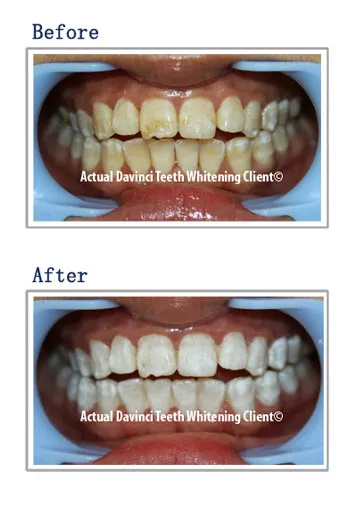
While DaVinci teeth whitening is a popular and effective method for brightening your smile, several alternatives may be suitable depending on your individual needs and preferences. These include over-the-counter whitening products, such as whitening strips and toothpastes, which may offer milder results. Another option is professional teeth whitening treatments, that may offer more customized and potent results, and may be more appropriate for certain types of stains or discolorations. Additionally, cosmetic dental procedures such as veneers and crowns may be considered for more severe staining or structural issues. Consulting with your dentist will help you determine the best approach for your specific situation, taking into account your oral health, desired outcomes, and potential risks. This collaborative approach ensures that you achieve a radiant smile in the healthiest and most appropriate way possible.
Conclusion
Achieving a brighter, more confident smile through DaVinci teeth whitening involves understanding the potential side effects and taking appropriate precautions. While common side effects like sensitivity and gum irritation are usually temporary and manageable, being aware of the less frequent risks is essential. By choosing a reputable provider, following aftercare instructions, and discussing any concerns with your dentist, you can minimize the risks and enjoy the benefits of a brighter smile. Remember that individual experiences can vary, and the best approach is always to prioritize your oral health and seek professional advice before any cosmetic dental procedure. With the right knowledge and care, DaVinci teeth whitening can be a safe and effective way to achieve the smile of your dreams. Prioritize your oral health by following these guidelines, seeking expert advice, and communicating openly with your dental provider.