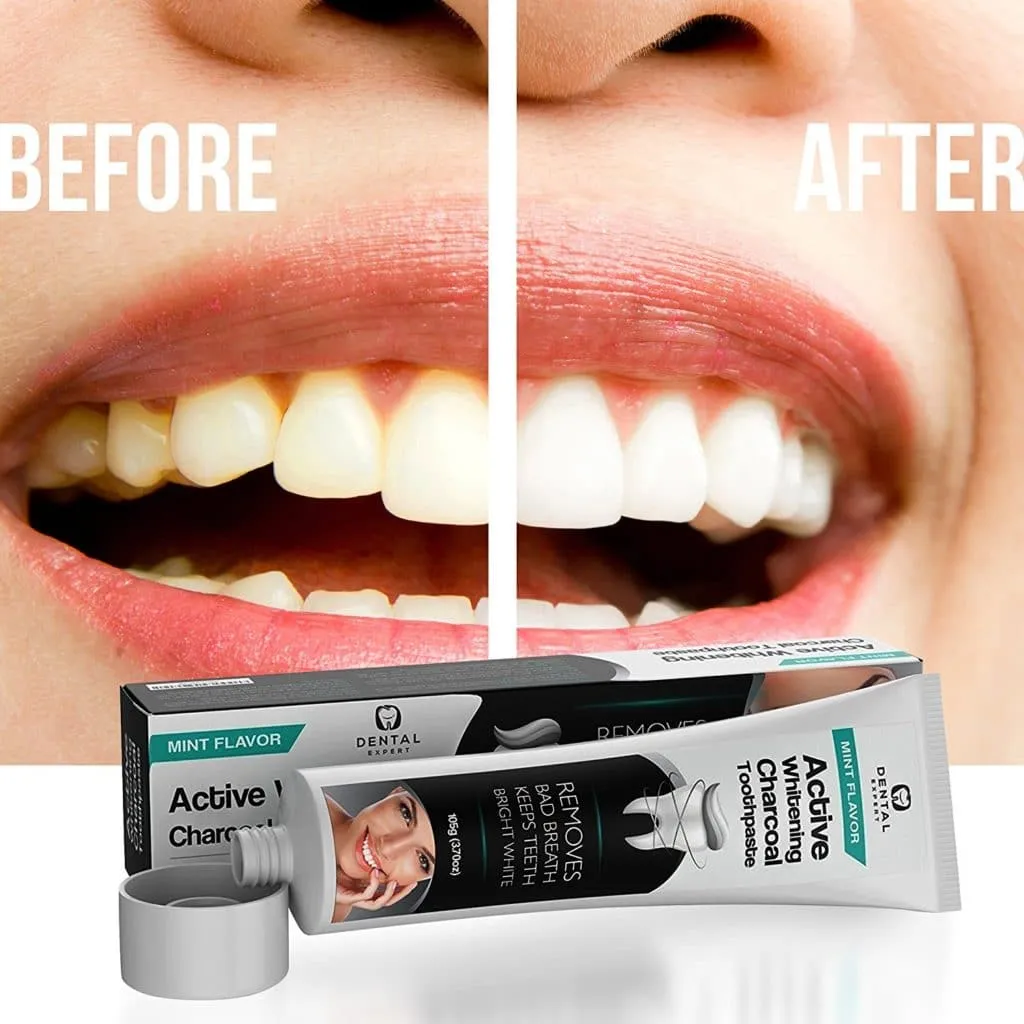
Charcoal Teeth Whitening Top 5 Facts
Charcoal teeth whitening has become a popular trend, promising a brighter smile with the use of activated charcoal. But does it live up to the hype? This review dives into the top 5 facts you need to know, combining insights from dental professionals and scientific research to provide a comprehensive understanding of charcoal teeth whitening. From its effectiveness and safety to cost and expected results, this article will help you make an informed decision about whether charcoal teeth whitening is right for you. Understanding the pros and cons is essential before incorporating any new dental practice into your routine, ensuring both aesthetic improvements and the preservation of your oral health. Before diving into charcoal teeth whitening, consulting with your dentist can provide personalized advice based on your specific oral health needs. Considering both the potential benefits and risks is critical when evaluating this increasingly popular method.
Fact 1 Effectiveness of Charcoal
The primary appeal of charcoal teeth whitening is its promise to remove stains and brighten teeth. Activated charcoal, a fine black powder, is believed to absorb impurities and stains from the teeth’s surface. The porous nature of charcoal is thought to trap stain molecules, leading to a perceived whitening effect. However, the extent of this effect is often debated, and the results can vary from person to person. Some individuals may see a noticeable difference, while others may experience minimal change. It’s crucial to approach these claims with a balanced perspective, recognizing that the efficacy of charcoal teeth whitening can depend on the type and severity of stains and the frequency of use.
Does Charcoal Really Whiten Teeth

The whitening effect of charcoal is often attributed to its ability to remove surface stains from coffee, tea, and other foods that can discolor teeth. By polishing the teeth, charcoal can help to create the illusion of whiter teeth. However, charcoal is not a bleaching agent, meaning it cannot change the intrinsic color of the teeth the way professional whitening treatments can. Therefore, the whitening results are generally limited to the removal of external stains. This is why the effectiveness of charcoal varies among individuals; those with significant internal discoloration may not see noticeable improvements. Regular use of charcoal can contribute to a cleaner surface but may not achieve dramatic whitening results.
Scientific Evidence and Studies
Scientific evidence supporting the effectiveness of charcoal teeth whitening is limited. Several studies have investigated the use of charcoal, but the results have been inconclusive. Some studies suggest that charcoal can help remove surface stains, while others have found no significant difference compared to using a regular toothpaste. The lack of robust scientific data raises questions about the claims made by charcoal teeth whitening products. Therefore, it’s essential to base your expectations on the best available evidence. Consulting with a dentist will also help you get a tailored and professional opinion. More research is needed to fully understand the potential benefits and risks associated with charcoal teeth whitening.
Fact 2 Safety Concerns
While charcoal teeth whitening is generally considered safe when used correctly, there are potential safety concerns that should be addressed. The abrasive nature of charcoal is one of the primary areas of concern. Over time, excessive abrasion can damage the enamel, the protective outer layer of the teeth. This can lead to increased sensitivity, a higher risk of cavities, and permanent damage to the teeth’s structure. It’s crucial to understand the potential risks and use charcoal products cautiously. The potential consequences of abrasive use underscore the importance of moderation and consultation with a dental professional, especially when considering the long-term effects on oral health.
Abrasiveness and Enamel Damage

Activated charcoal can be abrasive, and its repeated use can wear down the enamel. Enamel is the hardest substance in the human body, but it’s also susceptible to erosion from abrasive materials. As enamel erodes, the underlying dentin becomes more exposed, leading to increased sensitivity to hot and cold foods and drinks. Enamel erosion is irreversible. The use of charcoal products should be carefully monitored, and the brushing technique must be gentle to minimize abrasion. If you experience increased sensitivity or notice any changes in your teeth, it’s essential to discontinue use and consult with your dentist to ensure no damage is done. The long-term health of your teeth should always be the top priority.
Sensitivity and Irritation
Some individuals may experience increased sensitivity or irritation of the gums when using charcoal teeth whitening products. The abrasive nature of charcoal can sometimes irritate the soft tissues in the mouth. This can lead to redness, swelling, and discomfort. If you have sensitive teeth or gums, the use of charcoal may exacerbate these conditions. Furthermore, it’s crucial to be mindful of how often and how aggressively you brush with charcoal. If you experience any discomfort, discontinue use and consult a dentist. This approach ensures your oral health is preserved while using this product. Always prioritize gentle care and observe how your mouth reacts to the treatment to ensure overall well-being.
Fact 3 Dentist’s Recommendations
Dental professionals often have varying opinions on the use of charcoal teeth whitening products. Many dentists may advise caution due to the potential risks of enamel damage and increased sensitivity. They may also recommend alternative whitening methods with scientifically proven results. Consulting with a dentist is essential before starting any new dental care regimen, including charcoal teeth whitening. Their expertise can help assess your oral health, identify potential risks, and provide tailored advice. A dentist can explain the process of whitening and help you understand what to expect. Always put your dentist’s recommendations first for the best oral health.
Professional Opinions on Charcoal

Many dentists are skeptical about the effectiveness and safety of charcoal teeth whitening. They often express concerns about the abrasive nature of charcoal and its potential to damage tooth enamel. Dentists typically recommend professional teeth whitening treatments, which have been scientifically proven to be safe and effective. Before you use charcoal, you should consult your dentist to know whether it is safe for your specific needs. They can offer advice on the best ways to maintain oral health and prevent any damage.
Alternatives to Charcoal
Dentists typically recommend proven methods for teeth whitening over charcoal. These include professional in-office treatments and at-home whitening kits that use dentist-approved formulations. These methods are designed to be safe and effective while minimizing the risk of damage to enamel. In-office whitening treatments provide immediate results. At-home kits, usually used with custom-made trays, gradually lighten teeth. These alternatives provide a safer, more predictable outcome and are backed by scientific evidence. A dentist can help you decide which option is best for you, depending on your needs and overall oral health.
Fact 4 Cost Comparison
The cost of charcoal teeth whitening products is generally lower than professional whitening treatments. Charcoal toothpaste and powders are readily available over the counter at drugstores and online retailers. These products are often a more affordable option for those looking to brighten their smile. However, the long-term cost of charcoal may be higher if it leads to dental problems that require professional treatment. While charcoal products may appear cheap initially, professional treatments have a more reliable outcome and are supervised by dental professionals. Comparing the costs and potential long-term benefits of each option is important to making an informed choice.
Charcoal vs Professional Whitening Costs

Charcoal teeth whitening products are significantly cheaper than professional whitening treatments, which can cost several hundred dollars. The price difference reflects the complexity and effectiveness of the treatment. Professional treatments involve custom-made trays, stronger bleaching agents, and the expertise of a dentist. These methods are designed to deliver better results and are safer than charcoal. It’s important to factor in potential dental visits to fix damages caused by charcoal teeth whitening when considering the cost. Evaluating both the upfront cost and the potential long-term costs can guide you in determining which is best for your budget and your overall oral health.
Value for Money
The value for money of charcoal teeth whitening depends on your expectations and oral health. While the initial cost is low, the results may be minimal or temporary, with no guarantee of significant whitening. Professional whitening treatments offer more predictable, longer-lasting results and come with the assurance of dental supervision. When assessing value, consider both the immediate and potential long-term outcomes of each option. Although professional whitening is more expensive, the improved and lasting results can provide greater value. Making an informed decision about teeth whitening involves weighing costs against the outcomes.
Fact 5 Expected Results
The expected results from charcoal teeth whitening vary widely. Some people see a slight improvement in the brightness of their teeth, while others may not notice any change. The effectiveness depends on several factors, including the type and severity of stains, the frequency of use, and individual tooth enamel characteristics. It’s important to have realistic expectations and understand that charcoal is not a substitute for professional whitening treatments. Results often focus on removing surface stains rather than altering the internal color of the teeth. Keeping your expectations realistic and consulting with a dentist is crucial. Remember that the ultimate outcome can vary based on your individual oral health.
Realistic Expectations for Whitening

It’s crucial to set realistic expectations for what charcoal teeth whitening can achieve. Charcoal is most effective at removing surface stains, which can make teeth appear cleaner. However, it cannot change the underlying color of your teeth. For those seeking significant whitening, professional treatments are usually more effective. Before using charcoal, consider your current tooth shade and the type of stains you have. If you have internal discoloration or deep stains, charcoal may not deliver the results you want. Setting realistic expectations prevents disappointment and helps you make the best choice. If your goal is dramatic whitening, consider professional options.
Maintenance and Long-Term Results
If charcoal teeth whitening is used, proper maintenance is crucial for long-term results. This includes brushing your teeth gently and regularly. It is advised to use fluoride toothpaste to strengthen enamel. Also, limiting the consumption of stain-causing foods and drinks, such as coffee, tea, and red wine, will help to maintain the results. Regular dental checkups and professional cleanings are necessary to monitor your oral health and address any potential issues. Without careful maintenance, any whitening effects may fade quickly. Maintaining good oral hygiene and lifestyle choices is essential for maintaining the results and ensuring long-term dental health.
In conclusion, charcoal teeth whitening can be a viable option for some individuals, but it’s crucial to understand its limitations and potential risks. This review has provided you with the top 5 facts you need to know about charcoal teeth whitening, helping you make a more informed decision regarding your oral health. Always consult with your dentist before using charcoal teeth whitening products. By weighing the benefits and risks, you can ensure the health and beauty of your smile.