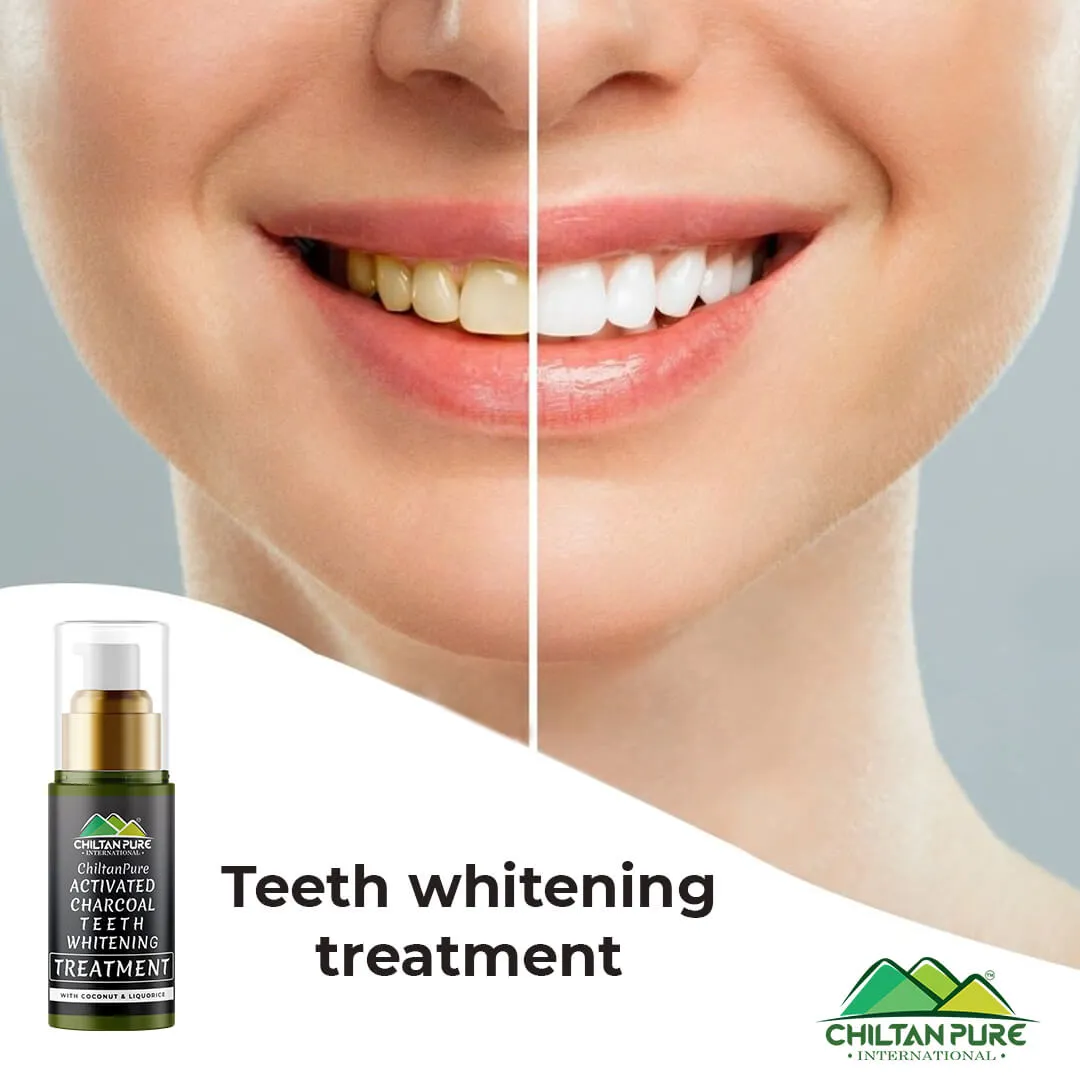
Are you dreaming of a dazzling, bright smile without the hefty price tag of professional whitening treatments? Charcoal teeth whitening has emerged as a popular, affordable, and seemingly natural solution. But does it live up to the hype? This comprehensive guide dives deep into the world of charcoal teeth whitening, exploring how it works, its effectiveness, safety, and how you can achieve a brighter smile using this method. Get ready to uncover the secrets to a radiant smile, potentially saving you time and money along the way.
What is Charcoal Teeth Whitening
Charcoal teeth whitening involves using activated charcoal, a fine black powder derived from various sources such as coconut shells, wood, or other organic materials. Activated charcoal is processed to increase its absorbency, making it highly effective at trapping impurities. In the context of oral hygiene, activated charcoal is believed to bind to stains and remove them from the surface of the teeth. Unlike traditional teeth whitening methods that use bleaching agents, charcoal teeth whitening is often marketed as a natural alternative. The appeal of charcoal lies in its accessibility, affordability, and the perception of being a less harsh treatment than chemical-based options. However, it is very important to know the right way and to understand the safety of this product before using it.
How Charcoal Whitens Teeth
The primary mechanism by which charcoal is thought to whiten teeth is through abrasion. Activated charcoal has a porous surface that can attract and bind to stains caused by food, drinks (like coffee, tea, and red wine), and tobacco. When used to brush teeth, the charcoal particles gently scrub away these surface stains, revealing the natural color of the enamel underneath. It’s important to note that charcoal does not change the intrinsic color of the teeth; it only removes external stains. This is a significant difference from professional whitening treatments that use peroxide-based bleaching agents to penetrate the enamel and alter the internal color of the tooth structure. The effectiveness of charcoal, therefore, depends on the type and severity of the stains present.
The Science Behind Charcoal’s Effect

While charcoal’s ability to remove surface stains is well-documented, scientific evidence supporting its teeth-whitening capabilities is limited. Most studies are small or lack robust methodologies. The abrasive nature of charcoal is the key to its action, as it helps to dislodge the staining particles. However, the abrasiveness can also be a concern because excessive or improper use may damage the enamel. The scientific consensus is that charcoal’s effectiveness varies from person to person and depends on the specific product and the user’s brushing technique. Always consult with a dentist to get professional advice.
Effectiveness and Safety
The effectiveness of charcoal teeth whitening largely depends on the type and severity of stains. It works best on surface stains, such as those from coffee, tea, and smoking. For deeper stains or intrinsic discoloration, charcoal may have limited impact. Safety is another critical consideration. The abrasiveness of charcoal can, over time, wear away the enamel, leading to increased sensitivity and a higher risk of cavities. Moreover, the lack of fluoride in many charcoal products means the teeth might not receive the cavity-fighting benefits that are common in toothpaste. Thus, while some users report positive results, it’s essential to balance these anecdotal experiences with the potential risks to ensure long-term oral health. A cautious approach and a good understanding are critical.
Does Charcoal Damage Enamel
One of the primary concerns with charcoal teeth whitening is its potential to damage tooth enamel. Enamel is the hard, protective outer layer of the teeth, and once it’s worn away, it cannot be replaced. The abrasiveness of charcoal, which is the key to its stain-removing properties, can also erode enamel if used too aggressively or frequently. This erosion can lead to tooth sensitivity, as the underlying dentin, which contains nerve endings, becomes exposed. It can also make teeth more vulnerable to cavities and decay. The level of abrasiveness varies among different charcoal products, so it’s crucial to choose products with low abrasivity and to use them with caution. Dentists often advise against prolonged or daily use of charcoal-based products to minimize the risk of enamel damage. Proper brushing technique is also important to avoid causing more harm to your teeth.
Best Charcoal Teeth Whitening Methods

There are several ways to incorporate charcoal into your oral hygiene routine, each with its own pros and cons. The most common methods include using DIY charcoal paste, charcoal toothpaste, and charcoal powder. Each method requires careful consideration to minimize the risk of enamel damage. The choice of method depends on personal preference and the desired level of convenience. Regardless of the method chosen, it is essential to use charcoal products as directed and to listen to your dentist’s advice. Furthermore, you can use a soft-bristled toothbrush to minimize the abrasive action on your teeth. This way, you can see positive results without compromising your long-term oral health.
DIY Charcoal Whitening Paste
Creating your own charcoal whitening paste is a simple and cost-effective way to try this method. This allows you to control the ingredients and potentially reduce the risk of harsh additives. While this method may seem appealing, it’s crucial to use high-quality activated charcoal powder and to use it sparingly. One advantage of making your own paste is the flexibility to add ingredients that you find beneficial, such as a small amount of coconut oil for its antibacterial properties or a pinch of baking soda to boost the whitening effect. It is very important to note that baking soda is also abrasive, so moderation is essential. Before committing to the DIY approach, consult a dentist to ensure that you are not using any ingredients that are not suitable for your teeth.
Step-by-Step Guide to Making Charcoal Paste
Making your own charcoal paste is very simple. You will need activated charcoal powder, water, and optionally, coconut oil or a few drops of peppermint essential oil for flavor. Combine a small amount of activated charcoal powder (about half a teaspoon) with enough water to form a paste. Mix well until you get a smooth consistency. If desired, add a teaspoon of coconut oil. Use this paste to brush your teeth gently. Brush your teeth for about two minutes. Rinse your mouth thoroughly with water. It’s important to start with this method, even if you want to add additional ingredients such as mint essential oil. This is to ensure that you have no allergic reaction to the product.
Using Charcoal Toothpaste

Charcoal toothpaste is a commercially available option that offers convenience and usually includes other beneficial ingredients like fluoride. These toothpastes are formulated to have the correct abrasiveness and include other ingredients that you might be missing from other forms of charcoal. When using charcoal toothpaste, follow the directions on the product label. Brush your teeth twice daily for about two minutes each time. You can use the same technique you use with regular toothpaste, making sure you cover all surfaces of your teeth. Be mindful of the product’s abrasiveness, and if you experience any sensitivity, reduce the frequency of use or consult your dentist. Many brands of charcoal toothpaste also contain fluoride, which is an important component of a toothpaste to protect the enamel and to prevent cavities.
Tips for Effective Whitening with Charcoal
To maximize the benefits and minimize the risks of charcoal teeth whitening, consider these tips. First, select a charcoal product with a low RDA (Relative Dentin Abrasion) value, which indicates its abrasiveness. The lower the RDA, the less abrasive the product. Second, brush gently. Use a soft-bristled toothbrush and avoid applying too much pressure. This helps to reduce the risk of enamel damage. Third, use charcoal sparingly. Do not use it daily, or as a substitute for regular toothpaste. Four, consult your dentist. Discuss charcoal teeth whitening with your dentist before you start. This ensures that your method is suitable for your oral health. Five, follow up with fluoride toothpaste. Use a fluoride toothpaste after using charcoal to provide the necessary minerals and protection for your teeth. Six, watch for sensitivity. If you experience increased tooth sensitivity, stop using charcoal immediately. Finally, be patient, as results may take time and persistence.
Choosing the Right Charcoal Product
Choosing the right charcoal product is essential for achieving the desired whitening effect while minimizing the risk of dental damage. When selecting a charcoal product, consider the RDA value, which indicates how abrasive it is. Look for products with a low RDA value. Consider the ingredients list. Avoid products with added chemicals that may cause irritation or other problems. Read reviews from other users to determine the product’s effectiveness and any potential side effects. Ensure the product has been tested by a reputable laboratory to verify its quality and safety. Also, check the product’s packaging for information on the recommended frequency of use and instructions for use. These steps will help you make an informed decision and select a product that is appropriate for your oral health needs.
Maintaining Your Bright Smile

Maintaining your bright smile after using charcoal teeth whitening involves adopting and maintaining good oral hygiene practices. Regular brushing with fluoride toothpaste is crucial for removing plaque, preventing cavities, and protecting your enamel. Flossing daily is also essential to remove food particles and plaque from between your teeth and gums, preventing gum disease and decay. Consider dietary changes and avoid or limit foods and drinks that cause stains, such as coffee, tea, red wine, and sugary treats. Regular dental check-ups and professional cleanings are essential for maintaining optimal oral health and addressing any potential problems early. During these visits, your dentist can assess the effectiveness of your whitening efforts and make personalized recommendations to keep your smile bright. Using charcoal products with caution and following up with standard dental hygiene can help you achieve a healthy, bright smile.
In conclusion, while charcoal teeth whitening can be a cost-effective way to remove surface stains and brighten your smile, it’s important to approach it with caution. By understanding how charcoal works, considering its potential risks, and following the tips outlined in this guide, you can make an informed decision. Remember to prioritize your long-term oral health, consult with your dentist, and maintain a consistent oral hygiene routine for a healthy, radiant smile.