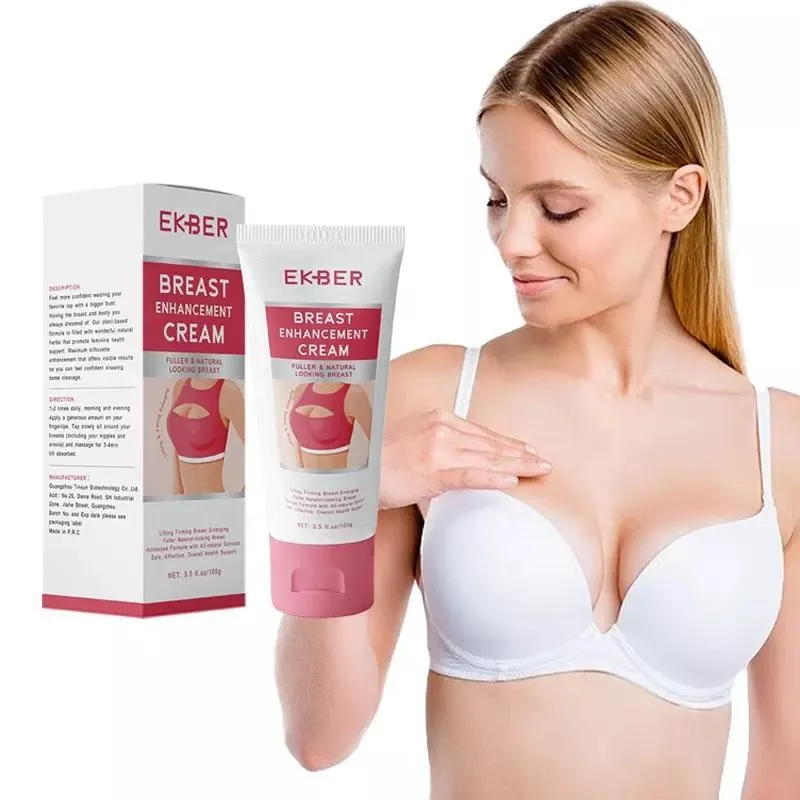
What is Breast Whitening?
Breast whitening refers to cosmetic procedures and treatments aimed at reducing hyperpigmentation or discoloration on the skin of the breasts. It’s a process designed to even out the skin tone and improve the overall appearance of the breast area. Many factors can contribute to darker skin in this region, including hormonal changes, sun exposure, and friction from clothing. The goal of breast whitening is to lighten the skin, restore a more uniform color, and boost self-confidence. This can be achieved through various methods, from over-the-counter creams to professional treatments offered by dermatologists and cosmetic clinics. Understanding the underlying causes of skin discoloration is crucial to selecting the most effective and safe whitening approach. Proper research and consultation with a healthcare professional are paramount before undergoing any whitening procedure.
Understanding Hyperpigmentation on Breasts
Hyperpigmentation on the breasts is characterized by the darkening of the skin, which can range from mild discoloration to more significant patches. This condition occurs when there’s an overproduction of melanin, the pigment responsible for skin color. Several factors contribute to this increased melanin production, including hormonal imbalances, exposure to ultraviolet (UV) radiation, and skin irritation. The appearance of hyperpigmentation can vary depending on the individual’s skin type, the cause of the discoloration, and the extent of the affected area. Common manifestations include darkened spots, uneven skin tone, and patches of darker skin around the nipples or the underbust region. Recognizing the specific type of hyperpigmentation is the first step in determining the appropriate treatment, as different causes require different approaches. Seeking a professional diagnosis from a dermatologist is highly recommended to accurately identify the condition and rule out any underlying medical concerns.
Causes of Breast Skin Discoloration

Several factors can cause breast skin discoloration. Understanding these causes is essential for effective prevention and treatment. One primary cause is hormonal changes, such as those experienced during pregnancy, breastfeeding, or menopause. These hormonal shifts can trigger increased melanin production, leading to darkening of the skin. Another significant factor is sun exposure; UV rays stimulate melanin production, causing tanning and, in some cases, hyperpigmentation. Friction and irritation from clothing, especially tight-fitting bras or rough fabrics, can also contribute to skin discoloration. Additionally, certain medical conditions or medications can affect skin pigmentation. Identifying the specific cause is crucial for tailoring the appropriate treatment plan and preventing further discoloration. Consulting a healthcare professional can help pinpoint the root cause and guide you toward the most effective solutions for your individual situation.
Hormonal Changes and Their Effects
Hormonal fluctuations play a significant role in breast skin discoloration. Hormones like estrogen and progesterone influence melanin production. During pregnancy, the surge in these hormones can cause the skin to darken, particularly around the nipples and areolas. Breastfeeding can also trigger similar changes. Menopause brings about another set of hormonal shifts that can affect skin pigmentation. These hormonal changes often lead to uneven skin tone and darker patches. Recognizing the connection between hormonal fluctuations and skin discoloration can help you anticipate these changes and take preventative measures. This includes using sun protection and being mindful of skin care routines during these periods. In some cases, consulting a doctor about hormone therapy or other treatments may be beneficial, but it’s always important to weigh the risks and benefits.
Sun Exposure and Its Impact
Sun exposure is a major contributor to breast skin discoloration. UV rays stimulate the production of melanin, which, over time, leads to tanning and, in some cases, hyperpigmentation. Prolonged exposure to the sun without adequate protection can result in uneven skin tone, sunspots, and other forms of damage. The delicate skin on the breasts is particularly vulnerable to sun damage. It’s essential to protect the area from sun exposure by using a broad-spectrum sunscreen with a high SPF, especially when outdoors. Reapplying sunscreen every two hours, particularly after swimming or sweating, is crucial. Wearing protective clothing, such as a sun-protective top or covering the chest with a scarf, can provide an additional layer of defense. Regular skin checks are also recommended to monitor any changes and address sun-related damage promptly.
Irritation from Undergarments

Irritation from undergarments, especially those made of rough fabrics or that fit too tightly, can lead to skin discoloration on the breasts. Friction and pressure from ill-fitting bras can cause irritation and inflammation, triggering increased melanin production. This can result in darker patches, uneven skin tone, and discomfort. Choosing the right bra size and style is essential for preventing this issue. Opt for bras made of soft, breathable materials like cotton, and avoid those with harsh seams or underwires that rub against the skin. Regular washing of bras can also help remove sweat and bacteria, reducing the risk of irritation. If you notice any signs of irritation or discoloration, consider switching to a different type of bra or seeking advice from a professional bra fitter. Taking proactive steps to prevent irritation can significantly reduce the likelihood of skin discoloration.
Best Breast Whitening Methods
Various methods are available for breast whitening, each with its own advantages and considerations. The best approach often depends on the individual’s skin type, the severity of the discoloration, and personal preferences. Options range from over-the-counter topical creams to professional treatments performed by dermatologists or cosmetic specialists. Combining different methods can also enhance results, but it’s essential to consult with a healthcare professional before starting any treatment. This ensures that the chosen method is safe and effective for your specific needs. A comprehensive approach often includes proper skincare, protection from sun exposure, and maintenance to preserve the results. Consider the potential side effects, cost, and expected outcomes of each method before making a decision.
Topical Creams and Serums
Topical creams and serums are a popular option for breast whitening because they are readily accessible and can be used at home. Many of these products contain active ingredients that work to reduce melanin production and brighten the skin. Common ingredients include hydroquinone, kojic acid, arbutin, and vitamin C. Hydroquinone is a potent skin-lightening agent, but it can have potential side effects and should be used under the guidance of a dermatologist. Kojic acid and arbutin are natural alternatives that can help lighten the skin. Vitamin C is a powerful antioxidant that can brighten the skin and protect against damage. When choosing a topical product, it’s essential to read the label carefully and check for any potential allergens. Always perform a patch test before applying the product to a larger area. Using these creams and serums consistently, as directed, can lead to noticeable improvements over time.
Ingredients to Look For

When selecting topical creams and serums for breast whitening, knowing what ingredients to look for is essential. Hydroquinone is a strong skin-lightening agent, but it requires careful use and should be obtained with a prescription. Kojic acid, derived from fungi, can inhibit melanin production. Arbutin, found in various plants, is a natural alternative to hydroquinone and works similarly. Vitamin C, a potent antioxidant, brightens the skin and protects against free radical damage. Niacinamide, a form of vitamin B3, can improve skin tone and reduce hyperpigmentation. Retinoids, derived from vitamin A, can promote skin cell turnover and improve skin texture. Always choose products from reputable brands and check for certifications. Avoid products with harsh chemicals or fragrances that could irritate the skin. Consult with a dermatologist for personalized recommendations based on your skin type and concerns.
Professional Treatments
Professional treatments for breast whitening offer more intensive solutions for reducing skin discoloration. These procedures are typically performed by dermatologists or trained cosmetic specialists and provide results that may be superior to those achieved with at-home treatments. Professional treatments often require multiple sessions to achieve optimal results. Common options include chemical peels and laser therapy, each with its specific mechanisms of action and potential benefits. Consulting with a qualified professional ensures that the chosen treatment is suitable for your skin type and the severity of your condition. Before undergoing any procedure, a thorough consultation will assess your skin and discuss potential risks and benefits. Aftercare instructions should be followed carefully to minimize side effects and maximize results. Professional treatments provide advanced options for those seeking significant improvements in skin tone and texture.
Chemical Peels
Chemical peels involve applying a chemical solution to the skin to exfoliate and remove the top layers, revealing fresher, brighter skin underneath. Different types of chemical peels are available, ranging from mild to deep, depending on the strength of the solution used. The process encourages the growth of new skin cells, which can improve skin tone and reduce hyperpigmentation. Chemical peels can address various concerns, including uneven skin tone, sun damage, and age spots. The number of sessions required depends on the type of peel and the desired outcome. Before undergoing a chemical peel, a consultation with a dermatologist is crucial to determine the appropriate peel for your skin type and to discuss potential risks. After the procedure, proper aftercare is essential, including avoiding sun exposure and using gentle skincare products. Chemical peels offer a more aggressive approach to skin brightening, providing noticeable results with appropriate care and follow-up.
Laser Therapy

Laser therapy is another professional treatment option for breast whitening, using focused light to target and break down melanin in the skin. Different types of lasers are available, each designed to address specific skin concerns. Laser treatments can effectively reduce hyperpigmentation, sunspots, and uneven skin tone. The laser energy stimulates collagen production, leading to improved skin texture and a more youthful appearance. Laser therapy typically requires multiple sessions for optimal results. Before undergoing laser treatment, a consultation with a qualified professional is necessary to determine if it’s the right choice for your skin type and concerns. The procedure itself is usually well-tolerated, but some patients may experience mild discomfort or redness. Aftercare involves protecting the treated area from sun exposure and following any specific instructions provided by the practitioner. Laser therapy offers a targeted and effective approach to skin brightening, providing long-lasting results with appropriate care.
Home Remedies and Natural Approaches
Home remedies and natural approaches offer alternative options for breast whitening, often using ingredients readily available. These methods can be gentler than professional treatments and can be incorporated into your skincare routine. It’s important to approach home remedies with caution, as their effectiveness can vary, and some ingredients may cause irritation. Always perform a patch test before applying any new treatment to a larger area. Popular home remedies include exfoliation techniques and the use of homemade masks and recipes. Natural approaches should be combined with a consistent skincare routine, sun protection, and lifestyle changes to achieve the best results. Results may take time to appear, and it is advisable to consult with a dermatologist for guidance and to ensure these methods are appropriate for your skin type. Home remedies provide a supportive addition to a broader skin brightening plan.
Exfoliation Techniques
Exfoliation is a key step in any skin-brightening routine, as it helps to remove dead skin cells and promote cell turnover. Gentle exfoliation can help to lighten the skin by removing the top layers of pigmented cells. Several techniques can be used, including physical exfoliation with scrubs or brushes and chemical exfoliation with products containing AHAs (alpha-hydroxy acids) or BHAs (beta-hydroxy acids). When exfoliating the breast area, it’s important to use gentle, non-abrasive products to avoid irritation. Exfoliating 1-2 times per week is often sufficient. Avoid harsh scrubbing, as it can cause inflammation and worsen hyperpigmentation. After exfoliation, apply a moisturizer to hydrate the skin. Combining exfoliation with other skin-brightening methods can enhance the results and improve overall skin tone and texture. Always perform a patch test before trying any new exfoliation method.
Homemade Masks and Recipes

Homemade masks and recipes can be a fun and natural way to support skin brightening. Many ingredients found in your kitchen can be used to create masks that can help reduce hyperpigmentation. Ingredients like lemon juice, yogurt, honey, and turmeric are often used for their skin-brightening properties. Lemon juice contains citric acid, a natural exfoliant, but it should be used with caution and diluted, as it can be irritating. Yogurt and honey have moisturizing and soothing properties. Turmeric is known for its anti-inflammatory and antioxidant benefits. When creating homemade masks, use fresh, high-quality ingredients and avoid any that you may be allergic to. Apply the mask to clean skin and leave it on for the recommended time, usually 10-20 minutes. Rinse thoroughly with lukewarm water and apply a moisturizer. Always perform a patch test before applying any mask to a larger area and discontinue use if you experience any irritation.
Essential Oils for Skin Brightening
Certain essential oils have properties that can aid in skin brightening. Essential oils should always be diluted in a carrier oil before application to avoid skin irritation. Some oils known for their skin-brightening potential include lemon, tea tree, and lavender. Lemon essential oil contains citric acid and can help exfoliate and brighten skin, but use it cautiously due to its photosensitivity. Tea tree oil has antiseptic and anti-inflammatory properties, which can help soothe irritated skin. Lavender oil has soothing and calming effects and can help reduce inflammation. Always perform a patch test before using any essential oil. Mix a few drops of the essential oil with a carrier oil, such as jojoba or almond oil, before applying it to your skin. Avoid applying essential oils to broken or irritated skin. Essential oils should complement a comprehensive approach to skin brightening, including proper skincare and sun protection.
Important Safety Precautions
Before embarking on any breast whitening journey, it’s essential to prioritize safety. Consulting a dermatologist is the most important step, as they can assess your skin type and recommend safe and effective treatments. Always perform a patch test before trying any new product or treatment to check for allergic reactions or irritation. Protect your skin from sun exposure by using broad-spectrum sunscreen daily, even on cloudy days. Be cautious of products containing hydroquinone, as long-term use can have side effects. Follow all instructions carefully when using topical creams or undergoing professional treatments. Avoid harsh scrubbing or aggressive exfoliation, which can cause irritation and worsen hyperpigmentation. If you experience any adverse reactions, such as redness, itching, or burning, discontinue use and consult a healthcare professional. Prioritizing safety will help ensure a positive and successful outcome.
Consulting a Dermatologist

Consulting a dermatologist is crucial before starting any breast whitening treatment. A dermatologist can accurately diagnose the cause of skin discoloration, which is the first step in choosing the right treatment. They can assess your skin type, medical history, and any underlying conditions that might affect the treatment. A dermatologist can provide personalized recommendations based on your individual needs. They can also prescribe medications or recommend professional treatments that are safe and effective for your skin. They can educate you about potential risks and side effects associated with various treatments and answer any questions you may have. Regular follow-up appointments with a dermatologist can help monitor your progress and adjust your treatment plan as needed. A professional consultation ensures that you’re pursuing safe, evidence-based treatments.
Patch Testing
Patch testing is a vital safety precaution before applying any new product or treatment to a larger area of skin. It involves applying a small amount of the product to a discreet area, such as the inner arm or behind the ear, and monitoring for any adverse reactions. This helps identify potential allergies, sensitivities, or irritations before widespread use. Apply a small amount of the product to the chosen area and leave it on for the recommended time, usually 24-48 hours. Observe the area for signs of redness, itching, burning, or any other unusual changes. If you experience any adverse reactions, discontinue use immediately. If no adverse reactions occur, you can proceed with using the product as directed on a larger area. Patch testing is a simple, effective way to minimize the risk of allergic reactions and ensure that a product is safe for your skin.
Aftercare and Maintenance
Aftercare and maintenance are crucial for achieving and sustaining results from breast whitening treatments. Following the instructions provided by your dermatologist or skincare professional is essential. Protect the treated area from sun exposure by applying a broad-spectrum sunscreen with a high SPF daily. Avoid harsh soaps, scrubs, or irritants that could exacerbate skin sensitivity. Use gentle, hydrating skincare products to support the skin’s natural barrier. Regular follow-up appointments are essential to monitor your progress and adjust the treatment plan as needed. Consistency is key to maintaining results. Continuing the use of topical creams or serums, as recommended, can help prevent recurrence of hyperpigmentation. Making lifestyle changes, such as wearing loose-fitting clothing and avoiding friction, can also help. Proper aftercare and maintenance ensure that your skin remains healthy and radiant, preserving the effects of your breast whitening treatments.
Protecting Your Skin from Sun Damage

Protecting your skin from sun damage is an ongoing effort and essential for maintaining the results of breast whitening treatments. The sun’s UV rays can trigger melanin production, leading to the return of hyperpigmentation. Applying broad-spectrum sunscreen with a high SPF daily is the most important step. Reapply sunscreen every two hours, especially after swimming or sweating. Wear protective clothing, such as a sun-protective top or clothing that covers the chest area, particularly during peak sun hours. Seek shade whenever possible, especially between 10 AM and 4 PM. Avoid tanning beds, as they emit harmful UV rays. Regularly checking your skin for any changes or new spots is also crucial. By taking proactive steps to protect your skin from sun damage, you can significantly extend the benefits of your breast whitening treatments and maintain a healthy, even skin tone.
Maintaining Results Long Term
Maintaining long-term results from breast whitening requires a commitment to consistent skincare and lifestyle practices. Continue using any recommended topical creams or serums as directed by your dermatologist. Protect your skin from sun exposure by using a broad-spectrum sunscreen daily. Wear loose-fitting, breathable clothing to minimize friction and irritation. Avoid harsh soaps, scrubs, or products that could irritate the skin. Maintain a healthy lifestyle, including a balanced diet and staying hydrated. Regular follow-up appointments with your dermatologist can help you monitor your skin’s condition and adjust your treatment plan as needed. Addressing any new signs of hyperpigmentation promptly can prevent it from worsening. By incorporating these practices into your daily routine, you can enjoy the long-term benefits of your breast whitening treatments and maintain a radiant, even skin tone. Consistency and diligence are key to preserving your results and supporting overall skin health.