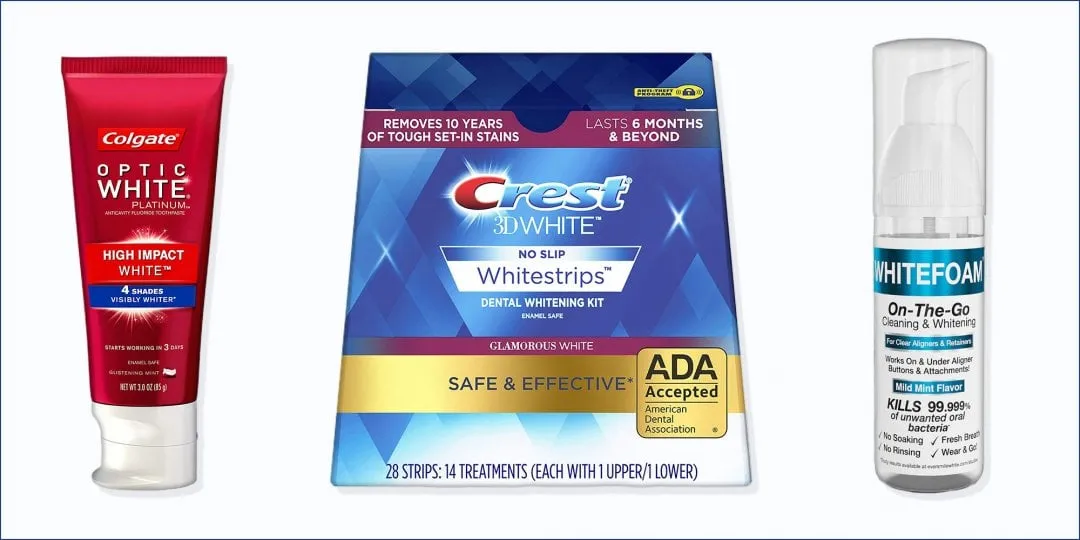
What Are Whitening Products
Whitening products are designed to lighten the color of your teeth, helping to remove stains and discoloration. They contain bleaching agents like hydrogen peroxide or carbamide peroxide, which break down stains into smaller pieces, making them less visible. Over time, factors like age, genetics, and lifestyle choices can lead to the yellowing of teeth. Consuming coffee, tea, red wine, and smoking are common culprits. Whitening products offer a solution to restore a brighter, more youthful smile. Understanding the various types and how they work is crucial to making informed decisions about your oral care routine. Choosing the right products can significantly boost your confidence, making you feel better about your overall appearance and health. Always consult with a dentist for personalized recommendations and to address any underlying dental issues before starting a whitening regimen. Proper use and adherence to instructions are also key to achieving the best results.
Types of Whitening Products
The market offers a range of whitening products, each with its own method of application and effectiveness. From over-the-counter options to professional treatments, the choices can be overwhelming. The most common types include whitening toothpastes, strips, and professional treatments performed by dentists. Each category uses a different approach and concentration of bleaching agents. Understanding the differences helps consumers choose a product that meets their needs and preferences. The best type for an individual depends on their specific needs and the extent of discoloration. Some people may benefit from simple over-the-counter solutions, while others might require more intensive professional treatments. Also, it is important to consider the time commitment, cost, and potential for sensitivity when selecting a product.
Whitening Toothpastes

Whitening toothpastes are a convenient and accessible option. They usually contain mild abrasives and chemical agents to remove surface stains. These toothpastes are designed for daily use and are often the starting point for many people looking to whiten their teeth. They work by gently scrubbing away stains caused by foods, drinks, and smoking. While they can be effective for removing surface stains, they are generally less effective at changing the intrinsic color of the teeth. These toothpastes are a good choice for maintaining a bright smile and preventing new stains from forming. The abrasive nature of some whitening toothpastes means they should be used with caution. Overuse can potentially damage the enamel. For optimal results, one should use them in combination with other whitening methods and by following a dentist’s advice.
Whitening Strips
Whitening strips are a popular, over-the-counter option that offers a more concentrated approach to teeth whitening. They contain a thin layer of hydrogen peroxide or carbamide peroxide that adheres directly to the teeth. The strips are typically worn for a specific amount of time each day, allowing the bleaching agent to penetrate the enamel. Whitening strips can provide visible results within a few weeks, making them a great choice for people wanting quicker results. They are generally easy to use and can be used at home. However, strips may not always cover the entire tooth surface evenly, and it may not be suitable for people with sensitive teeth or uneven teeth. It’s essential to follow the manufacturer’s instructions carefully and be patient. Proper use of whitening strips can significantly improve the appearance of your teeth. Consulting a dentist before using whitening strips will maximize safety and effectiveness.
Professional Whitening
Professional teeth whitening involves treatments administered by a dentist. It typically involves stronger concentrations of bleaching agents and is more effective at removing deep-seated stains. There are two main types of professional whitening in-office and at-home treatments provided by a dentist. In-office whitening offers immediate results under the supervision of a dental professional, which ensures safety and optimal outcomes. The dentist applies a high-concentration bleaching gel to the teeth and activates it with a special light. At-home professional whitening uses custom-fitted trays provided by the dentist, which contain a bleaching solution. The trays are worn for a specified time each day. Professional whitening is ideal for individuals seeking dramatic and quick results or those with significant discoloration. A dentist can also address any underlying dental issues before whitening and monitor the patient’s progress. Professional whitening is the safest and most effective option, with the best possible outcome for a bright and healthy smile.
Teeth Whitening Methods Explained

Several methods are used in teeth whitening, each using different mechanisms to lighten the color of teeth. Over-the-counter products usually rely on abrasives and mild bleaching agents to remove surface stains. In contrast, professional whitening methods use high-concentration bleaching agents that penetrate the enamel. The choice of method depends on the degree of whitening desired, the extent of the staining, and the individual’s preferences. Whitening toothpastes work through mechanical abrasion and help to remove stains. Whitening strips use adhesive strips containing peroxide-based bleaching agents to remove surface and some intrinsic stains. Professional treatments often use light-activated bleaching agents to speed up the whitening process. The best method depends on individual needs and oral health. Consulting with a dentist helps determine the most suitable approach.
The Top 5 Best Whitening Products
Here are the top 5 best whitening products that are available in the market. The products are listed for the best result to help everyone to find the best product for their teeth. When choosing a whitening product, consider factors such as effectiveness, convenience, sensitivity, and price. The best product for one person may not be the best for another. It is important to review product reviews and consult a dentist to find the most suitable option.
Product 1 Details
Product 1 is a popular choice among consumers due to its high effectiveness and ease of use. It typically contains a high concentration of hydrogen peroxide or carbamide peroxide, which results in visible whitening in a short period. Users often praise its quick results and long-lasting effects. The product may be a whitening strip or professional whitening. The product’s effectiveness varies depending on the individual’s teeth and the severity of the stains. It is essential to follow the instructions carefully and consult a dentist if any sensitivity occurs. Its popularity underscores its ability to deliver notable results, making it a top pick for those seeking to improve their smile.
Product 2 Details

Product 2 stands out for its gentle formula, making it ideal for people with sensitive teeth. It uses a lower concentration of bleaching agents, reducing the likelihood of causing discomfort. This product often includes desensitizing agents such as potassium nitrate. It delivers gradual but consistent whitening, which is less likely to cause tooth sensitivity. People with sensitive teeth can achieve a brighter smile without the typical side effects. It is important to carefully follow the instructions. The effectiveness of Product 2 makes it a good choice for people who are prone to tooth sensitivity.
Product 3 Details
Product 3 is recognized for its innovative approach to teeth whitening, often using unique formulations or technologies. The product can be a new type of whitening strips or a professional treatment. It may incorporate light activation, which speeds up the whitening process. Users appreciate its advanced features and often note its ability to provide exceptional results. Product 3 may offer solutions not found in other products, potentially enhancing the overall whitening experience. Careful application and adherence to the specific instructions for Product 3 are very important. Its innovative approach makes it a favorite among users looking for cutting-edge solutions.
Product 4 Details
Product 4 is a cost-effective whitening product that offers good value for money. This product offers an affordable solution without compromising on effectiveness. Its low price point makes it accessible to a wider audience. Consumers can achieve a whiter smile without breaking the bank, making it a popular choice. Product 4 is often a whitening toothpaste or strip. Consumers can expect to see visible improvements in their teeth’s brightness. When using Product 4, adherence to the instructions is essential for optimal results.
Product 5 Details

Product 5 focuses on long-term oral health and provides benefits beyond simple whitening. The product often includes ingredients that help strengthen enamel or prevent future stains. The product provides a comprehensive approach to whitening. This product is often a specialized toothpaste. Users value this product for their teeth’s overall health and appearance. Product 5’s long-term benefits can provide users with a brighter and healthier smile. Product 5’s features can give a positive impact on oral health.
Factors to Consider When Choosing Whitening Products
Several factors should be considered when choosing teeth whitening products, including effectiveness, sensitivity, and price. Evaluate the product’s bleaching agent concentration, which determines its ability to remove stains. People with sensitive teeth should choose products with lower concentrations to minimize discomfort. The method of application also influences the choice of a product. Whitening strips and trays offer convenience, while professional treatments ensure professional monitoring. The price of whitening products can vary widely, depending on the type and brand. A professional whitening treatment may cost more. Researching products, reading reviews, and consulting a dentist can help in making an informed decision.
Ingredients to Look For
Pay attention to the active ingredients in whitening products, such as hydrogen peroxide and carbamide peroxide. These are the main bleaching agents responsible for lightening teeth. Higher concentrations of these ingredients often lead to faster results, but they can also cause more sensitivity. Desensitizing agents, like potassium nitrate, can help reduce sensitivity during treatment. Other ingredients, such as fluoride, help strengthen enamel and prevent tooth decay. Always check the product labels for the concentration of the active ingredients. Also, consult with your dentist to determine the most suitable and safe options for your specific needs. Be aware of any potential allergic reactions and discontinue use if they occur. Proper selection ensures effectiveness and safety.
Sensitivity and Side Effects

Sensitivity and other side effects are potential issues with teeth whitening. Tooth sensitivity is the most common side effect, where teeth become sensitive to hot or cold temperatures. Gum irritation may occur, causing inflammation and discomfort. Whitening products can cause these side effects due to the bleaching agents. It’s important to discuss any pre-existing dental issues with your dentist before starting the treatment. The dentist may recommend desensitizing toothpaste or other products to minimize the side effects. Reduce your whitening frequency or concentration to alleviate sensitivity. Seek professional help immediately if side effects persist or worsen. Good oral hygiene is essential during whitening treatments, and patients should carefully follow all instructions. Understanding and managing potential side effects ensures a safe and pleasant whitening experience.
Maintenance and Aftercare
After whitening your teeth, proper maintenance is essential to preserving the results. Regular brushing and flossing are crucial for removing plaque and preventing stains. Avoid foods and drinks that can stain your teeth, such as coffee, tea, red wine, and dark-colored berries. Using a whitening toothpaste or mouthwash can help maintain the brightness of your smile. Consider touch-up treatments as recommended by your dentist, using at-home or professional methods. Routine dental checkups are essential for monitoring oral health. By following a proper maintenance routine, you can enjoy a bright, white smile for a long time. A healthy lifestyle and good oral hygiene are essential to prevent future discoloration and maintain results.
How to Maintain Your White Smile
Maintaining a white smile involves a combination of diligent oral hygiene and lifestyle choices. Brush your teeth twice daily with a whitening toothpaste. Floss daily to remove plaque and food particles. Avoid or limit the consumption of staining foods and beverages. Stay hydrated by drinking plenty of water throughout the day. Regular dental checkups and cleanings are very important. Your dentist can provide professional cleaning and address any potential problems. Consider using an at-home whitening kit. By practicing these habits, you can extend the life of your smile. Commitment and ongoing efforts are essential for a white and healthy smile.