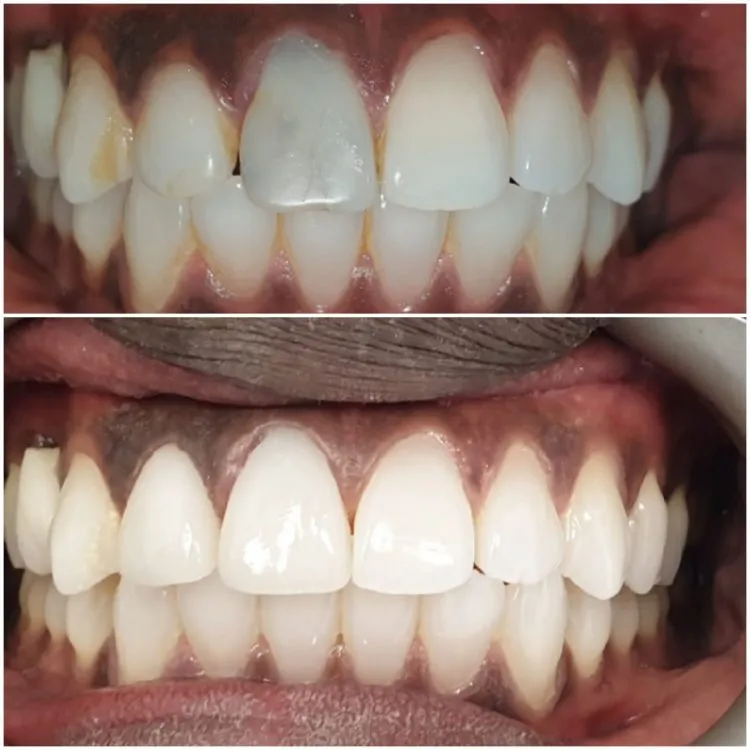
Top 5 Teeth Whitening Procedures Ranked
Achieving a dazzling smile is a common goal, and teeth whitening procedures have become increasingly popular. With a plethora of options available, selecting the best procedure can be overwhelming. This article ranks the top 5 teeth whitening procedures, considering their effectiveness, cost, and convenience. Whether you’re looking for rapid results or a budget-friendly approach, this guide provides a comprehensive overview of the most effective methods to brighten your pearly whites. Understanding the nuances of each procedure allows you to make an informed decision, paving the way for a confident, radiant smile. From professional treatments to at-home solutions, we explore the landscape of teeth whitening, helping you choose the ideal path to a brighter, more confident you.
Professional Teeth Whitening Procedures
Professional teeth whitening, often administered by a dentist, offers the most dramatic and immediate results. These procedures typically involve a high-concentration bleaching agent applied directly to the teeth. The entire process, including preparation and application, usually takes about an hour, making it a convenient option for those seeking rapid improvement. Dentists can customize the treatment to address specific levels of discoloration and sensitivity, ensuring a safe and effective experience. This method often uses a light or laser to accelerate the whitening process, providing noticeable changes in a single session. The outcome is a significantly brighter smile, often several shades lighter, which can boost self-esteem and overall appearance. The quick turnaround makes it a popular choice for special events or individuals seeking immediate gratification.
In-Office Whitening Advantages

The primary advantage of in-office whitening is the speed and intensity of the results. Dentists use stronger bleaching agents than those available over-the-counter, leading to more significant whitening in a shorter timeframe. The controlled environment of a dental office ensures the safety of the procedure, minimizing the risk of gum irritation or other side effects. Dentists can also address underlying dental issues, such as cavities or sensitivity, before the whitening process begins. This proactive approach guarantees a healthier and more aesthetically pleasing outcome. Furthermore, professional supervision allows for personalized care, adjusting the treatment based on the patient’s specific needs and desired results, making it an ideal choice for those seeking the most effective and tailored approach to teeth whitening.
In-Office Whitening Disadvantages
Despite its effectiveness, in-office whitening comes with certain drawbacks. The primary disadvantage is the cost; professional treatments are typically more expensive than at-home options. Another potential drawback is tooth sensitivity, which some patients experience after the procedure. Although temporary, this sensitivity can be uncomfortable. In addition, in-office whitening may not be suitable for everyone, such as individuals with certain dental conditions or highly sensitive teeth. The time commitment, while relatively short, requires a visit to the dentist’s office. Finally, while the results are immediate, they are not permanent, and maintenance treatments or at-home touch-ups may be necessary to maintain the desired level of brightness. Careful consideration of these factors is essential before opting for this teeth whitening method.
At-Home Teeth Whitening Kits
At-home teeth whitening kits offer a convenient and affordable alternative to professional treatments. These kits typically include bleaching trays, whitening gel, and instructions for use. They provide a gradual approach to whitening, allowing users to brighten their teeth over several weeks. The convenience of at-home kits is a significant advantage, as they can be used in the comfort of one’s own home, fitting seamlessly into a busy schedule. These kits are readily available at most drugstores and online retailers, making them easily accessible. While the results may not be as dramatic as professional treatments, at-home kits can still provide noticeable improvements in tooth color. This makes them a popular option for individuals seeking a more budget-friendly and flexible approach to achieving a brighter smile. Furthermore, many kits include desensitizing agents to help minimize any potential sensitivity.
Whitening Strips Effectiveness

Whitening strips are one of the most popular forms of at-home teeth whitening. They are thin, flexible strips coated with a peroxide-based bleaching agent. The effectiveness of whitening strips varies depending on the concentration of the bleaching agent and the frequency of use. Generally, they offer a moderate level of whitening, providing noticeable results over several weeks. The ease of use and affordability are key advantages, as they can be applied quickly and require no special equipment or dental visits. However, the effectiveness can be limited by the fit of the strips, which may not reach all areas of the teeth evenly. Furthermore, prolonged use might cause some tooth sensitivity, although this is usually temporary. Consistent application, as directed, is vital to maximizing the whitening effects of these readily accessible strips, making them a practical choice for many.
Whitening Toothpaste Benefits
Whitening toothpaste is a daily-use product designed to remove surface stains and prevent new ones from forming. Unlike other methods, whitening toothpaste does not significantly change the underlying color of the teeth but can help maintain brightness. The abrasive particles in these toothpastes help scrub away stains caused by food, drinks, and smoking. Some whitening toothpastes contain mild bleaching agents, such as hydrogen peroxide, to further enhance their stain-removing capabilities. The primary benefit of whitening toothpaste is its convenience and affordability. It is readily available and easily incorporated into a regular oral hygiene routine. While the results are often subtle, consistent use can contribute to a brighter smile over time, especially when used alongside other whitening methods or as a maintenance tool after more intensive treatments. This makes it a practical choice for everyday teeth whitening.
Custom Tray Whitening
Custom tray whitening combines the benefits of professional oversight with the convenience of at-home treatment. This method involves a dentist creating custom-fitted trays that precisely match the shape of your teeth. These trays are designed to hold a whitening gel, usually provided by the dentist, which is applied nightly for a specific duration. The custom fit ensures the bleaching agent contacts the teeth evenly, maximizing effectiveness and minimizing the risk of gum irritation. This approach allows for a more controlled and consistent whitening process compared to over-the-counter options. Custom tray whitening offers a balance of effectiveness and convenience, making it a popular choice for those seeking noticeable results without the expense of in-office treatments. The customized approach ensures the gel remains in close contact with the teeth, leading to superior whitening outcomes.
How Custom Trays Work

The process of custom tray whitening begins with a visit to the dentist, where impressions of your teeth are taken. These impressions are used to create personalized trays that fit perfectly. The dentist then provides the patient with a prescription-strength whitening gel and instructions on how to use the trays at home. The gel is applied to the trays, which are then worn over the teeth for a specified period, usually overnight or for a few hours daily. The trays keep the bleaching agent in close contact with the teeth, allowing it to penetrate the enamel and break down stains. The whitening process typically takes several weeks, with noticeable results appearing gradually. Regular follow-up appointments with the dentist may be necessary to monitor progress and ensure safety. The effectiveness of custom trays is enhanced due to their precise fit and controlled application of the whitening gel, leading to predictable outcomes.
Custom Tray Whitening Pros & Cons
Custom tray whitening offers several advantages, including more effective results compared to over-the-counter methods, as well as reduced risk of gum irritation because of the custom fit of the trays. The treatment is also more convenient than in-office procedures, as it can be done at home. The dentist’s involvement ensures professional guidance and supervision, reducing the likelihood of misuse. However, there are also some disadvantages. The initial cost is higher than over-the-counter kits, although it is generally more affordable than professional whitening. The treatment also requires a longer time commitment, as it can take several weeks to achieve the desired results. There is also a possibility of tooth sensitivity, although this is usually temporary. Overall, custom tray whitening represents a balanced approach, combining the effectiveness of professional treatments with the convenience of at-home care.
Laser Teeth Whitening
Laser teeth whitening, also known as power whitening, is a professional teeth whitening procedure that uses a laser to accelerate the bleaching process. This treatment is performed in a dental office and typically involves applying a high-concentration bleaching agent to the teeth, followed by the use of a laser to activate and enhance the whitening effect. The laser light helps to break down stains and discoloration more quickly, resulting in a brighter smile in a shorter time. Laser whitening is often preferred by individuals seeking immediate results, as the process can be completed in a single appointment. The procedure is usually safe when performed by a trained dental professional, and results can last for several months or even years with proper maintenance. This method offers a highly effective solution for those seeking a quick and significant improvement in the appearance of their teeth, making it a popular choice for special events.
Laser Whitening Process

The laser whitening process typically begins with the dentist preparing the teeth by cleaning them and applying a protective barrier to the gums. A high-concentration bleaching gel is then applied to the teeth. A special laser is then directed at the teeth, activating the bleaching agent. The laser light helps to penetrate the enamel and accelerate the whitening process. The procedure usually takes about an hour, and multiple sessions may be needed to achieve the desired results. After the treatment, the dentist will often apply a fluoride treatment to reduce any potential tooth sensitivity. Patients are usually given aftercare instructions to maintain their newly whitened smiles. The entire process is designed for maximum effectiveness, offering patients a dramatic and rapid improvement in the brightness of their teeth. This method relies on advanced technology to deliver exceptional results.
Laser Whitening Safety Concerns
While laser teeth whitening is generally safe, there are potential safety concerns. One common side effect is tooth sensitivity, which can be temporary. Gum irritation can also occur if the bleaching agent comes into contact with the gums. It is crucial to have the procedure performed by a qualified and experienced dentist to minimize risks. In some cases, laser whitening may not be suitable for individuals with certain dental conditions, such as cracked teeth or extensive fillings. The long-term effects of repeated laser whitening are still being studied. Patients should discuss any pre-existing conditions and potential risks with their dentist before undergoing the procedure. Following post-treatment care instructions is also essential for minimizing adverse effects and maximizing the longevity of the results. Proper patient selection and skilled application are key to a successful and safe outcome.
Teeth Whitening Procedures to Avoid
While many teeth whitening procedures are safe and effective, some should be approached with caution or avoided altogether. These include DIY methods that can potentially damage tooth enamel or cause gum irritation. It’s important to consider the risks involved before trying a whitening procedure. Some procedures might seem appealing due to their low cost or simplicity, but they could compromise oral health. Always consult with a dentist before undergoing any teeth whitening treatment to ensure it is safe and appropriate for your specific dental needs. Understanding these risks is essential to safeguarding your oral health while achieving a brighter smile. Avoiding harmful procedures helps prevent complications and ensures the long-term health of your teeth and gums.
DIY Teeth Whitening Risks

DIY teeth whitening methods often involve ingredients and techniques that can be harmful. Common DIY approaches, such as using lemon juice or baking soda, can erode tooth enamel over time, leading to increased sensitivity and a higher risk of cavities. Some homemade whitening solutions might contain abrasive substances that damage the tooth’s surface. Furthermore, DIY treatments lack professional supervision, increasing the chances of improper use and potential complications. The concentration of active ingredients is often unregulated, which can lead to inconsistent results or even harm. Always prioritize professional advice and approved methods to protect your oral health. The risks of DIY teeth whitening can outweigh the perceived benefits, making it crucial to choose safer and more effective professional or dentist-recommended alternatives for a brighter smile.
Over-the-Counter Treatments to Avoid
Not all over-the-counter (OTC) teeth whitening treatments are equally safe or effective. Some OTC products may contain low concentrations of bleaching agents, offering minimal whitening benefits. Others might include harsh chemicals or abrasive ingredients that can damage the enamel. It is essential to carefully review product labels and consult with a dentist before using any OTC whitening product, especially if you have sensitive teeth or existing dental issues. Avoid products that make unrealistic promises or contain unproven ingredients. Always prioritize products that have been tested and approved by dental professionals to ensure the safety and effectiveness of the whitening treatment. By making informed choices, you can avoid potential harm and achieve a brighter smile safely, using effective methods that are suitable for your individual needs.
In conclusion, selecting the best teeth whitening procedure depends on your individual needs, budget, and desired results. From professional treatments like in-office and laser whitening, offering immediate and dramatic results, to the more budget-friendly at-home options such as custom tray whitening and whitening strips, there is a method for everyone. Prioritize professional advice, weigh the pros and cons, and make informed choices to achieve a brighter, healthier smile. Remember to avoid DIY methods and be cautious with over-the-counter treatments to safeguard your oral health. With the right approach, achieving a dazzling, confident smile is within reach.