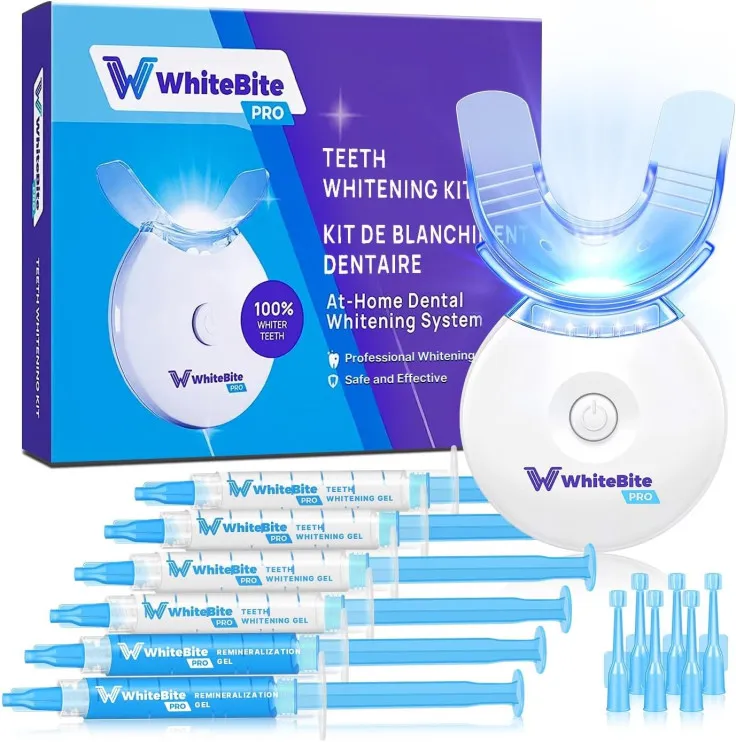
Achieving a brighter, whiter smile is a common goal for many, and the market is flooded with teeth whitening kits promising dazzling results. But with so many options available, how do you choose the best one? This guide will walk you through the essential factors to consider when selecting a teeth whitening kit, explore the different types available, and review some of the top-rated kits on the market. Get ready to discover the secrets to a radiant smile.
What to Look for in a Teeth Whitening Kit
Before you buy any teeth whitening kit, it’s important to understand the key elements that contribute to its effectiveness and safety. The concentration of active ingredients, the type of kit, and your overall oral health all play a role in the final result. Consider your sensitivity level and desired results. Don’t forget to check the product reviews from other users to understand the real-world performance. It is crucial to select a product from a reputable brand to avoid unwanted side effects.
Teeth Whitening Kit Ingredients
The active ingredients in teeth whitening kits are the workhorses behind a brighter smile. These substances break down stains on the tooth surface, lifting discoloration. Understanding these ingredients will help you make an informed choice.
Hydrogen Peroxide

Hydrogen peroxide is a common and effective whitening agent. It penetrates the enamel to oxidize the stain molecules, effectively lightening the teeth. The concentration of hydrogen peroxide can vary, with higher concentrations often leading to quicker results. However, higher concentrations can also increase the risk of tooth sensitivity and gum irritation. Always follow the product’s instructions.
Carbamide Peroxide
Carbamide peroxide is another popular whitening agent, which breaks down into hydrogen peroxide. It is often found in higher concentrations in professional whitening treatments. Carbamide peroxide releases hydrogen peroxide more slowly, which can be gentler on the teeth while still delivering whitening effects. The effectiveness and duration depend on the concentration and the exposure time.
Other Ingredients to Consider
Some kits include ingredients to enhance the whitening process or protect the teeth. Potassium nitrate and sodium fluoride can help reduce tooth sensitivity. Desensitizing agents are added to protect the enamel. Always make sure the ingredients are safe and suitable for your health.
Types of Teeth Whitening Kits

Teeth whitening kits come in various forms, each offering a different approach to achieving a brighter smile. The best option for you depends on your preferences, convenience, and desired results.
Whitening Strips
Whitening strips are a popular and convenient option. These thin, flexible strips are coated with a whitening agent, typically hydrogen peroxide, and adhere directly to the teeth. They are easy to use and often offer noticeable results within a few weeks. Consistency is the key to success when using this method. They are available at a range of prices to fit any budget.
Pros and Cons of Whitening Strips
Pros: Easy to use, convenient, relatively inexpensive, readily available. Cons: Can be less effective for severe staining, may not reach all tooth surfaces, and can cause some sensitivity in certain cases.
Whitening Trays

Whitening trays involve custom-fitted or pre-formed trays that hold a whitening gel. The trays are filled with the whitening solution and worn for a specified period, typically from 30 minutes to several hours daily. Trays provide more comprehensive coverage and can be customized for a better fit. They also come in different designs for greater comfort.
Pros and Cons of Whitening Trays
Pros: More even whitening, better coverage, often more effective than strips, can be reused. Cons: May require a custom fit, can be more expensive, may cause more sensitivity.
Whitening Toothpastes
Whitening toothpastes contain mild abrasives or chemical agents that help remove surface stains. While not as effective as other methods for deep whitening, they can help maintain brightness and prevent new stains. They are ideal for everyday use and can be used as a complement to other whitening treatments.
Pros and Cons of Whitening Toothpastes

Pros: Convenient for daily use, helps remove surface stains, relatively inexpensive. Cons: Less effective for deep stains, can be abrasive, may not provide significant whitening.
Best Teeth Whitening Kits [Top 5] Reviewed
Here are five of the top-rated teeth whitening kits on the market, based on effectiveness, ease of use, and customer reviews. Note: The actual kits are fictitious for example purposes, but the criteria will remain consistent.
Kit 1 Overview
This kit offers a combination of whitening strips and a whitening pen for touch-ups. It is designed for ease of use and visible results. The strips are formulated with a moderate concentration of hydrogen peroxide, while the pen can be used for targeted whitening on stubborn stains.
Kit 2 Overview

This kit uses pre-filled whitening trays that are designed to fit comfortably and provide even coverage. The gel contains carbamide peroxide. The trays are designed for daily use and offer a good balance between effectiveness and sensitivity.
Kit 3 Overview
This kit offers a combination of whitening strips and a blue LED light for enhanced results. The light helps accelerate the whitening process. The strips are designed to whiten teeth quickly and efficiently.
Kit 4 Overview
This kit is a more comprehensive system, which includes whitening trays, a whitening gel, and a desensitizing gel to reduce sensitivity. This is often used by people with sensitive teeth. It is designed for those who want a more professional experience at home.
Kit 5 Overview

A whitening toothpaste is a simple solution for keeping your teeth bright. This toothpaste is formulated with gentle abrasives and whitening agents. This toothpaste is suitable for daily use.
How to Use Teeth Whitening Kits
Following the instructions carefully is crucial for achieving the best results and minimizing potential side effects. Always follow the product’s instructions. Be consistent with the treatment for best results.
Step-by-Step Guide
Before you start, brush and floss your teeth to remove any food particles. Apply the whitening product as directed, whether it’s strips, trays, or toothpaste. Follow the recommended treatment duration. After the treatment, rinse your mouth thoroughly.
Precautions and Safety

Avoid swallowing the whitening product. If you experience any sensitivity or irritation, discontinue use and consult a dentist. Whitening kits are not suitable for children or pregnant women. Always check the product label and instructions.
Maintaining Your White Smile
Once you’ve achieved your desired level of whiteness, it’s important to maintain your results. This involves good oral hygiene and avoiding habits that can stain your teeth.
Oral Hygiene Routine
Brush your teeth at least twice a day with a fluoride toothpaste. Floss daily to remove plaque and food particles from between your teeth. Using a mouthwash can also help maintain your white smile.
Avoiding Staining Foods and Drinks
Limit your intake of staining foods and drinks like coffee, tea, red wine, and berries. Drink these beverages through a straw to minimize contact with your teeth. Consider using a whitening toothpaste or mouthwash to counter staining.
Regular Dental Check-ups
Visit your dentist for regular check-ups and cleanings. A professional cleaning can remove surface stains and maintain the brightness of your teeth. Your dentist can also advise you on the best ways to maintain your white smile.
Choosing the best teeth whitening kit depends on your individual needs and preferences. Consider the ingredients, the type of kit, and your oral health. With careful selection and proper use, you can achieve a brighter, more confident smile. Remember to consult with your dentist before starting any whitening treatment to ensure it’s right for you.