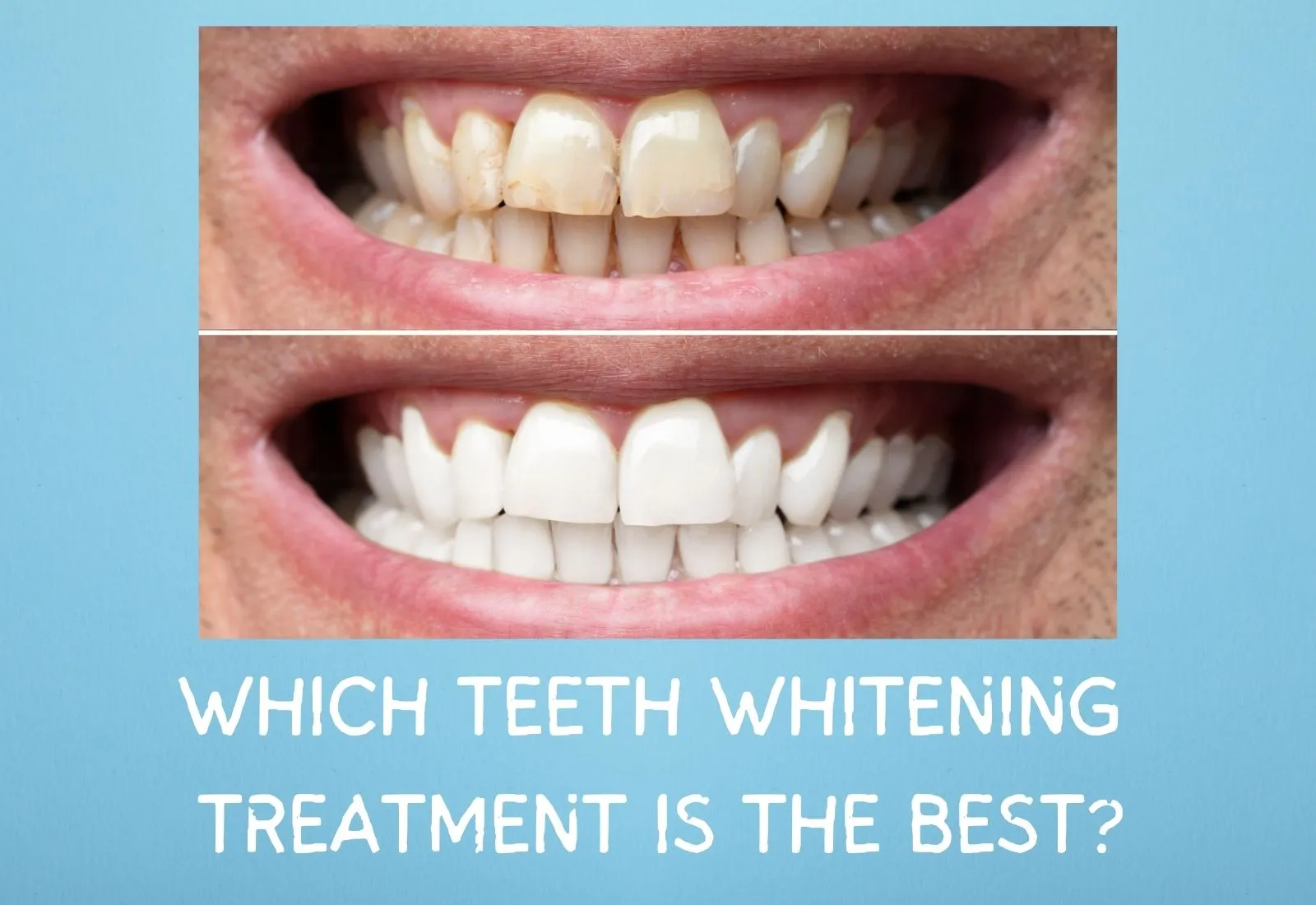
What is Teeth Whitening
Teeth whitening is a cosmetic dental procedure designed to lighten the color of your teeth and improve the appearance of your smile. Over time, teeth can become stained and discolored due to various factors, including the consumption of certain foods and beverages like coffee, tea, and red wine, as well as lifestyle choices such as smoking. Teeth whitening treatments work by using bleaching agents to break down the stains and discoloration, revealing a brighter, more vibrant smile. The process can range from simple over-the-counter solutions to professional treatments administered by a dentist. The effectiveness of each method varies, with professional treatments generally providing the most dramatic and long-lasting results. Choosing the right teeth whitening method depends on individual needs, preferences, and the severity of the staining.
Types of Teeth Whitening Treatments
There are several types of teeth whitening treatments available, each with its own approach and level of effectiveness. These treatments can be broadly categorized into professional in-office whitening and at-home whitening options. The choice between these treatments often depends on the desired results, budget, and the time commitment the individual is willing to make. Understanding the differences between these options is crucial for making an informed decision and achieving the desired bright, white smile. Each method employs different techniques and concentrations of bleaching agents to achieve the best possible results, ensuring that individuals can find a solution tailored to their specific needs and preferences. Both in-office and at-home treatments have pros and cons, so it’s important to consider these before deciding on a treatment plan.
In-Office Teeth Whitening

In-office teeth whitening, also known as professional teeth whitening, is a procedure performed by a dentist in a dental office. This method typically involves the application of a high-concentration bleaching agent to the teeth, often followed by the use of a special light or laser to accelerate the whitening process. The entire procedure usually takes about an hour or two, making it a relatively quick way to achieve dramatic results. This approach is especially beneficial for individuals who desire immediate results or have significant tooth discoloration. The dentist carefully monitors the process to ensure the safety and effectiveness of the treatment, minimizing any potential side effects. The professional setting also allows for a more controlled application and the ability to address any sensitivity issues that may arise during the treatment. The results are often more pronounced compared to at-home methods.
Process of In-Office Whitening
The in-office whitening process typically begins with a consultation and examination by the dentist. This step is crucial to assess the overall health of your teeth and gums and to determine if you are a suitable candidate for the procedure. The dentist will then clean your teeth to remove any plaque or debris, ensuring the bleaching agent can effectively reach the tooth surface. A protective barrier is then applied to the gums to prevent irritation from the bleaching agent. The whitening agent, which is usually a hydrogen peroxide solution, is applied to the teeth and may be activated by a special light or laser. The process is often repeated in intervals, and the results are visible immediately. Post-treatment care instructions are provided to maintain and prolong the whitening effects.
Advantages of In-Office Whitening
In-office whitening offers several advantages. It provides immediate and noticeable results, perfect for those seeking quick aesthetic improvements. The procedure is performed under the supervision of a dental professional, ensuring safety and minimizing risks. The high concentration of the bleaching agent used in-office is often more effective than at-home options, especially for severe stains. Dentists can also address any sensitivity issues that may arise during the treatment, ensuring patient comfort. The procedure’s efficiency is another key benefit, with the entire process typically completed in a single visit. The immediate results and professional care make it a convenient and reliable choice for many individuals seeking a brighter smile.
At-Home Teeth Whitening Options

At-home teeth whitening options offer a more convenient and often more affordable way to brighten your smile. These treatments come in various forms, including whitening toothpastes, strips, and trays. While at-home treatments are generally less potent than in-office procedures, they can still deliver noticeable results over time. The key advantage is the flexibility they offer, allowing you to whiten your teeth on your own schedule and in the comfort of your home. However, it’s essential to follow the instructions carefully and be patient, as results may take longer to appear compared to professional treatments. Choosing the right at-home product depends on your individual needs and preferences, as well as the extent of discoloration you wish to address.
Whitening Toothpastes
Whitening toothpastes are a common and accessible option for teeth whitening. They typically contain mild abrasives and/or chemical agents that help remove surface stains. While they are effective at removing minor stains, they usually don’t change the intrinsic color of the teeth like bleaching agents do. Using a whitening toothpaste can help maintain the brightness of your smile and prevent new stains from forming. However, it is important to note that they may not produce significant results on their own, especially for deeper stains or discoloration. Regular use, combined with other whitening methods, can contribute to a brighter smile over time. Always consult with your dentist if you have concerns about abrasion or sensitivity.
Whitening Strips
Whitening strips are a popular at-home whitening solution that involves applying thin, flexible strips coated with a peroxide-based whitening agent directly onto your teeth. These strips are typically worn for a specific amount of time each day, as indicated in the product instructions. Whitening strips can be a convenient and relatively affordable way to whiten your teeth. They are effective at removing surface stains and can also help to lighten the overall color of your teeth. Results can usually be seen within a few weeks of consistent use. It is essential to follow the instructions carefully to achieve the best results and minimize the risk of sensitivity. Be sure to select a brand with a reputation for both effectiveness and safety, and consider discussing your choice with your dentist.
Whitening Gels and Trays

Whitening gels and trays offer a more customized approach to at-home teeth whitening. These systems typically involve using custom-fitted trays or pre-fabricated trays that are filled with a bleaching gel and placed over your teeth. The trays ensure that the whitening agent comes into contact with your teeth evenly. The gel typically contains a higher concentration of bleaching agent than whitening strips, which can lead to more significant results. These systems can be prescribed by your dentist or purchased over-the-counter, depending on the strength of the bleaching agent. Results can often be seen in a matter of days or weeks, depending on the product and the severity of the stains. Consistent use according to the manufacturer’s or dentist’s instructions is crucial for achieving optimal results.
Factors to Consider When Choosing a Treatment
Choosing the right teeth whitening treatment involves considering several factors. The severity of your tooth discoloration is a key consideration; for severe stains, professional in-office treatments may be the most effective option. Your budget also plays a significant role, as in-office treatments are generally more expensive than at-home solutions. Sensitivity and side effects vary; it is important to know if you have sensitive teeth. Lifestyle factors, such as your diet and habits (e.g., smoking, coffee consumption), can impact the longevity of the results. Consulting with a dentist is recommended to assess your oral health and receive personalized recommendations. This will help you make an informed decision that aligns with your goals and ensures the safety and effectiveness of the treatment. The best treatment is the one that meets your unique needs and expectations.
Cost of Teeth Whitening
The cost of teeth whitening varies depending on the type of treatment. In-office whitening is generally more expensive than at-home options, reflecting the expertise and equipment involved. At-home treatments, such as whitening strips or toothpastes, are more budget-friendly. The cost can also be influenced by the brand, the number of treatments needed, and your geographic location. While the initial cost of professional treatments is higher, the immediate and dramatic results may make it a worthwhile investment. When considering the cost, it is important to balance the price with your expectations and the expected results. Look for options that fit within your budget while meeting your whitening goals. Consider the cost of maintenance, such as touch-up treatments, to maintain your bright smile.
Sensitivity and Side Effects

Teeth whitening treatments can cause some side effects, the most common of which is tooth sensitivity. This sensitivity is usually temporary and subsides shortly after the treatment. Some individuals may experience gum irritation or discomfort. These side effects are generally mild and manageable, but it is important to inform your dentist if you experience them. Using desensitizing toothpaste or avoiding extremely hot or cold foods and beverages can help minimize sensitivity. It is also essential to follow the instructions provided by your dentist or the product manufacturer to reduce the risk of side effects. If you are concerned about potential side effects, discuss them with your dentist before starting any whitening treatment. They can recommend measures to minimize discomfort and ensure the safety of the procedure.
Maintaining Your Bright Smile
Maintaining your bright, white smile after a teeth whitening treatment requires ongoing care and attention. Regular dental check-ups and cleanings are essential for maintaining oral health and preventing stains. Avoiding foods and beverages that can stain your teeth, such as coffee, tea, red wine, and dark berries, will help to prolong your results. If you consume these items, rinse your mouth with water or brush your teeth afterward to minimize staining. Using a whitening toothpaste or touch-up treatments, as recommended by your dentist, can also help keep your teeth bright. Good oral hygiene practices, including brushing twice a day and flossing daily, are crucial for keeping your teeth and gums healthy. Following these steps will help you enjoy your brighter smile for longer.
In conclusion, achieving a brighter smile through teeth whitening is a achievable goal, with a variety of options available to suit different needs and preferences. Whether you opt for the immediate results of in-office whitening or the convenience of at-home treatments, understanding the process, advantages, and potential side effects is crucial for making an informed decision. Always consult with a dentist to determine the best approach for your specific needs and to ensure the safety and effectiveness of the chosen treatment. With proper care and maintenance, you can enjoy a dazzling, white smile for years to come. A confident smile can have a significant positive impact on your overall well-being.