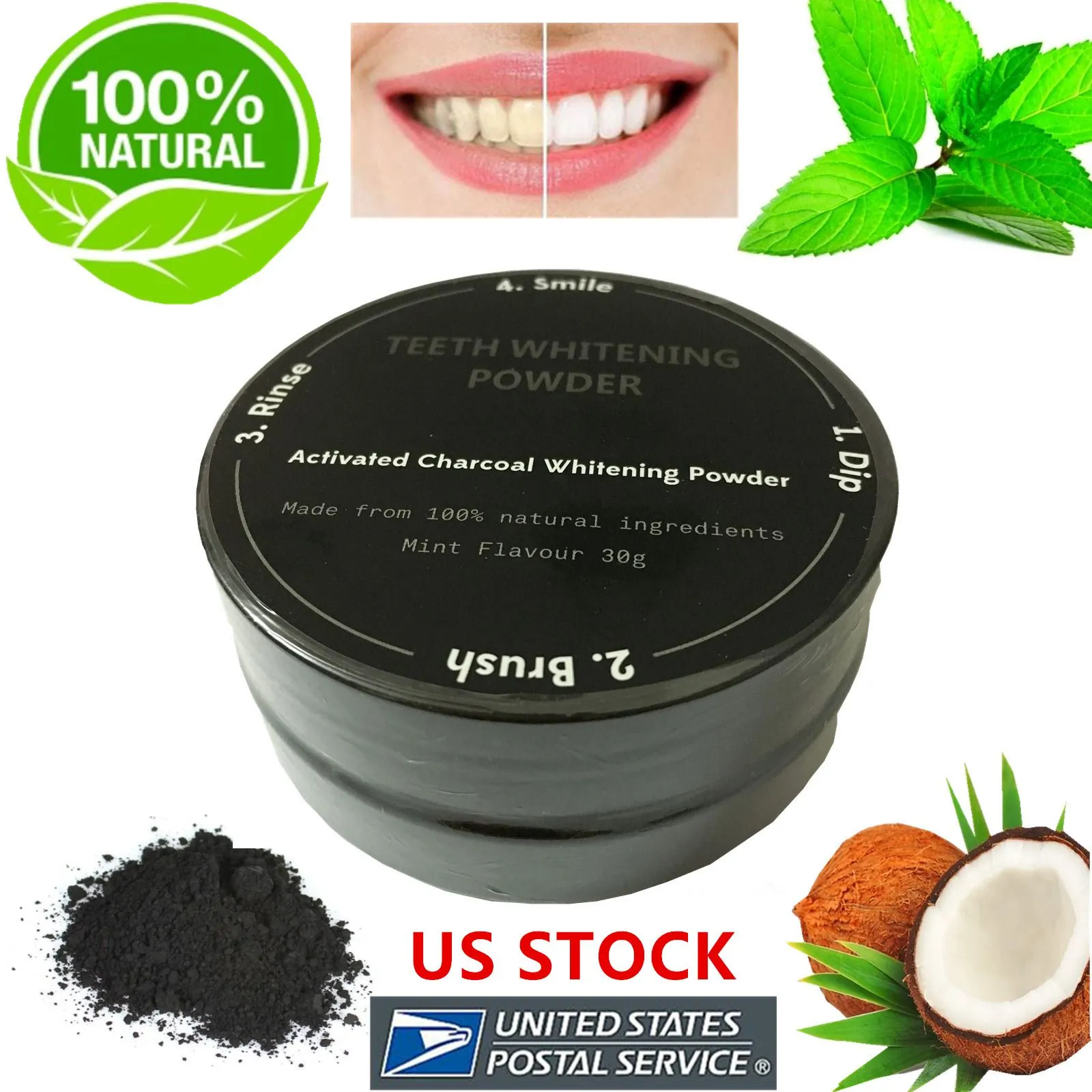
What is Activated Charcoal?
Activated charcoal has gained significant popularity in recent years as a natural teeth-whitening solution. But what exactly is it? Unlike the charcoal you use for grilling, activated charcoal is a finely ground black powder made from various sources, including coconut shells, wood, and other materials. The activation process involves heating these materials at high temperatures, often in the presence of a gas, to create a porous structure. This porous structure is what gives activated charcoal its unique properties, especially its ability to adsorb substances. This means it can bind to toxins, chemicals, and other particles, making it an effective detoxifying agent and, as many claim, a powerful teeth-whitener. The resulting product is safe for use on teeth when used correctly and is designed to help remove surface stains.
How Activated Charcoal Works for Teeth Whitening
The primary mechanism behind activated charcoal’s teeth-whitening capabilities is its adsorption properties. The porous nature of activated charcoal allows it to bind to stains and impurities on the surface of your teeth. These stains can be caused by various factors, including coffee, tea, wine, and tobacco. As you brush with activated charcoal, it gently scrubs away these stains, revealing a brighter, whiter smile. However, it’s important to understand that activated charcoal does not chemically alter the color of your teeth. Instead, it removes the surface stains, leading to a more polished appearance. This makes it different from professional whitening treatments that use bleaching agents to penetrate the enamel and change the intrinsic color of the teeth. Regular use can significantly improve the brightness of your smile by removing the accumulated stains on the teeth surface.
The Benefits of Using Activated Charcoal for Teeth

Beyond its whitening effects, activated charcoal offers several other potential benefits for oral health. Many users report that it can help remove plaque and bacteria, contributing to fresher breath and a healthier mouth. By removing these harmful elements, activated charcoal may also help reduce the risk of cavities and gum disease. Some studies suggest that it may also help alter the pH balance in the mouth, further inhibiting the growth of bacteria. Additionally, activated charcoal is often considered a more natural alternative to chemical-based teeth-whitening products, making it appealing to those seeking a gentler approach to oral care. With regular use, activated charcoal can contribute to a cleaner, healthier mouth and a more confident smile, making it a valuable addition to your oral hygiene routine. However, it’s important to note that the effectiveness of activated charcoal can vary from person to person, and results may not be as dramatic as those achieved with professional treatments.
Best Activated Charcoal for Teeth Whitening [Guide]
Choosing the best activated charcoal for teeth whitening involves several factors. First and foremost, look for products made from high-quality, food-grade activated charcoal. Coconut shell charcoal is a popular choice, as it is generally considered safe and effective. Ensure the product is free from additives, artificial flavors, and sweeteners. Consider the form of the charcoal; it’s available as a powder or as an ingredient in toothpaste. Powdered activated charcoal is a versatile option that can be mixed with water to form a paste, while toothpaste offers convenience. Read reviews and check the product’s reputation to gauge its effectiveness and safety. Ultimately, the best activated charcoal for you will depend on your personal preferences, budget, and specific oral health needs. Be patient and consistent, and consult your dentist if you have any concerns or questions about using activated charcoal.
Factors to Consider When Choosing Activated Charcoal
When selecting an activated charcoal product, several key factors come into play. The source of the charcoal is important, with coconut shell charcoal being a preferred option for its purity and effectiveness. Check for any additives, as you want to avoid artificial flavors, sweeteners, or preservatives that could irritate your gums or teeth. Consider the particle size of the charcoal; finer particles are generally more effective at removing stains. Packaging also matters; choose a product that comes in a well-sealed container to maintain freshness and prevent contamination. Read customer reviews and seek recommendations from your dentist. Your individual sensitivity and the current condition of your teeth should also guide your choice. By carefully evaluating these aspects, you can choose an activated charcoal product that is safe, effective, and tailored to your needs.
Activated Charcoal Products Powder vs Toothpaste

Activated charcoal is available in two primary forms: powder and toothpaste. Each has its own set of pros and cons. Powdered activated charcoal offers versatility; you can control the concentration by mixing it with water to create a paste. It also allows you to combine it with other natural ingredients like essential oils. The downside of the powder is that it can be messy and requires extra preparation. Activated charcoal toothpastes are more convenient, as they incorporate the charcoal into a ready-to-use formula. However, you have less control over the ingredients. Many toothpastes include other ingredients, such as fluoride, and the concentration of activated charcoal may be lower than in the powder. Ultimately, the best choice depends on your lifestyle and preferences. Powder is great for those who value customization, while toothpaste is best for convenience.
Powdered Activated Charcoal
Powdered activated charcoal provides a direct and versatile approach to teeth whitening. To use it, wet your toothbrush and dip it into the powder. Brush your teeth gently for about two minutes, paying attention to all surfaces. Once finished, rinse your mouth thoroughly with water to remove any remaining charcoal residue. Powdered charcoal allows you to customize your experience; you can adjust the amount of charcoal and mix it with other ingredients. Be cautious, however, as it can stain surfaces. When used regularly, powdered activated charcoal can effectively remove surface stains and help brighten your smile. Remember to consult your dentist, especially if you have sensitive teeth or any existing dental conditions. This method is best for those seeking a natural, hands-on approach to teeth whitening.
Activated Charcoal Toothpaste
Activated charcoal toothpastes offer the convenience of a ready-to-use product. Simply apply the toothpaste to your toothbrush and brush your teeth as you would with any other toothpaste. The charcoal works to gently remove surface stains, promoting a brighter smile. These toothpastes often contain additional ingredients like fluoride and mint for added oral health benefits. Make sure to check the label for any additional components. Regular use can help remove stains caused by coffee, tea, and other substances. For optimal results, follow the product’s instructions and brush for the recommended time. This is a great choice for those seeking an easy-to-use and convenient option to incorporate activated charcoal into their daily oral care routine.
How to Use Activated Charcoal for Teeth Whitening

Using activated charcoal for teeth whitening is generally a straightforward process. If using powder, wet your toothbrush and dip it into the charcoal. Brush your teeth gently for about two minutes, ensuring all surfaces are covered. Rinse your mouth thoroughly with water until all charcoal residue is gone. If using toothpaste, apply it to your toothbrush as you would with regular toothpaste and brush for the recommended time. After brushing with either method, it’s essential to rinse your mouth well and clean your sink to prevent staining. For best results, use activated charcoal one to two times a day and always follow the product’s instructions. Consistent use, along with good oral hygiene practices, can significantly improve the brightness of your teeth.
Step-by-Step Guide to Application
- Wet your toothbrush.
- Dip the toothbrush into activated charcoal powder or apply the toothpaste.
- Brush your teeth gently for 2-3 minutes, covering all surfaces.
- Rinse your mouth thoroughly with water until the water runs clear.
- Clean your sink to remove any charcoal residue.
- Repeat this process one or twice a day for best results.
- Continue using your regular toothpaste and maintain your standard oral hygiene routine.
Tips for Effective Whitening
For effective teeth whitening with activated charcoal, consider these tips: Brush gently to avoid irritating your gums or damaging your enamel. Use a soft-bristled toothbrush. Be patient; it may take a few weeks to see noticeable results. Stay consistent with your routine. Follow the product’s instructions carefully. Combine activated charcoal with a good oral hygiene routine, including flossing and regular dental checkups. Consider incorporating it into your evening routine, followed by brushing with regular toothpaste. Avoid consuming staining foods and drinks immediately after brushing. Remember that results can vary depending on the level of staining and your individual oral health.
Safety Precautions and Side Effects

While activated charcoal is generally considered safe, it’s essential to be aware of potential side effects. Some users may experience temporary tooth sensitivity or gum irritation. Avoid excessive brushing, which can damage your enamel. If you experience any discomfort, reduce the frequency of use or consult your dentist. Make sure to choose a high-quality, food-grade product. Avoid swallowing the charcoal, as it can interfere with the absorption of certain medications. Although rare, some individuals might experience allergic reactions. Pregnant or breastfeeding women should consult their healthcare provider before use. If you have any dental issues or existing dental work, discuss activated charcoal with your dentist before starting. Always practice good oral hygiene.
Potential Risks and Considerations
Before using activated charcoal for teeth whitening, be aware of the potential risks. Over-brushing can erode enamel, leading to increased sensitivity and a higher risk of cavities. Activated charcoal may not be as effective as professional whitening treatments for deep stains. It can also interfere with certain medications by absorbing them, so consult with your doctor if you are taking any medications. Individuals with fillings, crowns, or other dental work should consult their dentist before using it, as the charcoal can potentially stain these restorations. The effectiveness of activated charcoal varies depending on individual factors like your oral health and the type of stains. Always ensure you use a high-quality, food-grade product. Regular dental checkups are crucial to maintain optimal oral health, regardless of whether you use activated charcoal.
Alternatives to Activated Charcoal
If activated charcoal isn’t your preferred choice, several alternatives can help you achieve a brighter smile. Whitening toothpaste containing fluoride is readily available and is designed to remove surface stains. Hydrogen peroxide-based whitening products, available over the counter or from your dentist, can provide more dramatic whitening effects. Professional teeth whitening, performed by a dentist, offers the most powerful and effective results. Consider using teeth whitening strips, which are convenient and can provide noticeable results. Maintaining good oral hygiene, including regular brushing, flossing, and dental checkups, is essential for healthy teeth. Before choosing an alternative, consult your dentist for advice on the best option for your needs.
Maintaining Your Bright Smile

Maintaining a bright smile goes beyond just whitening your teeth. Good oral hygiene is crucial; this includes brushing twice a day with fluoride toothpaste, flossing daily, and using mouthwash. Regular dental checkups and professional cleanings are essential. Limit your consumption of staining foods and drinks, such as coffee, tea, and red wine. If you consume these, rinse your mouth with water afterward or brush your teeth. Avoid tobacco products, which can cause significant staining. Use a straw when drinking dark-colored beverages to reduce contact with your teeth. Consider using a whitening toothpaste or mouthwash as part of your daily routine. By adopting these habits, you can preserve your bright, white smile and keep your teeth healthy for the long term. A commitment to these practices will ensure your smile remains bright and healthy.