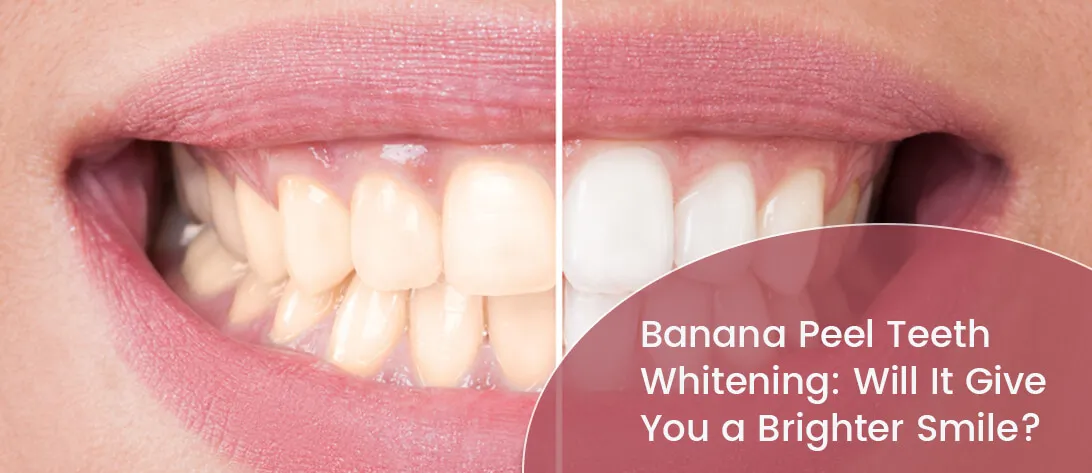
What is the Banana Peel Teeth Whitening Trend
The internet is awash with DIY dental hacks, and one that has gained significant traction involves using banana peels to whiten teeth. The premise is simple rubbing the inside of a banana peel on your teeth for a few minutes each day is supposed to lead to a brighter, whiter smile. This trend has been fueled by claims of natural ingredients and cost-effectiveness, making it an attractive alternative to expensive professional treatments. Social media platforms are filled with testimonials and videos showcasing supposed before-and-after results, further popularizing the practice. However, as with many viral health trends, it is essential to critically evaluate the claims and understand the scientific basis behind them before adopting any new dental care routine. This is where sources like Snopes come into play, providing fact-checking and debunking potentially misleading information.
The Claims Behind Banana Peel Teeth Whitening
Proponents of banana peel teeth whitening often highlight the presence of minerals such as potassium, magnesium, and manganese in banana peels. They suggest that these minerals can be absorbed by the teeth, contributing to a whitening effect. Another common claim is the abrasive nature of the peel, which is thought to help scrub away surface stains. Some also point to the presence of citric acid as a potential bleaching agent, although the concentration is relatively low compared to other whitening methods. The purported benefits include not only a brighter smile but also improved oral health due to the minerals. However, it is important to critically examine these claims and compare them with scientific evidence. Without proper validation, these claims are merely anecdotal or based on speculation.
Does Banana Peel Contain Whitening Properties

While banana peels do contain various minerals and potentially abrasive qualities, there is no scientific evidence to support the claim that they possess significant teeth-whitening properties. The minerals in banana peels, such as potassium and magnesium, are not known to directly impact the color of teeth. The abrasive nature of the peel might temporarily remove some surface stains, but it is unlikely to change the intrinsic color of the enamel. Whitening treatments usually involve bleaching agents like hydrogen peroxide or carbamide peroxide, which penetrate the enamel and oxidize the stain molecules. The citric acid content is minimal and insufficient to cause any noticeable bleaching effect. The lack of proven whitening ability makes the banana peel method questionable from a scientific standpoint.
Snopes Analysis of Banana Peel Teeth Whitening
Snopes, a well-respected fact-checking website, has investigated the claims surrounding banana peel teeth whitening. Their analysis often focuses on evaluating the evidence supporting these claims. Snopes typically examines the scientific basis, assesses expert opinions, and reviews user experiences to determine the validity of the claims. The primary conclusion from Snopes regarding this trend is that there is no credible evidence to support its effectiveness. They often highlight the lack of scientific studies and the absence of proven whitening agents in banana peels. The site typically provides a rating that reflects the accuracy of the claim, helping people make informed decisions about whether to try the method or look for scientifically-backed alternatives. The Snopes analysis serves as an important resource for those seeking reliable information about this and other dental health trends.
Fact 1 The Abrasive Nature of Banana Peels
One of the purported mechanisms behind banana peel teeth whitening is its abrasive nature. The surface of a banana peel, especially the inside, has a slightly rough texture that could potentially help remove surface stains from the teeth. However, it is crucial to understand that this abrasive action is more akin to a superficial cleaning than a true whitening process. While it might remove some debris or light staining, it cannot change the inherent color of your teeth. Excessive abrasion can potentially damage the enamel, which is the protective outer layer of your teeth. This protective layer can become thinner with consistent rubbing, making your teeth more vulnerable to sensitivity and decay. Therefore, relying on the abrasive action of banana peels is not a recommended method for teeth whitening.
Fact 2 Potassium & Minerals

Banana peels are rich in various minerals, including potassium, magnesium, and manganese. Proponents of the banana peel teeth whitening method claim that these minerals can be absorbed by the teeth and contribute to a whitening effect. However, there is no scientific evidence to back up this claim. While these minerals are beneficial for overall health and can contribute to strong teeth and bones, they do not have any direct role in whitening teeth. The process of teeth whitening relies on chemical reactions that break down stain molecules within the enamel. Minerals do not possess these properties, and therefore, rubbing banana peels on your teeth will not lead to a change in color. Good oral hygiene and a balanced diet are, however, important for maintaining healthy teeth and gums.
Fact 3 The Lack of Scientific Evidence
Perhaps the most significant fact about banana peel teeth whitening is the lack of supporting scientific evidence. There have been no credible studies or clinical trials that demonstrate its effectiveness in whitening teeth. The claims are mostly anecdotal, based on personal experiences, and often lack proper control groups or objective measurements. In the world of scientific research, controlled experiments and peer-reviewed publications are essential to validate any health claims. Without such studies, it is impossible to determine the true effect of banana peels on teeth whitening. Relying on unverified claims is risky because there is no guarantee that it is safe or that it will provide the desired results. It is important to always seek methods with scientific backing for any health or dental treatment.
Fact 4 Potential for Enamel Damage
One significant concern with using banana peels to whiten teeth is the potential for enamel damage. The abrasive nature of the peel, while perhaps providing a temporary cleaning effect, can wear down the enamel over time. Enamel is the hard, protective outer layer of your teeth, and once damaged, it cannot be naturally restored. Thinning enamel can lead to increased tooth sensitivity, making you more vulnerable to hot and cold foods and drinks. It can also make your teeth more susceptible to cavities, as the underlying dentin layer is exposed. Additionally, if the enamel is compromised, your teeth might look more yellow because the underlying dentin is naturally yellow. Any approach to teeth whitening should prioritize the preservation of enamel and avoid methods that can lead to permanent damage.
Fact 5 Alternative Teeth Whitening Methods

Fortunately, there are many scientifically proven methods for teeth whitening that are both safe and effective. Professional teeth whitening performed by a dentist is one of the most reliable options. This typically involves the use of high-concentration hydrogen peroxide or carbamide peroxide, which penetrates the enamel and oxidizes stain molecules. Another common method is the use of over-the-counter whitening products, such as whitening toothpaste, strips, and gels. These products usually contain lower concentrations of peroxide and can provide noticeable results with regular use. It is important to follow the instructions carefully and consult your dentist. Always discuss any dental health issues, and consider the potential risks and benefits of each method to decide on the best approach for your smile.
Conclusion
While the idea of whitening teeth with banana peels might seem appealing, the available evidence suggests it is not an effective or safe method. Snopes and other fact-checking sources have found no credible evidence to support the whitening claims, and the abrasive nature of the peel could potentially damage tooth enamel. Rather than relying on unproven DIY methods, it is best to consult with a dentist to explore scientifically proven options for a brighter smile. Prioritizing the health of your teeth and gums should always be the primary goal. It’s essential to approach dental health trends with a critical eye, verifying claims with reliable sources and seeking professional advice to ensure both effectiveness and safety.