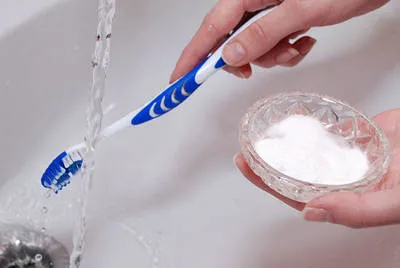
Achieving a brighter smile is a common goal, and many seek affordable and natural solutions. Among these, baking soda and water have gained popularity as a potential teeth whitening method. This article explores the top 5 benefits of using baking soda and water for teeth whitening, providing insights into its effectiveness, usage, and considerations. From gentle stain removal to fresher breath, we’ll delve into the science-backed reasons why this simple remedy might be a good option for you.
The Power of Baking Soda & Water for Teeth Whitening
Baking soda (sodium bicarbonate) has been used for various health and household purposes for centuries. When combined with water, it creates a mild abrasive paste that can help remove surface stains from teeth. This straightforward mixture offers a natural alternative to commercial teeth whitening products, attracting those who prefer a less chemical-laden approach. The effectiveness of this method lies in its ability to target the discolored substances on the enamel, gradually revealing a whiter smile. Furthermore, baking soda can balance the pH levels in your mouth and potentially freshen your breath. The following will show the top 5 benefits in using baking soda & water
Benefit 1 Gentle Stain Removal
One of the primary advantages of using baking soda and water for teeth whitening is its ability to gently remove surface stains. Over time, teeth can accumulate stains from various sources, including coffee, tea, wine, and certain foods. These stains, primarily on the enamel surface, can diminish the brightness of your smile. Baking soda acts as a mild abrasive, helping to lift and remove these stains without causing significant damage to the enamel. This gentle action makes it suitable for those with sensitive teeth, providing a less harsh alternative to some commercial whitening treatments. The mild abrasion effectively removes the surface stains, leaving your teeth looking brighter and cleaner.
Understanding Surface Stains

Surface stains, also known as extrinsic stains, are those that affect the outer layer of the tooth, the enamel. These stains are often caused by the pigments in foods and drinks, as well as tobacco use. These pigments, known as chromogens, adhere to the enamel surface, causing discoloration. Unlike intrinsic stains, which occur within the tooth’s structure, surface stains are easier to address with methods like baking soda and water. This makes the mixture a suitable option for those looking to brighten their teeth without undergoing more aggressive treatments.
How Baking Soda Works
Baking soda’s efficacy in removing surface stains stems from its slightly abrasive nature. The tiny particles in baking soda gently scrub the enamel surface, dislodging stain-causing particles. When mixed with water, baking soda forms a paste that is just abrasive enough to lift these stains without causing significant wear on the enamel. This mechanical action is crucial for removing the accumulated discoloration. This is why it’s important to brush with gentle pressure, to protect your enamel and maintain overall oral health. The process is a gradual one, and regular use can lead to noticeable improvements in the brightness of your teeth.
Benefit 2 Natural and Affordable
In a world of expensive cosmetic treatments, the natural and affordable nature of baking soda and water presents a significant advantage. Unlike many commercial teeth whitening products that can be costly, baking soda is readily available and inexpensive. This makes it an accessible option for anyone looking to improve the appearance of their smile without breaking the bank. Furthermore, using baking soda eliminates the need for harsh chemicals often found in commercial products. For those seeking a more natural and cost-effective solution, baking soda offers a practical and budget-friendly alternative.
Cost-Effectiveness Compared to Alternatives

Compared to professional teeth whitening treatments or over-the-counter whitening kits, baking soda is exceptionally cost-effective. Professional treatments can range from hundreds to thousands of dollars, while whitening kits can also be quite expensive. Baking soda, on the other hand, is a household staple that typically costs only a few dollars. This significant difference in cost makes baking soda an attractive option for those on a budget. While the results may be gradual, the financial savings are undeniable, making it a practical choice for long-term teeth whitening maintenance.
Natural Ingredients and Safety
Baking soda is a naturally occurring substance, and when used in moderation, it is generally considered safe. Unlike some commercial whitening products that may contain harsh chemicals like hydrogen peroxide, baking soda provides a gentler approach. This is especially beneficial for individuals with sensitive teeth or gums. While the safety of baking soda is well-established, it is essential to use it correctly. Overuse or excessive force while brushing can potentially damage the enamel. Proper usage, combined with its natural composition, makes baking soda a safer alternative for many individuals.
Benefit 3 Balances Oral pH
Maintaining a balanced pH level in the mouth is critical for overall oral health. The pH scale measures acidity and alkalinity, with a neutral pH of 7. A healthy mouth typically maintains a slightly alkaline pH, which helps protect against tooth decay and gum disease. Baking soda, being mildly alkaline, can help neutralize acids in the mouth. This helps to create an environment less favorable for the growth of bacteria that cause cavities and other oral health problems. Regular use of baking soda can contribute to a healthier oral environment, thereby promoting overall oral well-being.
The Role of pH in Oral Health

The pH level in your mouth plays a vital role in maintaining the health of your teeth and gums. When the mouth becomes too acidic (below a pH of 5.5), the enamel begins to demineralize, making teeth more susceptible to decay. This acidic environment is often caused by the consumption of sugary foods and drinks, which feed bacteria that produce acid. A balanced pH level helps to neutralize these acids, protecting the enamel and promoting healthy teeth. Maintaining a slightly alkaline environment is therefore crucial for preventing tooth decay and other oral health issues.
Baking Soda’s Impact on pH
Baking soda’s alkaline nature helps to counteract the acidity in the mouth. When baking soda comes into contact with acids, it neutralizes them, raising the pH level. This action reduces the risk of enamel erosion and helps create a more favorable environment for oral health. By using baking soda and water, you can help maintain a balanced pH, which can contribute to preventing tooth decay and gum disease. This protective effect is one of the less talked about but equally beneficial aspects of using baking soda.
Benefit 4 Mild Abrasive Action
The mild abrasive action of baking soda, as mentioned earlier, is another key benefit. The small particles in baking soda gently scrub the enamel surface, removing surface stains and plaque. This abrasive quality is effective in polishing the teeth, which contributes to a brighter and smoother appearance. However, it is crucial to use a soft toothbrush and gentle brushing techniques to avoid over-abrasion, which can damage the enamel over time. When used correctly, the mild abrasive action can be a valuable tool in maintaining a clean and healthy smile.
The Science Behind Abrasives

Abrasives in toothpaste and other dental products work by physically removing stains and debris from the tooth’s surface. These abrasives are designed to be effective enough to remove stains but gentle enough not to damage the enamel. Baking soda acts similarly. It provides a mild abrasive action, helping to polish the teeth and remove stains. This mechanical action is essential for achieving a brighter smile and is a fundamental aspect of dental hygiene. The key is to balance effectiveness with safety, and using baking soda correctly allows for a successful outcome.
How Baking Soda Helps
Baking soda’s role as a mild abrasive helps in several ways. Firstly, it removes surface stains caused by food, drinks, and tobacco. Secondly, it helps to remove plaque, which is a sticky film of bacteria that can lead to tooth decay and gum disease. Regular use of baking soda can contribute to a cleaner mouth and a reduction in the risk of these dental problems. The combined effect of stain removal and plaque reduction leads to a healthier and more aesthetically pleasing smile.
Benefit 5 Fresher Breath
Bad breath, or halitosis, is often caused by bacteria in the mouth. Baking soda possesses antibacterial properties that can help eliminate these odor-causing bacteria. By using baking soda and water, you can not only work towards whitening your teeth but also improve your breath. This dual benefit makes it a practical addition to your oral hygiene routine. The ability to freshen breath adds another layer of value to this simple yet effective method.
Baking Soda’s Antibacterial Properties

Baking soda creates an environment that is less favorable for the growth of bacteria. It helps to neutralize acids and disrupts the bacteria’s ability to thrive. This antibacterial action contributes to reducing the number of bacteria in the mouth that cause bad breath. By controlling the bacterial population, baking soda can help improve the overall freshness of your breath. This makes it a simple and effective solution for those struggling with halitosis.
Eliminating Odor-Causing Bacteria
The bacteria that cause bad breath release volatile sulfur compounds (VSCs). Baking soda helps to eliminate these compounds by neutralizing the acids that support their production. This neutralization effect results in fresher breath. Regular use of baking soda can disrupt the cycle of odor production, leading to a noticeable improvement in breath quality. This is why baking soda is often found as an ingredient in mouthwashes and other oral hygiene products.
Potential Drawbacks and Considerations
While baking soda and water offer several benefits for teeth whitening and oral hygiene, it’s crucial to be aware of potential drawbacks and use it responsibly. Overuse or improper brushing techniques can lead to enamel erosion and increased tooth sensitivity. Consulting with your dentist before incorporating baking soda into your routine is always a good idea, especially if you have pre-existing dental conditions. Proper usage ensures that you can enjoy the benefits while minimizing potential risks.
Proper Usage Techniques

To use baking soda effectively, mix a small amount (about a teaspoon) with enough water to form a paste. Apply this paste to your toothbrush and brush your teeth gently for about two minutes. Be sure to brush all surfaces of your teeth thoroughly. Rinse your mouth with water afterward. It’s best to use a soft-bristled toothbrush and avoid applying excessive pressure. This ensures gentle abrasion and prevents damage to the enamel. If you experience any increased sensitivity or discomfort, discontinue use and consult your dentist.
Frequency and Application
It is not recommended to use baking soda for teeth whitening every day. The frequency of use should be limited to a few times a week, ideally no more than two or three times. Overuse can lead to enamel erosion and increased tooth sensitivity. It’s essential to alternate between using baking soda and your regular toothpaste to ensure a balanced approach to oral hygiene. This will help maximize the benefits while minimizing any potential risks.
Avoiding Over-Brushing
Over-brushing, regardless of the toothpaste used, can damage the enamel. Always use a soft-bristled toothbrush and apply gentle pressure while brushing. Brushing too hard or frequently can wear down the enamel, leading to sensitivity and increasing the risk of cavities. Be mindful of your brushing technique and take your time. The goal is to clean your teeth effectively without causing any harm. If you notice any signs of enamel wear, such as increased sensitivity, reduce the frequency of brushing with baking soda.
Alternative Teeth Whitening Methods
While baking soda and water can be effective, other teeth whitening methods are available. These include over-the-counter whitening strips, whitening toothpastes, and professional treatments performed by a dentist. Each method has its pros and cons, and the best choice depends on your individual needs and preferences. Consulting your dentist can help you determine the most suitable approach for your specific situation. For those seeking professional results, in-office whitening treatments can provide dramatic improvements quickly. Over-the-counter options offer convenience, while other natural alternatives, such as oil pulling, have gained popularity. Combining methods, when appropriate, may give the best results.
In conclusion, baking soda and water offer a simple, affordable, and effective method for teeth whitening. Its ability to remove surface stains, balance oral pH, and freshen breath makes it a valuable addition to your oral hygiene routine. However, it’s essential to use it correctly and in moderation to avoid potential drawbacks. By understanding the benefits and limitations, you can harness the power of this natural remedy to achieve a brighter, healthier smile. Always consult your dentist for personalized advice and ensure your overall oral health.