Achieving a brighter, whiter smile is a common goal, and many people turn to natural remedies to avoid expensive professional treatments or harsh chemicals. Among the most popular DIY teeth whitening methods is the combination of baking soda and lemon. This approach leverages the abrasive properties of baking soda and the citric acid in lemon to potentially remove stains and brighten teeth. However, it’s crucial to understand how this combination works, its potential risks, and how to use it safely to ensure you achieve your desired results without harming your dental health. Let’s explore the magic of baking soda and lemon for teeth whitening.
The Magic of Baking Soda and Lemon for Teeth Whitening
The appeal of using baking soda and lemon for teeth whitening lies in their accessibility and low cost. These ingredients are readily available in most households, making them an attractive alternative to commercial whitening products. The core idea is that baking soda acts as a gentle abrasive, helping to scrub away surface stains, while lemon juice, being acidic, can contribute to stain removal and potentially lighten the enamel. It’s a natural approach that appeals to those seeking chemical-free solutions, offering a sense of control over their oral health regimen. However, it’s important to approach this method with a clear understanding of the science behind it and the potential impact on your teeth.
Understanding the Science Behind It
To understand how baking soda and lemon work, it’s essential to delve into the science behind each ingredient and their combined effects on teeth. Both substances have unique properties that contribute to the whitening process, but they also come with potential drawbacks. The effectiveness of this method depends on a delicate balance, and it’s crucial to be informed about the underlying mechanisms to make an informed decision about its use.
Baking Soda’s Role in Teeth Whitening

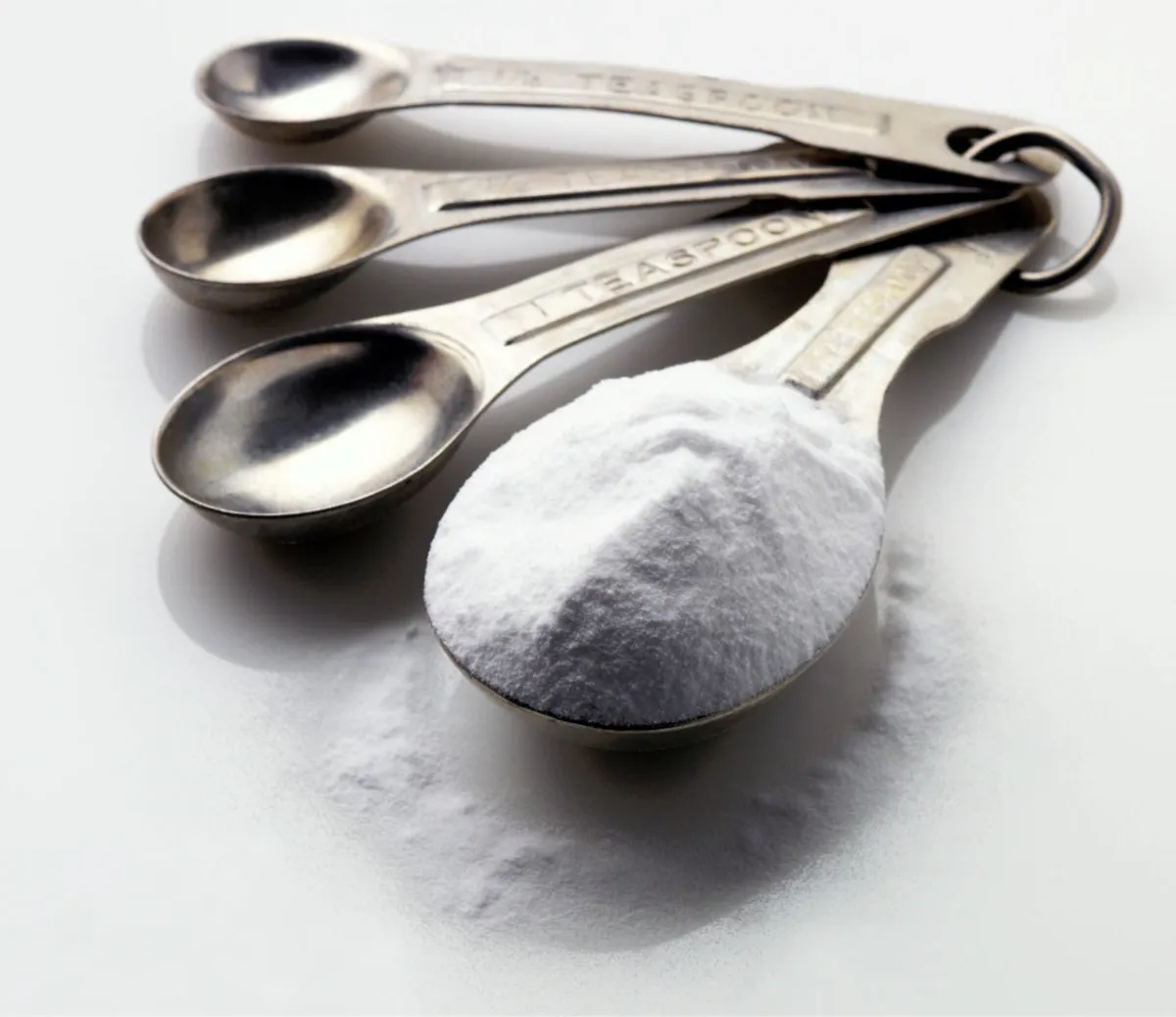
Baking soda, or sodium bicarbonate, is a mild abrasive. Its gritty texture helps to physically scrub away surface stains from teeth. These stains are often caused by foods, drinks (like coffee, tea, and red wine), and smoking. The abrasive action of baking soda can dislodge these particles, making teeth appear brighter. Additionally, baking soda has mild alkaline properties, which can neutralize acids in the mouth, helping to create a less acidic environment that is less conducive to stain buildup. It’s important to remember that while effective for surface stains, baking soda doesn’t alter the natural color of the teeth or penetrate deep-seated stains within the enamel.
Lemon’s Contribution to Whitening
Lemon juice contains citric acid, a natural bleaching agent. Citric acid can help break down stains and has the potential to lighten the enamel. However, the acidity of lemon juice is also its biggest drawback. Prolonged or frequent exposure to citric acid can erode the enamel, leading to increased tooth sensitivity and a higher risk of cavities. The use of lemon juice, therefore, requires careful consideration and moderation to avoid causing more harm than good. It’s a balancing act between the whitening benefits and the potential for dental damage.
The Potential Risks and Side Effects
While baking soda and lemon can offer a temporary whitening effect, it is crucial to be aware of the potential risks and side effects associated with their use. These risks are primarily related to the abrasive and acidic nature of the ingredients, which can negatively impact tooth enamel and overall oral health. Understanding these risks is essential for making informed decisions about teeth whitening and protecting your teeth.
Tooth Sensitivity and Enamel Erosion

One of the primary risks of using baking soda and lemon for teeth whitening is the potential for enamel erosion. Enamel is the hard, protective outer layer of your teeth, and it is susceptible to damage from both abrasion and acid. The abrasive action of baking soda can wear down enamel over time, making teeth more porous and susceptible to staining. Lemon juice, being highly acidic, can also erode enamel, softening it and making it more vulnerable to wear. As enamel erodes, the underlying dentin becomes exposed, which contains microscopic tubules that lead to the tooth’s nerve, resulting in increased sensitivity to hot, cold, sweet, or acidic foods and drinks.
Gum Irritation and Other Concerns
Besides enamel erosion, the use of baking soda and lemon can lead to gum irritation. The acidity of lemon juice can irritate the soft tissues of the gums, causing inflammation, redness, and even bleeding. The abrasive nature of baking soda can exacerbate this irritation, especially if used aggressively. Overuse of this method can also disrupt the natural balance of bacteria in the mouth, potentially leading to other oral health issues. Therefore, it’s crucial to use this method cautiously and pay attention to how your gums and teeth respond to the treatment.
How to Safely Use Baking Soda and Lemon
If you decide to try baking soda and lemon for teeth whitening, it’s essential to do so safely and responsibly to minimize potential risks. Proper preparation, application techniques, and frequency of use are critical for protecting your teeth and gums. Here’s a guide on how to approach this method with caution and care.
The Right Recipe and Mixing Instructions

The key to minimizing risks is using the correct proportions of baking soda and lemon juice. Mix one teaspoon of baking soda with just enough lemon juice to form a paste. The paste should be thick enough to adhere to your teeth but not too runny. Using too much lemon juice increases the acidity, heightening the risk of enamel erosion. Always use fresh lemon juice, as bottled lemon juice may contain added preservatives. Ensure the paste is mixed thoroughly to avoid uneven distribution, which could cause inconsistent whitening and increased abrasion in some areas.
Application Techniques and Tips
To apply the paste, use a soft-bristled toothbrush. Gently brush your teeth using circular motions, ensuring all surfaces are covered. Avoid applying excessive pressure, as this can worsen abrasion. Brush for no more than two minutes. After brushing, rinse your mouth thoroughly with water to remove all traces of the paste. If you experience any tingling or sensitivity, stop immediately. It’s also recommended to avoid brushing your teeth directly after consuming acidic foods or drinks, as the enamel is temporarily softened and more vulnerable to erosion.
Frequency and Duration of Use
Due to the potential risks, limit the use of baking soda and lemon to once a week, or even less frequently. Overuse can significantly increase the chances of enamel erosion and tooth sensitivity. Always monitor your teeth for any signs of damage or increased sensitivity. If you notice any adverse effects, discontinue use immediately and consult your dentist. It is crucial to prioritize the health of your teeth over the desire for whiter teeth, and this method should only be used as a supplemental treatment and not as a primary means of teeth whitening.
Alternatives to Baking Soda and Lemon

If you’re concerned about the risks associated with baking soda and lemon for teeth whitening, there are alternative methods to achieve a brighter smile. These alternatives offer a safer and often more effective approach, allowing you to enhance your teeth’s appearance without compromising your oral health.
Professional Teeth Whitening Options
Professional teeth whitening is one of the most effective and safest methods for achieving a significantly whiter smile. Dentists use high-concentration bleaching agents, such as hydrogen peroxide, to lighten the enamel. These treatments are carefully administered and monitored to minimize risks such as tooth sensitivity. Professional whitening can be done in the dental office, offering immediate results, or with custom-fitted trays for at-home use, allowing for a gradual whitening process. Your dentist will assess your teeth and recommend the most suitable option, taking into account your oral health and desired results.
Other Natural Teeth Whitening Methods
Several other natural methods can help brighten your teeth without the risks associated with lemon. Oil pulling with coconut oil involves swishing the oil in your mouth for about 15-20 minutes to remove bacteria and reduce plaque. Activated charcoal, when used cautiously, can help remove surface stains. However, it’s important to use a soft toothbrush and avoid excessive pressure, as charcoal is abrasive. Another option is using over-the-counter whitening toothpaste, which contains mild abrasives and whitening agents to remove surface stains. Always consult with your dentist before trying any new whitening method to ensure it’s suitable for your teeth.
Maintaining Your Bright Smile

Once you’ve achieved a brighter smile, it’s essential to maintain it through consistent oral hygiene practices and lifestyle choices. This will help prevent stains from returning and keep your teeth healthy and radiant. Regular dental check-ups and cleanings also play a crucial role in maintaining your oral health and preserving your smile’s brightness.
Oral Hygiene Practices for a Healthy Smile
The foundation of a bright smile is a consistent oral hygiene routine. Brush your teeth twice a day for two minutes each time, using fluoride toothpaste. Floss daily to remove plaque and food particles from between your teeth, where your toothbrush can’t reach. Use mouthwash to further reduce bacteria and freshen your breath. Regular dental check-ups and professional cleanings are essential for removing plaque and tartar, which can cause stains and other dental problems. Your dentist can also identify any potential issues early, preventing them from becoming more serious.
Foods and Drinks to Avoid for Stain Prevention
Certain foods and drinks can stain your teeth, diminishing their brightness. To maintain a white smile, limit your consumption of these stain-causing items. Coffee, tea, and red wine are notorious for staining teeth. Dark-colored sodas and juices can also contribute to discoloration. Foods like berries, soy sauce, and curries can also stain teeth. Smoking and chewing tobacco are significant contributors to tooth staining and should be avoided. Drinking plenty of water can help rinse away food particles and prevent stains from setting in.
In conclusion, while the combination of baking soda and lemon may seem like a quick and accessible way to whiten your teeth, it’s crucial to approach this method with caution and a thorough understanding of its potential risks. The abrasive nature of baking soda and the acidity of lemon can damage your enamel, leading to increased sensitivity and other dental issues. Safer and more effective alternatives, such as professional teeth whitening and consistent oral hygiene practices, are available. Prioritize your dental health by consulting your dentist for personalized advice and adopting a comprehensive approach to maintaining a bright and healthy smile. Remember, a healthy smile is a beautiful smile.