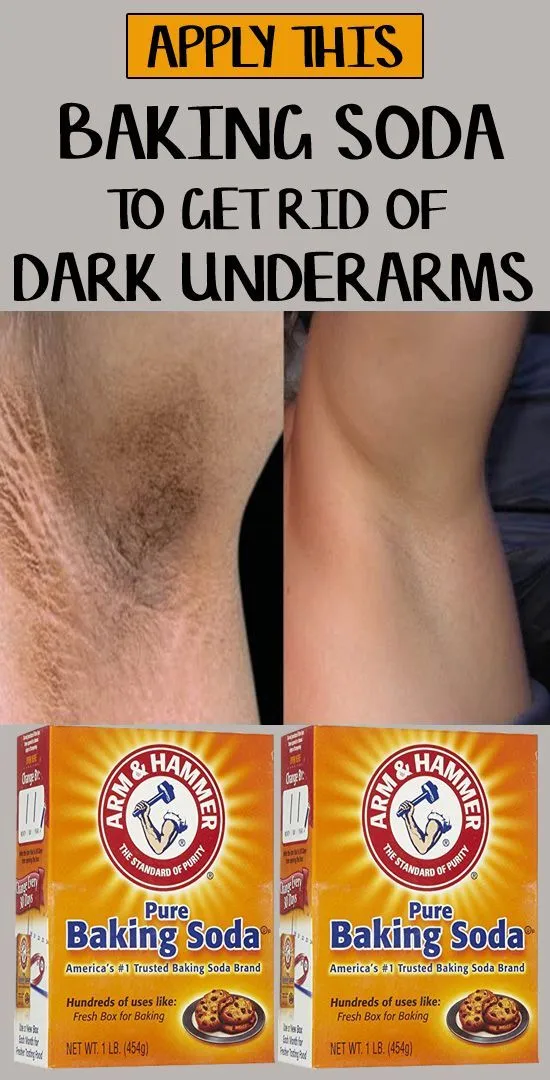
Dealing with dark underarms can be a source of self-consciousness for many. While various factors contribute to underarm discoloration, there’s a natural and accessible solution that’s been gaining popularity baking soda and apple cider vinegar (ACV). This guide explores how these two ingredients can work wonders for underarm whitening, providing you with secrets to achieving lighter, brighter skin. We’ll delve into the science behind their effectiveness, offer a step-by-step recipe, and provide valuable tips for achieving and maintaining your desired results. Get ready to uncover the secrets to radiant underarms, naturally!
Why Baking Soda and Apple Cider Vinegar Works
The combination of baking soda and apple cider vinegar is a powerful one for underarm whitening because they address the underlying causes of skin discoloration. Baking soda acts as a gentle exfoliant, removing dead skin cells that can contribute to a darker appearance. ACV, on the other hand, contains acetic acid, which helps to balance the skin’s pH levels and can lighten hyperpigmentation. Together, they provide a dual-action approach: exfoliating and lightening, making them a potent natural remedy for underarm care.
The Science Behind Skin Lightening
Skin lightening is a process that involves reducing the production of melanin, the pigment responsible for skin color. Both baking soda and apple cider vinegar contribute to this process in different ways. Baking soda aids in removing dead skin cells, allowing for a smoother and brighter skin surface. ACV helps regulate the skin’s pH level, which is crucial for healthy skin function and can indirectly influence melanin production. Understanding this science is key to appreciating how these natural ingredients can improve the appearance of your underarms.
Understanding Hyperpigmentation

Hyperpigmentation, the darkening of the skin, is a common condition that can affect the underarms. It’s caused by an overproduction of melanin, often triggered by factors like friction, irritation from shaving or deodorants, genetics, or certain medical conditions. Recognizing the causes of hyperpigmentation helps you understand how to address the problem effectively. The exfoliating and lightening properties of baking soda and ACV directly combat hyperpigmentation by targeting the darkened skin cells and promoting skin cell turnover.
How Baking Soda Helps
Baking soda’s role in underarm whitening is primarily due to its gentle exfoliating properties. It helps remove dead skin cells, dirt, and oil buildup that can contribute to the appearance of dark underarms. By gently scrubbing away the top layer of skin, baking soda promotes cell turnover, revealing the brighter, healthier skin underneath. This is a crucial step in the whitening process, as it allows the ACV to penetrate more effectively and also improves the overall texture of the skin.
Baking Soda’s Exfoliating Properties
The fine, grainy texture of baking soda makes it an excellent exfoliant. When mixed with water or ACV, it creates a paste that can be massaged onto the skin to gently remove dead cells and impurities. This process helps unclog pores, reduce ingrown hairs, and improve skin texture. Regular exfoliation with baking soda can prevent the buildup of dead skin cells, which is often a cause of underarm discoloration. It’s important to use baking soda gently to avoid irritating the skin, and a patch test is always recommended before full application.
Baking Soda and pH Balance

Baking soda is slightly alkaline, which can help balance the skin’s pH. The skin’s natural pH is slightly acidic, and maintaining this balance is essential for skin health and preventing irritation. While baking soda itself can shift the pH temporarily, it prepares the skin for the ACV, which restores the natural acidity. This balance is critical for maintaining the skin’s protective barrier and promoting effective skin cell function. The combination of baking soda and ACV creates an environment that supports healthy skin and whitening effects.
How Apple Cider Vinegar (ACV) Contributes
Apple cider vinegar (ACV) is another key ingredient in the underarm whitening process. It contains acetic acid, which has several beneficial effects on the skin. It acts as a gentle exfoliant and helps to balance the skin’s pH levels. Furthermore, ACV’s properties can help reduce inflammation and irritation, which can exacerbate skin discoloration. By incorporating ACV, you’re not only targeting the dark spots but also promoting overall skin health and vitality. ACV helps the skin to maintain its natural protective barrier, crucial for preventing future darkening.
ACV’s Acetic Acid and Skin Benefits
The acetic acid in apple cider vinegar is a natural alpha-hydroxy acid (AHA) that offers multiple skin benefits. It helps to gently exfoliate the skin, remove dead cells, and promote cell turnover. This process reveals brighter skin and can reduce the appearance of dark spots. Furthermore, acetic acid has antibacterial properties, which can help prevent infections and reduce the inflammation that can lead to hyperpigmentation. The acidity of ACV also helps to balance the skin’s pH, creating an optimal environment for skin health.
ACV’s Role in Exfoliation

ACV also contributes to the exfoliation process, albeit in a milder way than baking soda. The acetic acid helps to loosen dead skin cells, making them easier to remove. This gentle exfoliation can lead to a smoother, brighter skin appearance. It helps reduce the accumulation of dead skin cells and promotes a more even skin tone. ACV ensures that the baking soda’s exfoliating effects are complemented, leading to a more comprehensive and effective treatment for underarm whitening.
The Synergy of Baking Soda and ACV
The true power of this treatment lies in the synergy between baking soda and ACV. Baking soda exfoliates to remove dead skin cells, while ACV addresses the skin’s pH and provides additional exfoliating and antibacterial benefits. This combined action creates a multi-faceted approach to underarm whitening, attacking the problem from multiple angles. The result is a more effective and comprehensive treatment that provides visible results faster than either ingredient could achieve alone. The pairing creates a balanced treatment regimen that promotes overall skin health.
Creating Your Underarm Whitening Solution
Making your own underarm whitening solution is simple and allows you to control the ingredients and strength of the treatment. This section provides a straightforward recipe that you can easily follow at home. By making your own solution, you can ensure that you’re using natural ingredients and avoid potentially harmful chemicals. The recipe involves a few simple steps, and the ingredients are readily available. This method provides a cost-effective and customizable solution to help you achieve your desired results.
Step-by-Step Baking Soda and ACV Whitening Recipe

Here’s a simple recipe to create your own underarm whitening solution.
Ingredients You’ll Need
- 1 tablespoon baking soda
- 1 tablespoon apple cider vinegar (ACV)
- Small bowl or container
- Water (optional, for rinsing)
Mixing and Application
In a small bowl, mix the baking soda and ACV. The mixture will fizz slightly. Apply the mixture to your clean, dry underarms. Gently massage the mixture onto your skin using circular motions for about 1-2 minutes. Allow the mixture to sit for 5-10 minutes. Rinse thoroughly with water and pat your underarms dry. Follow up with a light moisturizer if desired.
Application Frequency and Duration

Start by applying the mixture 1-2 times per week to assess your skin’s sensitivity. If you don’t experience any irritation, you can gradually increase the frequency to 2-3 times per week. Do not exceed these recommendations to avoid over-exfoliation. Consistency is key, but moderation ensures the best results without causing damage. Observe your skin’s reaction and adjust the frequency based on how your skin responds.
Important Considerations and Precautions
While baking soda and ACV are generally safe for use, there are important precautions to consider. Understanding these factors will help you use the ingredients safely and effectively. It’s crucial to know how to avoid potential side effects and ensure that the treatment suits your skin type. The goal is to achieve lighter underarms without compromising your skin’s health, so being informed is paramount.
Patch Testing Before Application
Always perform a patch test before applying the mixture to your entire underarm area. Apply a small amount of the mixture to a discreet area of your skin, such as behind your ear or on your inner elbow. Wait for 24 hours to check for any signs of irritation, redness, or allergic reaction. If no adverse reactions occur, you can proceed with the full application. This step helps to minimize the risk of unexpected reactions and ensures the treatment is safe for your skin.
Potential Side Effects and How to Manage Them

While rare, some side effects may occur. These include mild redness, irritation, or a burning sensation. If you experience any of these, rinse the area thoroughly with water and discontinue use. You may also want to dilute the ACV or reduce the frequency of use. Moisturizing the area with a gentle, fragrance-free lotion can help soothe the skin. If symptoms persist or worsen, consult a dermatologist.
Other Effective Underarm Whitening Methods
While baking soda and ACV are effective, other methods can further enhance your underarm whitening efforts. Combining treatments can yield even better results and allow for a more comprehensive approach to addressing hyperpigmentation. Consider incorporating these strategies into your routine to achieve the best possible outcome. Tailoring your approach to your specific skin needs will ensure optimal effectiveness and sustained results.
Natural Remedies to Consider
Besides baking soda and ACV, other natural remedies can contribute to underarm whitening. Lemon juice, known for its bleaching properties, can be applied cautiously. Potato juice, also rich in natural bleaching agents, can lighten skin over time. Turmeric, with its anti-inflammatory and antioxidant benefits, can be mixed into a paste. Combining these with your routine can provide a natural, holistic approach.
Professional Treatments for Dark Underarms

For those seeking more aggressive results, professional treatments offer effective solutions. Chemical peels, using various acids to exfoliate and lighten skin, can be done by dermatologists. Laser treatments, specifically targeting melanin, offer a more permanent solution. Microdermabrasion, another exfoliation technique, helps remove the top layer of dead skin. Always consult a dermatologist to determine the best and safest treatment option for your skin type and condition.
Maintaining Results and Preventing Darkening
Once you achieve your desired results, maintaining them is crucial. Preventing future darkening requires a consistent skincare routine and lifestyle adjustments. Incorporating these habits will help ensure long-lasting results and keep your underarms looking bright and healthy. Staying proactive will ensure your efforts are not in vain and you enjoy your results for the long term.
Post-Treatment Skincare Routine
Follow a consistent skincare routine after treatment. Regularly moisturize your underarms to keep the skin hydrated. Use a gentle, fragrance-free deodorant to avoid irritation. Avoid harsh soaps or scrubs. Regular exfoliation, once or twice a week, with a milder agent such as a washcloth, helps maintain the results. These simple steps are key to preserving your lighter, brighter underarms.
Lifestyle Changes for Lighter Underarms
Lifestyle changes can significantly impact your underarm’s appearance. Choose loose-fitting clothing to reduce friction. Shave or wax your underarms properly, ensuring you use clean tools and apply soothing products afterward. Avoid harsh deodorants that contain alcohol or other irritating ingredients. Maintaining a healthy weight can reduce skin friction, which may contribute to darkening. These easy changes play a vital role in keeping your underarms light and healthy.
In conclusion, the combination of baking soda and apple cider vinegar offers a powerful, natural approach to underarm whitening. By understanding how these ingredients work, creating a simple recipe, and following safety precautions, you can achieve noticeable results. Remember to be patient, consistent, and mindful of your skin’s reaction. Combining this treatment with additional remedies and lifestyle adjustments will help you maintain your results and enjoy brighter, more confident underarms. Embrace the secrets of baking soda and ACV and reveal your radiant skin!